Life never schedules diarrhea at a convenient time; it often strikes unexpectedly, just when you least expect it, such as before a crucial meeting or the long-awaited vacation. In such situations, the problem can be even more disruptive than usual, but with a few small steps, you can take control to minimize the trouble and return to normal faster.
What Can You Eat During Diarrhea?
When battling diarrhea, your diet plays a key role in the pace of recovery. You may have already heard of the BRAT diet, which stands for bananas, rice, applesauce, and toast. These foods are easy to digest and help soothe the digestive system.
Banana: Bananas are not only easy to digest but also help restore stool firmness due to their pectin content.
Rice: White rice is especially recommended as it also slows bowel movements and absorbs excess moisture.
Applesauce: This sweet treat replenishes electrolytes and is gentle on the stomach.
Toast: Dry toast does not burden the stomach but provides a substantial base for the rest of the day.
The Importance of Fluid Replacement
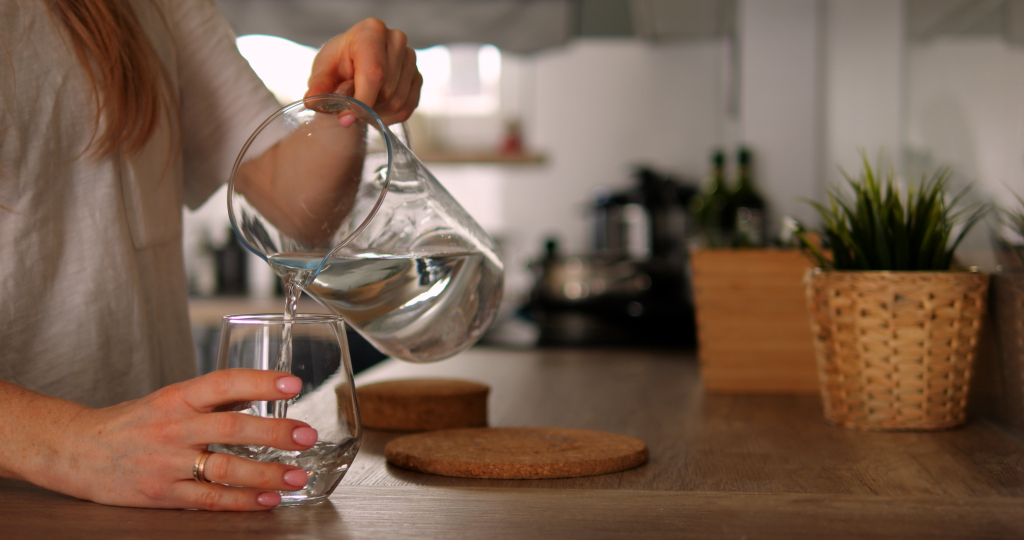
During diarrhea, fluid loss can accelerate dramatically, making adequate fluid intake essential. Besides water, it is advisable to consume electrolytes or isotonic sports drinks that help replace lost minerals.
Soups: Naturally hydrating and easy to consume.
Herbal teas: Chamomile or peppermint tea soothes the digestive system, and ginger tea is also a good choice as it can alleviate stomach discomfort.
How Much and How to Rest?
Rest, often overlooked, can be a critical element for speedy recovery. During diarrhea, the body especially needs calm to devote all energy to healing. If possible, take short naps and try to rest in a pleasant, stress-free environment. This helps your immune system and contributes to faster regeneration.
The Effects of Stress and How to Manage It
Stress is not only psychological boredom but can also trigger somatic symptoms. The digestive system reacts very sensitively to stress, so it is important to at least minimize stress sources in daily life. Breathing exercises, meditation, or even a short walk can help create physical and mental balance. Similarly, yoga has long been a proven stress-relief technique that also positively influences the digestive system.
When to See a Doctor?
Although most diarrhea episodes can be managed at home, there are cases when professional help is unavoidable. If diarrhea does not improve after seven to ten days or if the stool contains blood, be sure to consult your general practitioner. Additional warning signs include severe dehydration, dizziness, or other unusual symptoms.