We all have little habits that seem harmless at first but can actually cause serious emotional burnout. The fast pace of today’s world and the demand for constant multitasking shape behaviors that can negatively impact our emotional and mental well-being over time. Discover how this happens and what you can do about it!
The Trap of Constant Availability
Modern technology lets us connect anytime, but it comes at a cost. Being constantly reachable can cause anxiety, as we feel pressured to respond immediately to every message, email, or notification. Studies show this nonstop readiness raises stress levels, hurts sleep quality, and leads to emotional exhaustion over time.

Sleep Issues and Emotional Stability
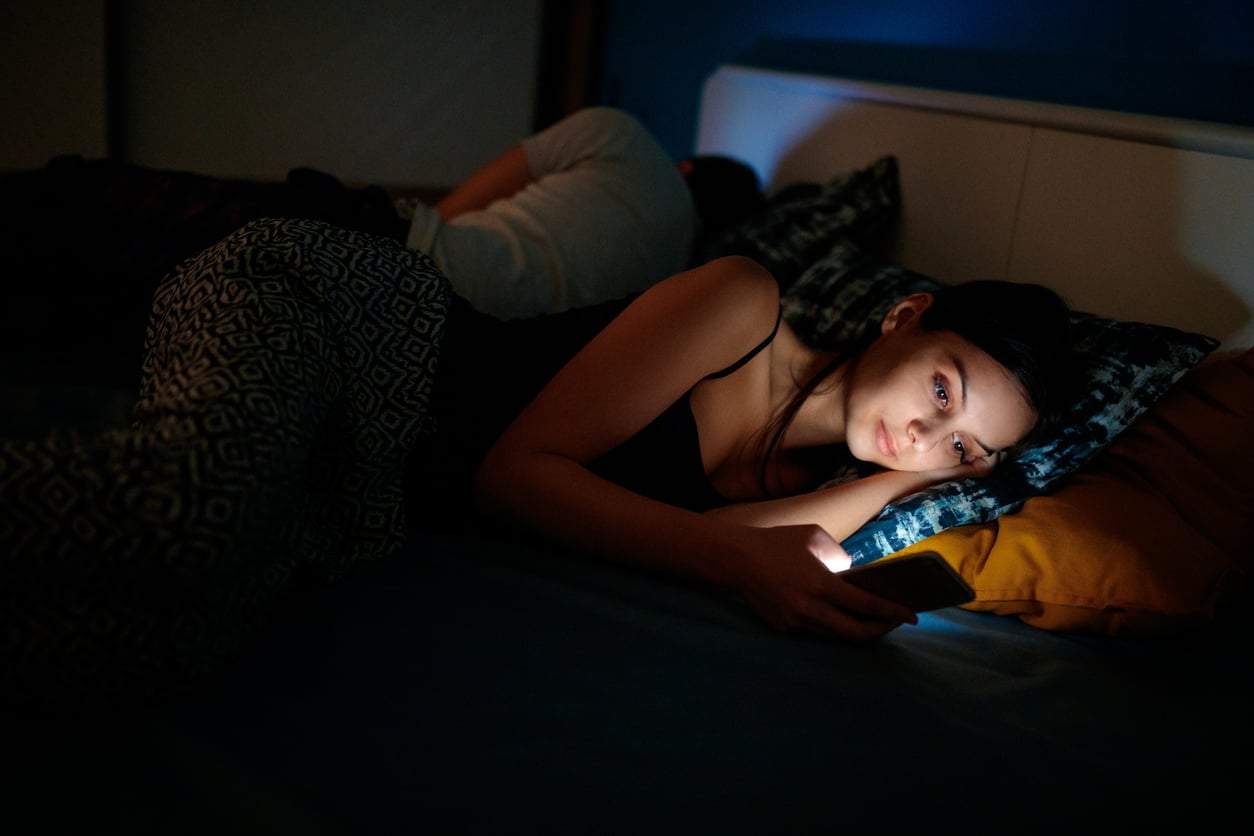
Most of us don’t realize that screen time directly disrupts melatonin production, the hormone that regulates our natural sleep cycle. Lack of sleep can then cause emotional instability, low mood, and trouble concentrating.
Signs of Emotional Exhaustion
We often miss the signs of emotional exhaustion, which creep into our lives slowly and subtly. Watch for lack of motivation, reduced creativity, irritability, difficulty handling daily tasks, or pulling away from social interactions. If you notice these, it’s a good time to rethink your time management and emotional load.

How to Protect Yourself from Emotional Burnout
The most effective way is to consciously rethink and change your habits. Cut down screen time, especially in the evening. Set stricter phone rules like turning off unnecessary notifications or aiming for at least one hour completely offline daily. Also, prioritize good sleep—get enough rest and create a calm environment for nighttime. Regular exercise helps release tension and boosts emotional well-being.
The Role of Mindfulness in Emotional Health
Practicing mindfulness, or staying present, can help you manage emotional exhaustion. Meditation and breathing exercises support stress relief and build emotional resilience. Try mindfulness meditation to improve focus, reduce anxiety, and handle emotions more effectively.