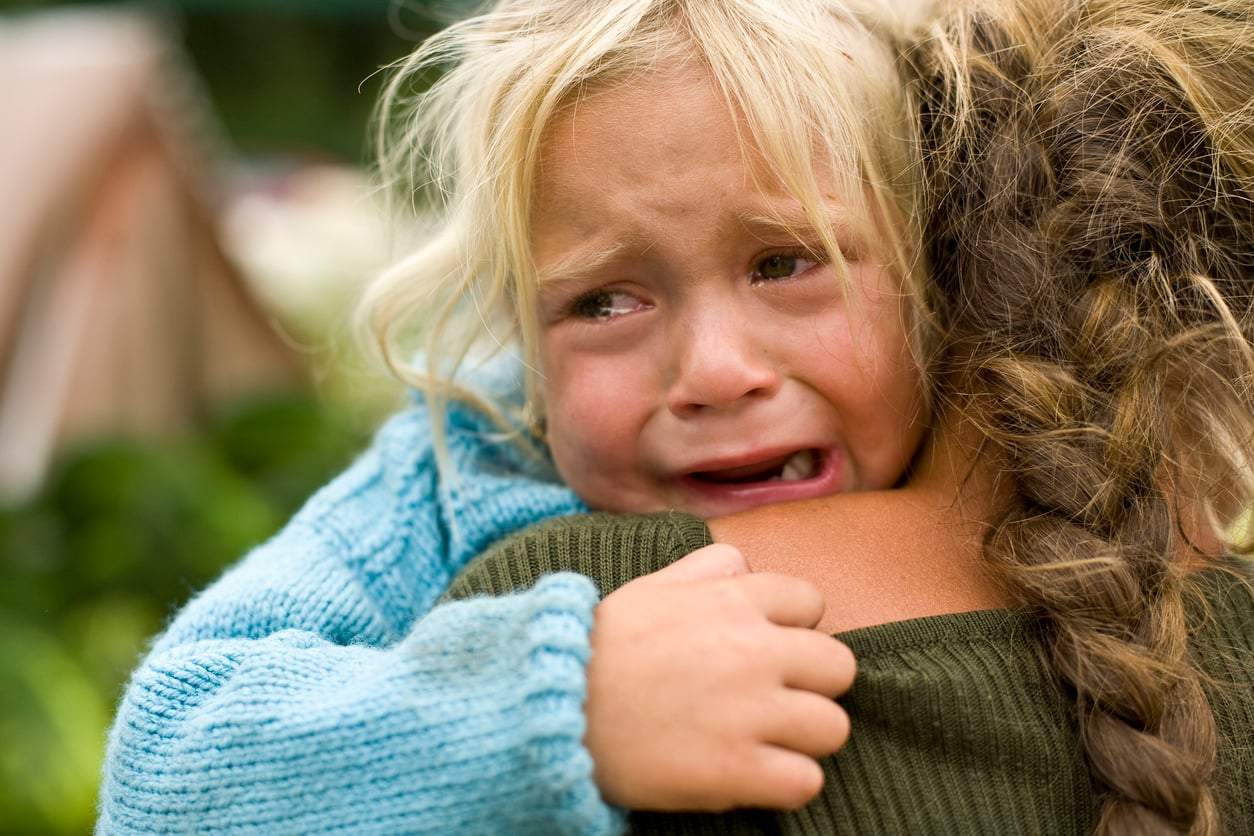
“Declaring ‘we’re done’ with a family member once and for all is a powerful and rare step,” explains Karl Andrew Pillemer, a human development professor at Cornell University, in an interview with the BBC. “It’s different from family quarrels, conflicts, or emotionally distant relationships that still involve some contact.”
Pillemer found that few major studies have explored family alienation. So, he conducted a nationwide survey for his 2020 book Fault Lines: Fractured Families and How to Mend Them. The survey revealed that over one in four Americans reported cutting off at least one relative. Similar research by the UK charity Stand Alone shows this affects one in five families there. In Australia and Canada, academics and therapists describe a “silent epidemic” of family breakdowns.

More and More Are Choosing This Path
Online support groups for adult children who have chosen alienation are booming on social media.
The growing visibility of parent-adult child alienation seems linked to a complex mix of cultural and psychological factors. This trend raises many questions about its impact on individuals and society.
Though research is limited, psychologist Joshua Coleman, author of The Rules of Alienation: Why Adult Children Cut Ties and How to Heal the Conflict, says most “breakups” between parents and adult children are initiated by the child.
Common reasons include past or ongoing abuse—emotional, verbal, physical, or sexual. Divorce is another frequent factor, with consequences ranging from adult children taking sides to new family members like step-siblings or stepparents entering the picture. This can lead to divided financial and emotional resources.
Mental Health Awareness and Individualism Influence Young Adults’ Choices
Experts believe growing awareness of mental health and understanding how toxic or abusive family ties affect well-being also play a role in alienation.
“While family conflicts and the desire to distance oneself aren’t new, accepting alienation as a tool for personal growth, as is common today, is almost certainly a modern development,” says Coleman.
“Deciding who to keep or remove from our lives has become an important strategy.”
Coleman points out that alongside a stronger focus on personal well-being, shifts toward an “individualistic culture” also weigh heavily. This may explain why more people choose to cut off abusive relationships. Partly, this is possible because many depend far less on their families than previous generations did.
“If you don’t need family for support or inheritance, it means your time with them is based more on identity and growth than survival or necessity,” he explains. “Today, nothing binds an adult child to a parent except the genuine desire to stay connected.”