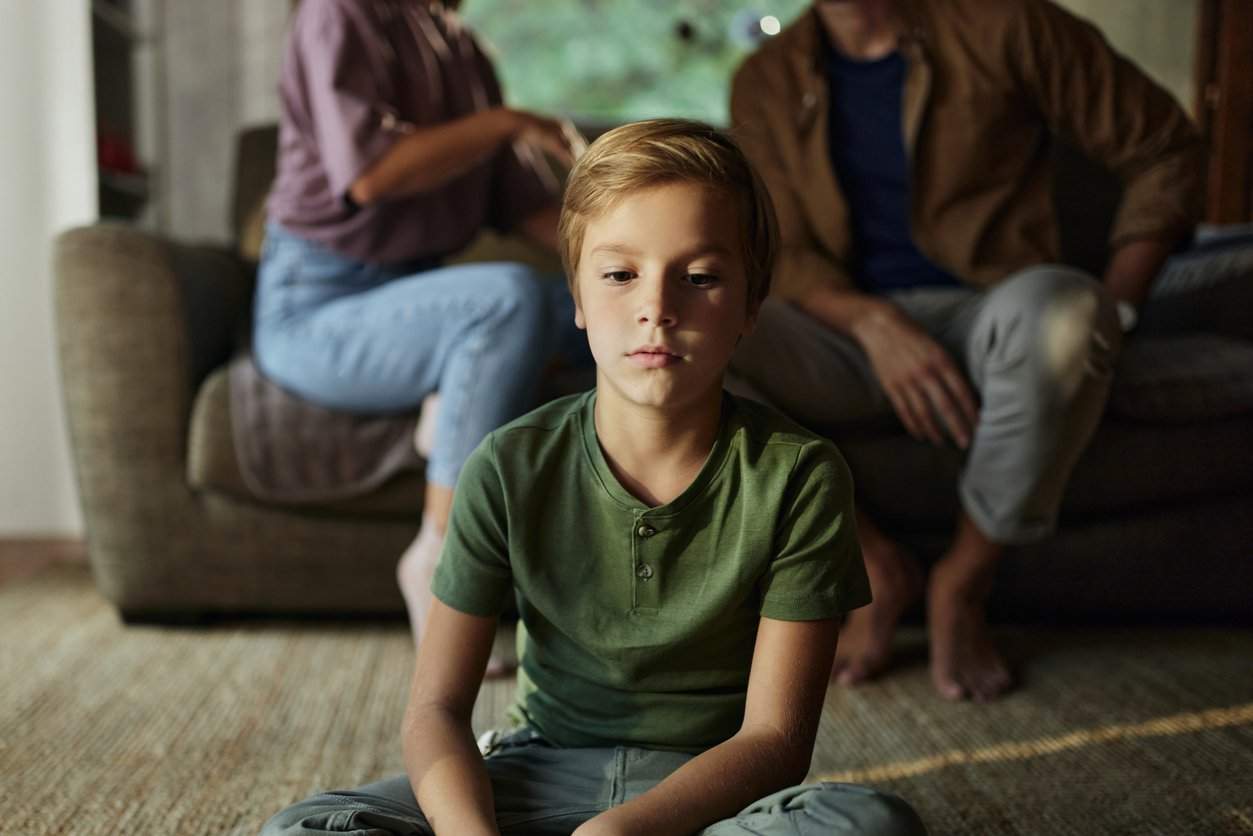
Imagine realizing one day that your child doesn’t have a single friend to play with, chat to, or share school experiences. This worry troubles many parents—and a new study shows it’s a real concern. Lots of kids face social isolation, and as parents, it’s not always easy to spot.
A study by the University of Michigan Health C.S. Mott Children’s Hospital surveyed over 1,000 parents of 6-12-year-olds and found that lacking social connections is surprisingly common. Many kids struggle to make friends, which can impact their social skills development long-term.
Why Is Making Friends Especially Tough Today?
Childhood friendships are key to building confidence, emotional well-being, and social skills. Without them, kids often feel lonely and isolated. So, what’s standing in their way?
The study highlights shyness and perceived or real social awkwardness as top barriers. About 20% of school-age kids find it hard to open up, feeling lonely during crucial social development years. Parents also pointed to unfriendly or exclusionary behavior from other kids (15%). Health issues or disabilities can add to isolation, though fewer parents mentioned this, likely due to smaller numbers affected.
For older kids, existing friend groups and cliques often pose the biggest challenge. As kids grow, social circles get more complex, making it harder to fit in—even within the same class, let alone new clubs or schools. This kind of isolation can affect their social lives well into adulthood.

How Can Parents Help?
Here’s the good news: experts say parents can do a lot to help their kids make friends. In fact, three-quarters of parents are already taking active steps. So, what strategies work best?
Organize Social Events
If your child is shy, they’ll likely feel more comfortable at home than in unfamiliar places. Host casual get-togethers—like afternoon snacks, games, or sports—to help them relax and build confidence.
Shared Activities
Try clubs, sports teams, or arts groups where your child can meet peers with similar interests. Shared hobbies break the ice and make connecting easier. For shy kids, it’s important they join age- and skill-appropriate groups!
Build Social Skills
If your child struggles socially, talk about how to approach others. Practice introductions and starting conversations. Put it into practice by letting them pay for items at the bakery or market, where they can chat with friendly shopkeepers. These simple skills build confidence and support future social success.
Social Media and Online Connections
For older kids, social media can help keep in touch with classmates. Still, it’s crucial they learn to manage their online presence responsibly. Chat with your child about rules to stay safe and avoid awkward situations.
Not every child will be the life of the party (and that’s totally okay). The real goal is for kids to find people they feel comfortable with. They don’t need tons of friends or to be known by everyone—just one or two genuine connections can make all the difference.
It’s also important for parents to be supportive and steady, but avoid solving every problem. Kids need room to make mistakes and learn social skills on their own. If things don’t go well, talk it through to help them process and grow. But stepping in too much rarely helps friendships thrive.
Interestingly, many parents prefer their child’s friends to come from similar backgrounds and upbringings. While understandable, it’s wise not to exclude kids from different backgrounds—especially if your child finds making friends tough. Diverse friendships help children navigate all kinds of social situations later on. Plus, kids often see friendship very differently from adults!
Opening image: Liliana Drew/pexels.com