What if the choices you make in your 40s and 50s are already writing the story of your health at 70? According to a sweeping Harvard University study that followed thousands of participants for nearly three decades, that's exactly what's happening. The habits you build in midlife — not just in old age — are the ones that matter most.
Midlife is the turning point, not just a transition
Many people think of middle age as the "first half" of life — a time when you can still coast on the energy and resilience of your younger years. But the Harvard research tells a very different story.
The lifestyle habits you establish in midlife have a profound and lasting impact on how healthy — and how happy — you'll be in your later years. They influence your risk of serious conditions like cardiovascular disease, type 2 diabetes, and cognitive decline. In short, midlife isn't a waiting room for old age. It's where the real decisions get made.
What you eat in your 40s and 50s matters more than you think
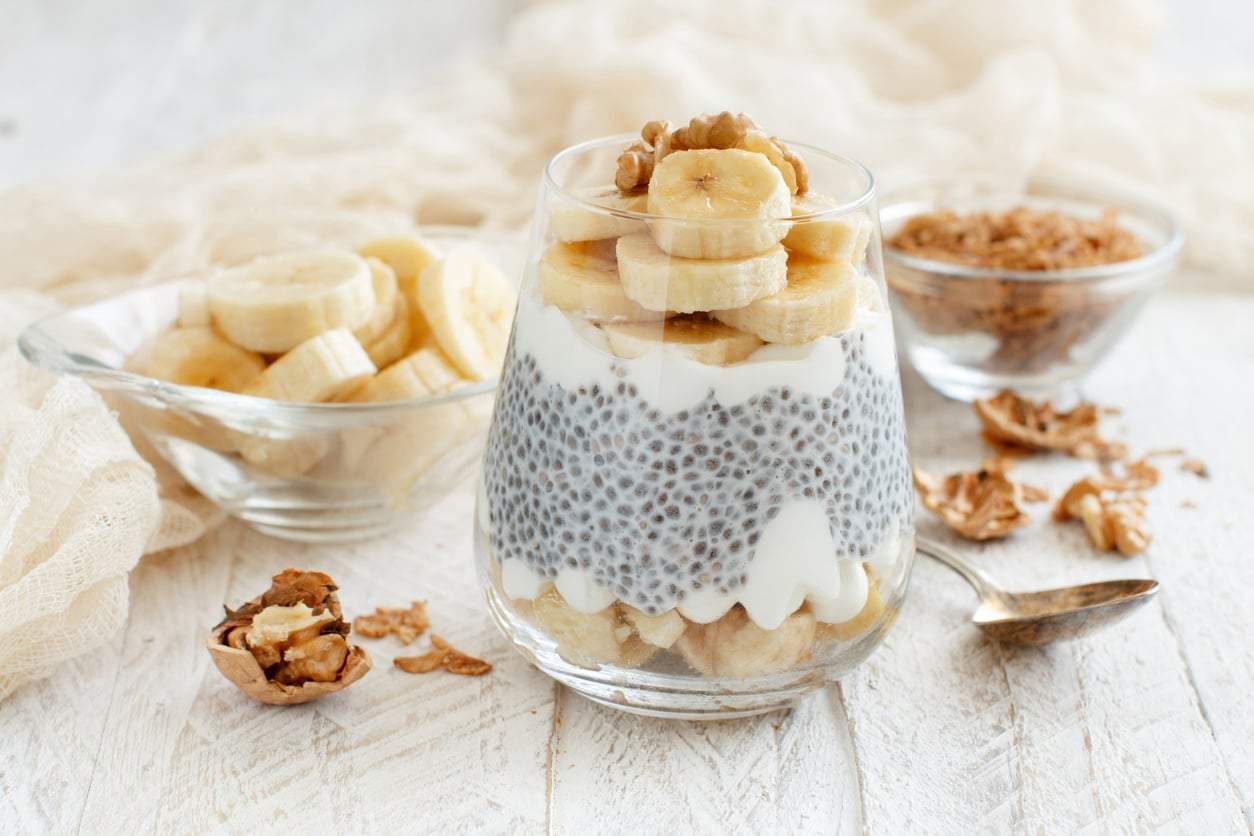
Harvard researchers found that a varied, balanced diet built around plant-based foods can significantly reduce the risk of chronic illness in later life. Foods rich in omega-3 fatty acids, antioxidants, and a wide range of vegetables were especially linked to better long-term outcomes.
On the flip side, the study highlights the importance of cutting back on ultra-processed foods, red meat, and added sugars. Consumed regularly over years, these don't just affect your waistline — they quietly chip away at your long-term health in ways that become visible only decades later.
Movement is medicine — especially now
Regular physical activity does far more than keep your weight in check. It strengthens your heart, improves circulation, reduces stress, and builds the kind of physical resilience that pays dividends well into your 70s and 80s.
The researchers recommend that people in midlife aim for at least five days of moderate exercise per week — think brisk walking, swimming, or cycling. Strength training is equally important: building and maintaining muscle mass in your 40s and 50s is one of the most effective ways to prevent muscle and bone loss as you age.
Even small, consistent efforts add up. You don't need to train like an athlete — you just need to keep moving.
Your social life is part of your health plan
One of the most striking findings from the study is that healthy aging isn't just a physical equation. The quality and frequency of your social connections play a significant role in how well you age — mentally and physically.
People who regularly stayed in touch with friends, maintained close family bonds, and participated actively in their communities were significantly less likely to experience depression and other mental health challenges in later life.
Social support, emotional connection, and a sense of belonging all contribute to overall wellbeing — and that wellbeing, in turn, supports physical health. The two are inseparable.
Mental health deserves the same attention as physical health
The Harvard study makes it clear: caring for your mental health is just as essential as caring for your body. Managing chronic stress, practicing mindfulness or meditation, and seeking psychological support when needed can all make a measurable difference to your long-term health and quality of life.
The researchers also emphasize the value of doing things that genuinely bring you joy — whether that's a creative hobby, time spent in nature, or simply slowing down enough to be present. These aren't luxuries. They're investments.
Nearly 30 years of data point to the same conclusion: the habits you build in midlife are the foundation of how well you'll live in old age. Eating mindfully, staying active, nurturing your relationships, and protecting your mental health — none of these require a dramatic overhaul. But together, they add up to something extraordinary. Small, consistent choices made today are what shape a healthier, fuller life tomorrow.