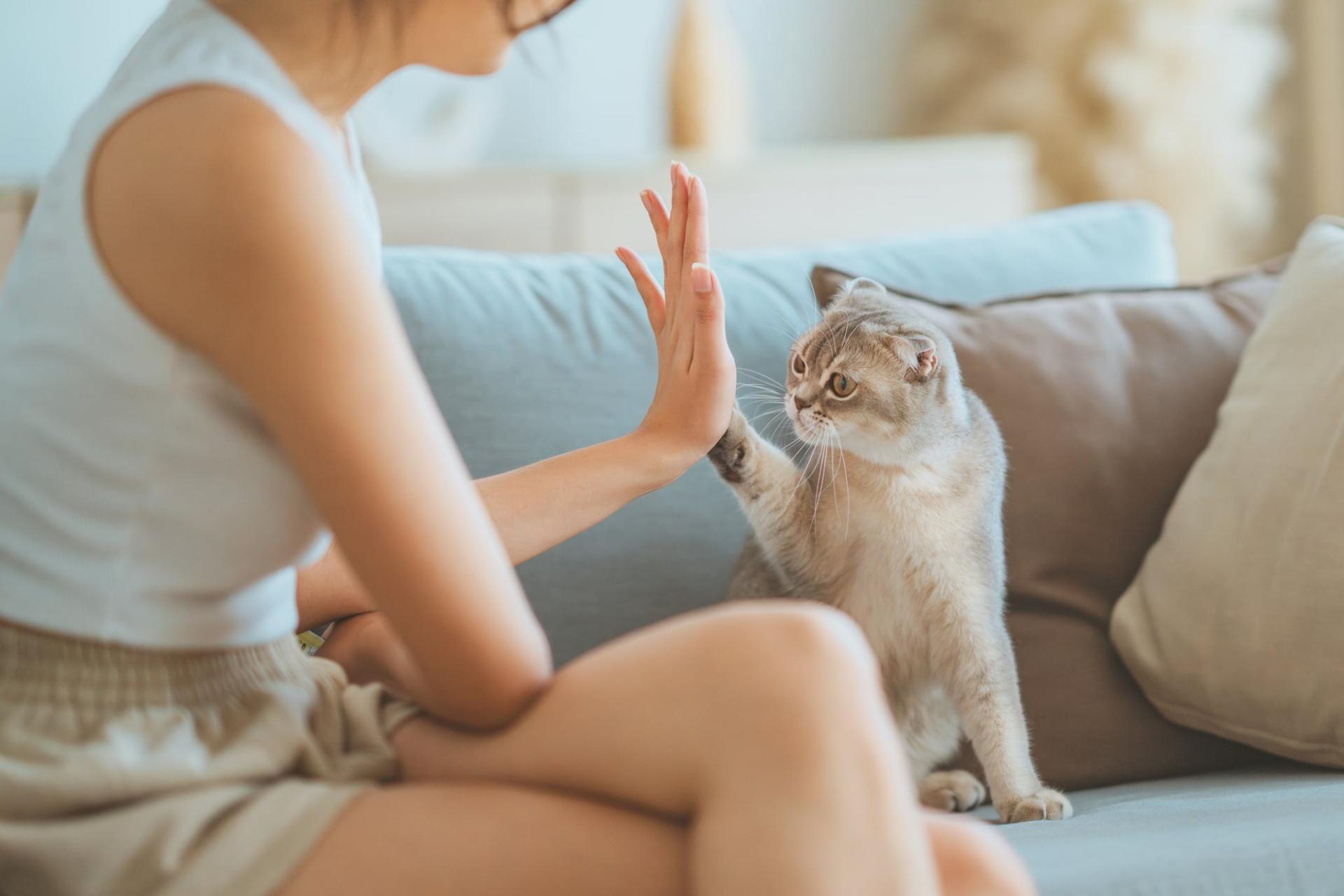
Many see cats as independent, self-sufficient creatures who are almost impossible to train or work with. Compared to dogs’ obedience and playfulness, cats are often known for their stubborn nature. But there’s a special technique that can help cats become wonderfully trainable. It’s called clicker training, based on the idea that positive reinforcement and clear communication help cats respond to various commands and even learn fun tricks.
The Basics of Clicker Training
Clicker training uses a unique sound device—the "clicker"—to guide and shape your cat’s behavior. This tool makes a distinct noise when pressed, letting you mark exactly the behavior you want to reward. This way, you can instantly reinforce positive actions without relying on words or complicated signals.
Consistency is key: the clicker’s sound should always stay the same during training. The goal is for your cat to associate the click with positive outcomes, like a tasty treat or gentle petting.
How to Start Clicker Training at Home
First, get a clicker device—these are easy to find at pet stores or online. Pick a quiet, distraction-free spot where your cat can focus. Begin by clicking the device within your cat’s sight and hearing, then immediately follow with a reward.
Start simple: say your cat’s name, click, and reward right away. This helps your cat understand what you want. Patience and practice are essential for your cat to clearly grasp the expected behavior.
Benefits and Challenges of Clicker Training
The biggest advantage of this method is its foundation in positive reinforcement, which is proven to be more effective than punishment-based training. Cats naturally respond better to praise and rewards, strengthening the bond with their humans. Clicker training also boosts your cat’s focus and memory.
That said, patience is crucial: not every cat will love the clicker right away. Some may react warily or simply not understand what’s expected. Don’t push it—give your cat time to get comfortable with the new routine. Gradually introduce clicker training into daily life for the best results.
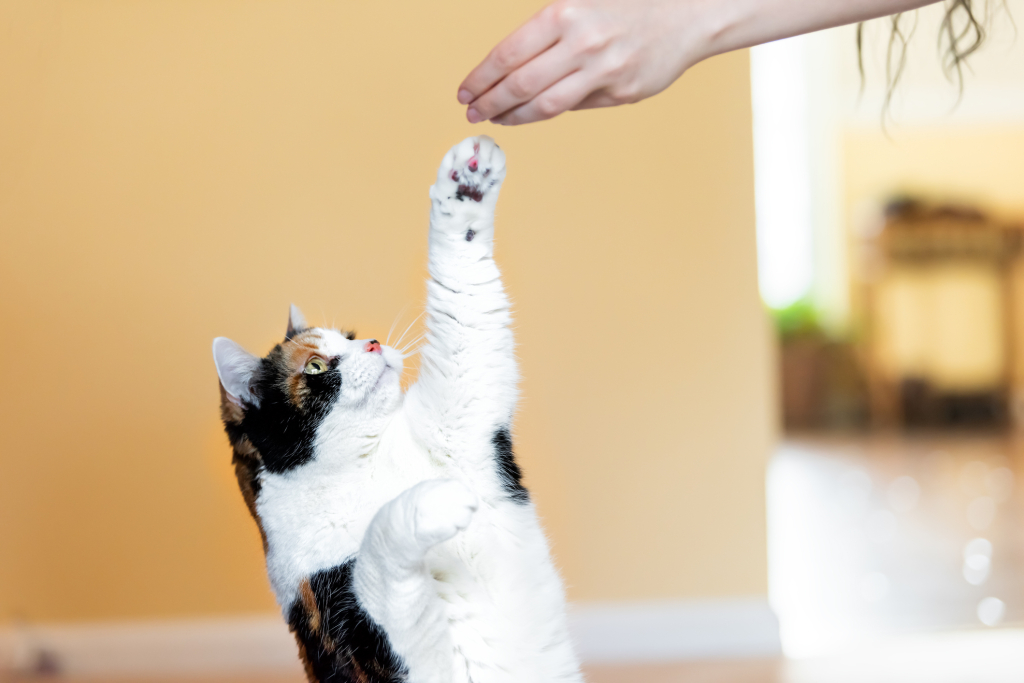
Tips for Successful Clicker Training
Consistency and patience are your best friends. Keep training sessions short—5 to 10 minutes daily—since cats have limited attention spans. Always have your cat’s favorite treats ready and reward every success immediately. Make sure training never becomes stressful; if your cat seems overwhelmed, pause and try again later.
Mix up the exercises to keep things interesting and challenge your cat. Remember, clicker training isn’t just about teaching tricks—it’s a fantastic way to deepen your bond and share a fun adventure together.