Raises Your Stress Levels
Watching horror movies clearly boosts stress hormones, especially adrenaline, in your body. As scary scenes unfold on screen, your heart races and your sympathetic nervous system kicks into high gear. This natural response helps you avoid danger, but over time, it can lead to increased stress that may impact your health.
A study published in the Journal of Anxiety Disorders found that regular stress-related hormone changes can contribute to anxiety and depression. So, binge-watching horror films might take a toll on your mental well-being if done too often.
Sleep Loss and Disturbances
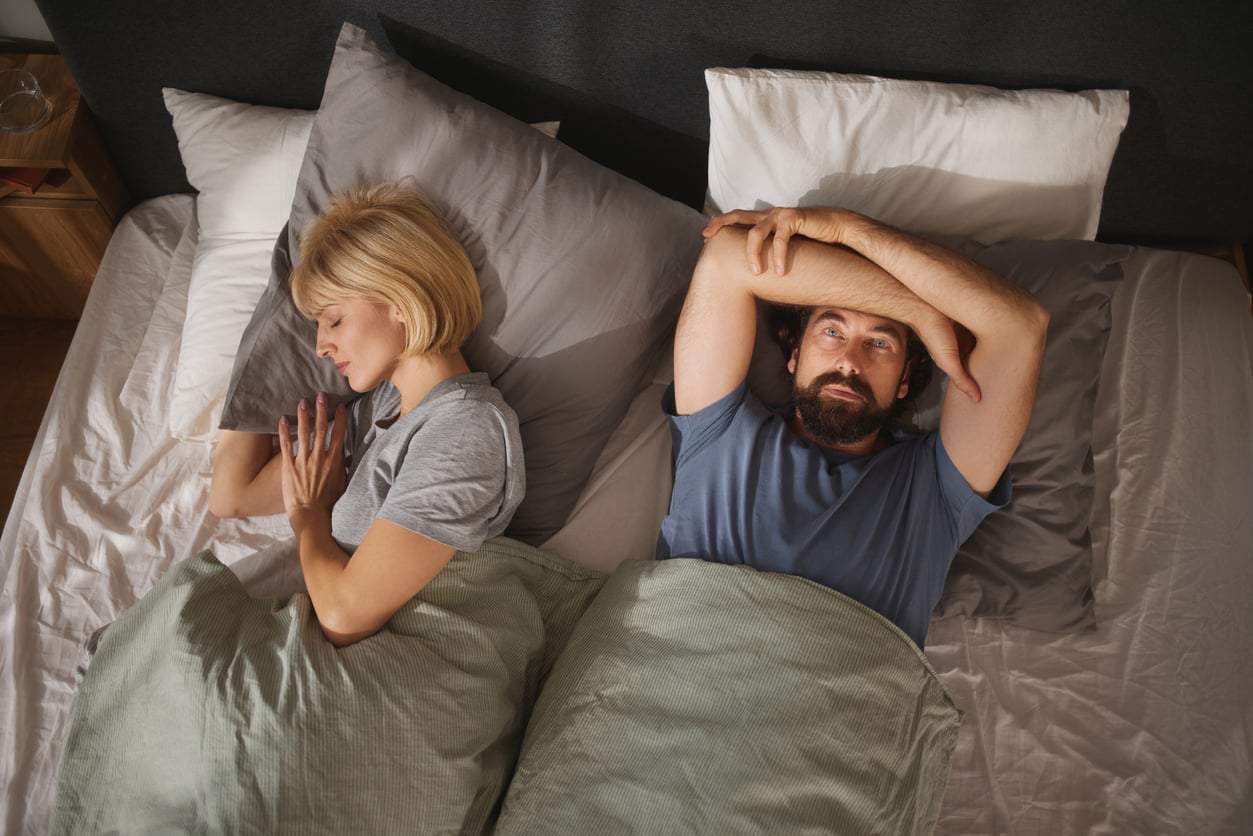
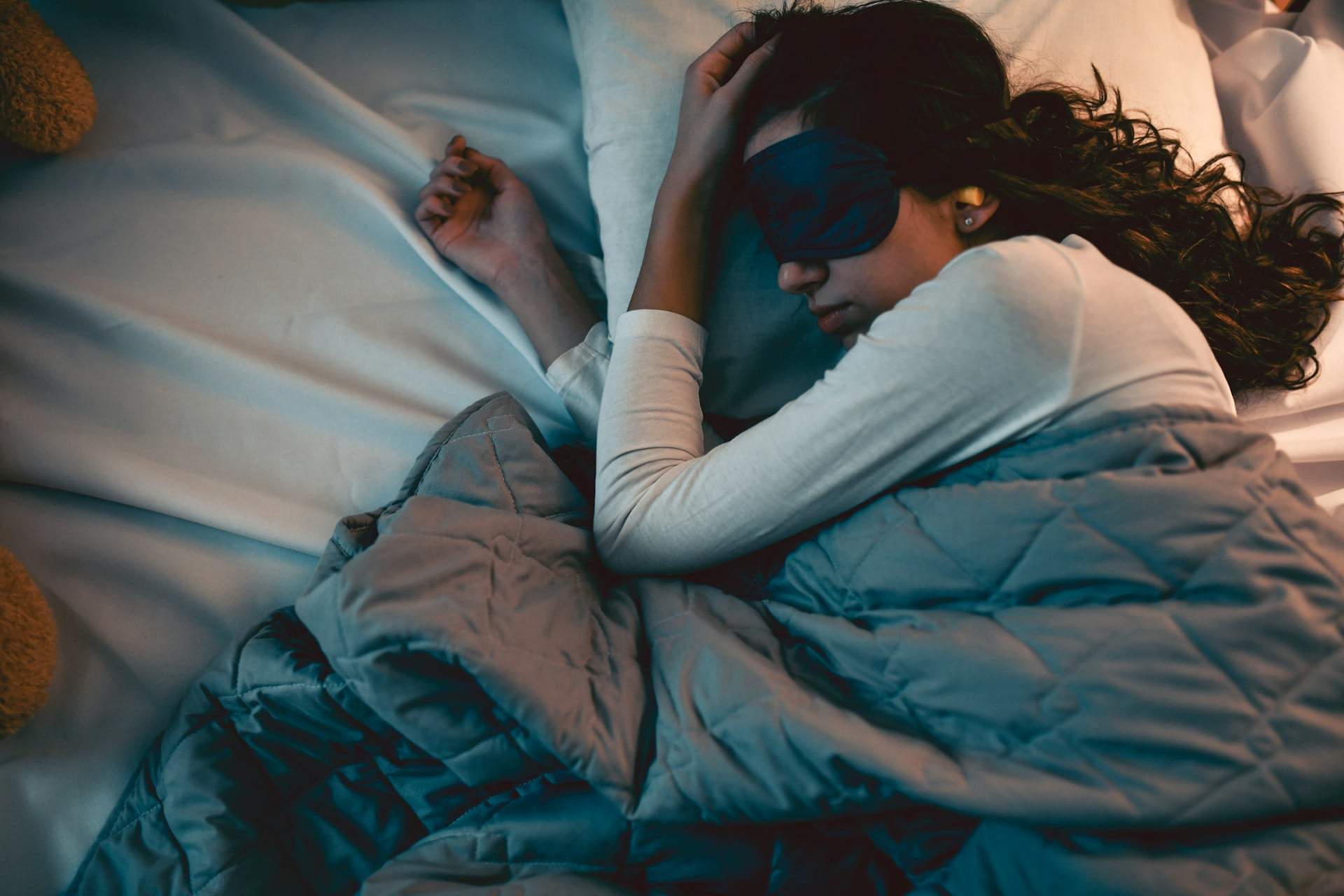
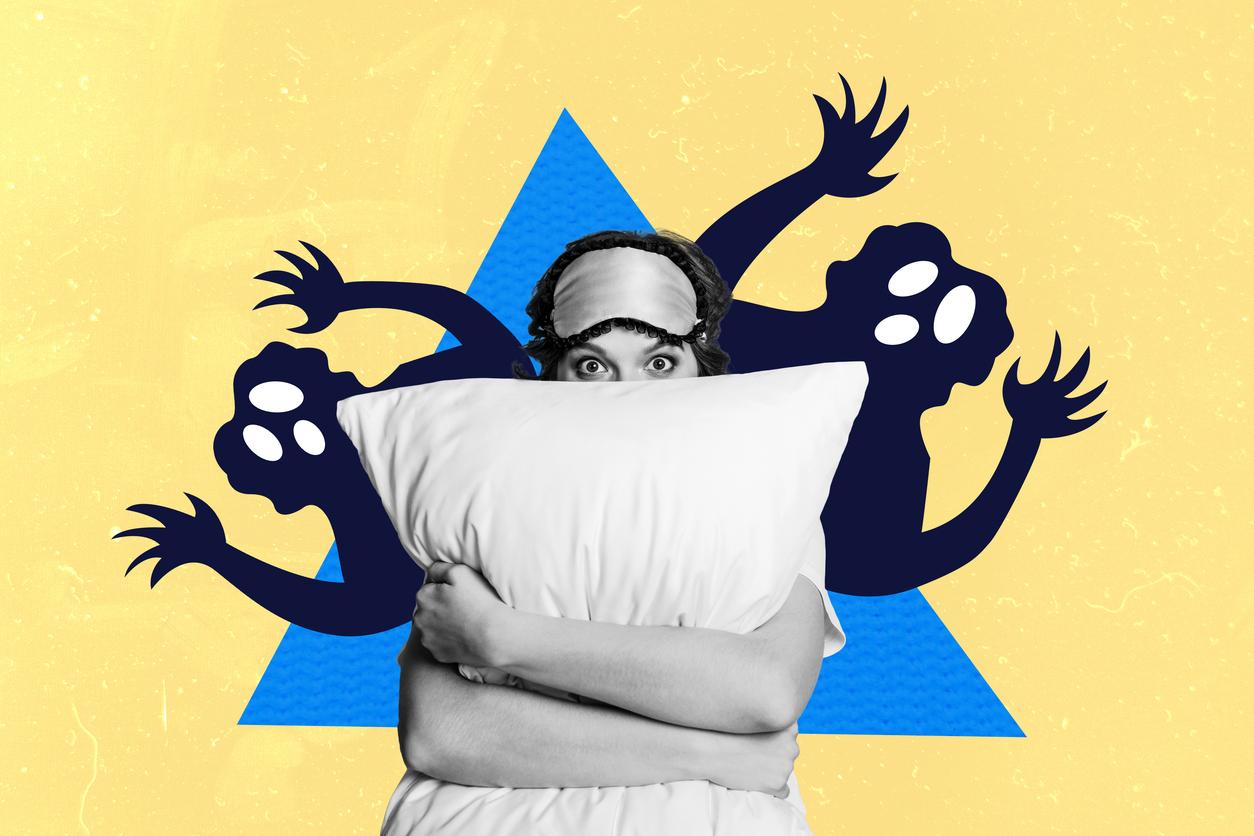
After a late-night horror movie marathon, many of us struggle to fall asleep or experience nightmares. Horror films can disrupt sleep patterns, potentially leading to chronic sleep deprivation.
According to the Sleep Foundation, disturbed sleep rhythms can affect your daily energy, alertness, immune system, and metabolism—turning sleep issues into a gateway for chronic health problems.
Physical Symptoms and Heart Concerns
One of the biggest draws of horror movies is their fast pace and unexpected twists, which can spike your blood pressure and heart rate. These intense moments may cause temporary symptoms like headaches, sweating, or stomach cramps.
Some cardiology studies suggest that frequent strong reactions to scary stimuli might increase the risk of heart problems, especially for those with existing cardiovascular conditions.
Increased Fear and Anxiety
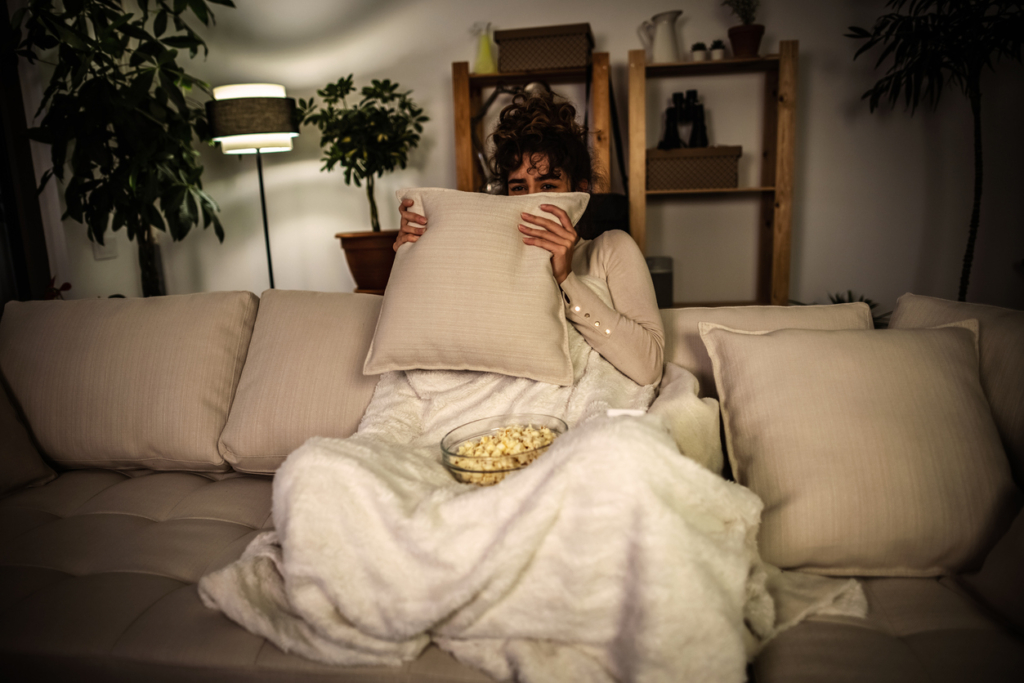
Many of us notice heightened sensitivity to sounds and movements after a truly chilling film. Horror movies can amplify anxiety and fear, which over time may change how we perceive and relate to our surroundings.
A psychological study published in Clinical Psychology Review highlights that people prone to anxiety disorders are especially vulnerable, as these intensified fears can cause ongoing stress.
Isolation and Social Effects
While watching horror movies is often a social activity, some people may withdraw more due to the unsettling feelings these films evoke. Unshared fears and anxieties can deepen isolation and social anxiety.
As shown in a study from the American Journal of Psychiatry, lacking social connections and fearing social situations can significantly reduce quality of life and lead to psychosocial challenges.