I remember when everyone admired how organized I was. I was proud of it and often wondered how others could be late, forget things, or just fall apart with daily tasks. Everything had its place, every day had a schedule, and I felt in full control of my life. Then suddenly, I found myself always rushing. I’d lose things, miss appointments, forget this and that, and I was no longer the calm, organized person I once saw in the mirror. I was doing more and more but remembering less and less. That’s when I said: enough. It’s time to slow down.
For a long time, I thought slowing down was a sign of weakness. That if I didn’t keep pushing, I’d miss out on work, opportunities, or experiences. But the truth was the opposite. While trying to hold onto everything, I slowly lost it all: my focus, energy, and even my enthusiasm. The rush drained me physically and mentally. At night, I’d go to bed tired but never satisfied. It felt like my life was an endless to-do list with a few unchecked boxes every day.
My first realization: “rushing” isn’t always about moving fast
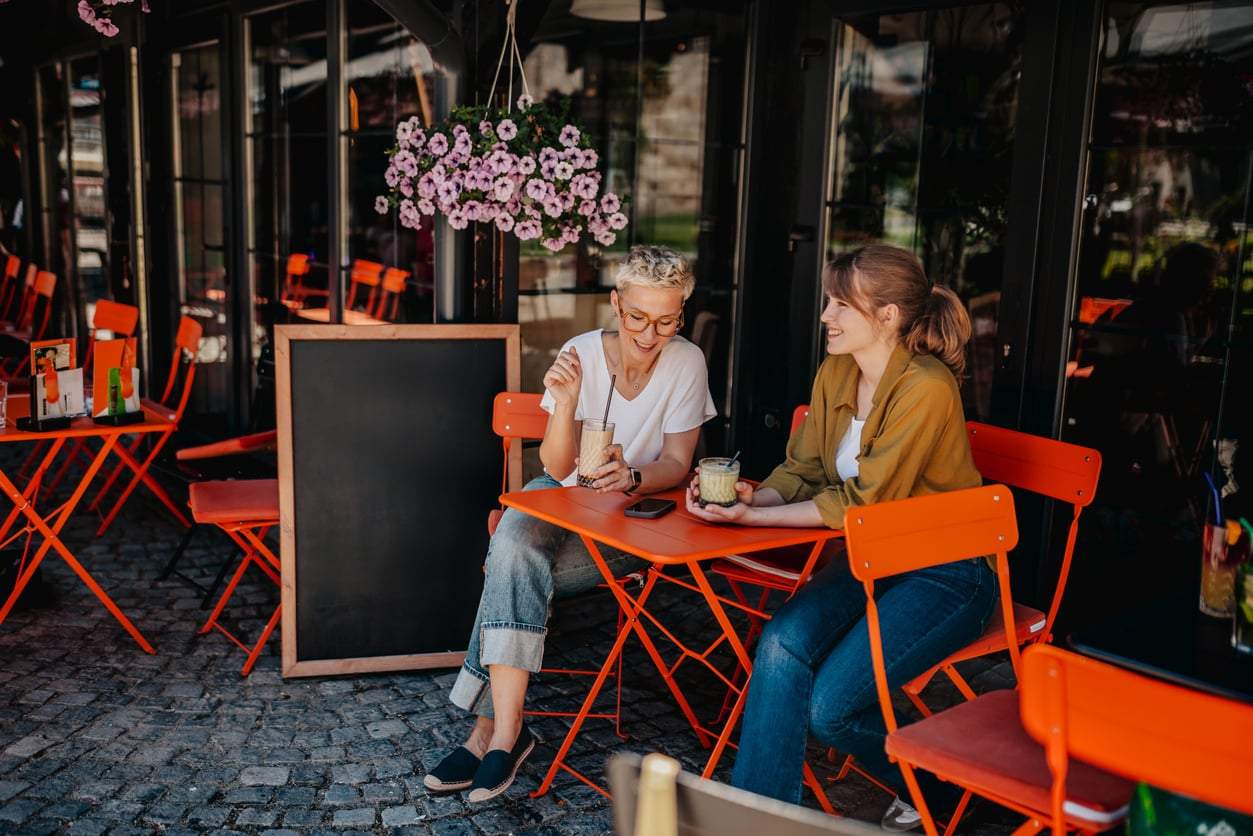
Often, our minds race while we’re eating breakfast, already thinking about work tasks; at work, our thoughts jump to grocery lists; and in the evening, we worry about what we forgot during the day. Our minds are always one step ahead, and this constant mental sprint is what truly exhausts us. I started focusing on doing one thing at a time—whether it was a conversation, a meal, or simply enjoying my morning coffee.
Step two: I stopped unnecessary multitasking
I used to be proud of juggling emails, phone calls, and editing presentations all at once. Now I know that just made me more tired and scattered. When I started separating tasks, everything somehow became simpler.
I learned that true efficiency doesn’t come from doing everything at once, but from being fully present in what I’m doing. This presence brought a calm to my life I didn’t realize I needed.
The third change involved how I use my phone
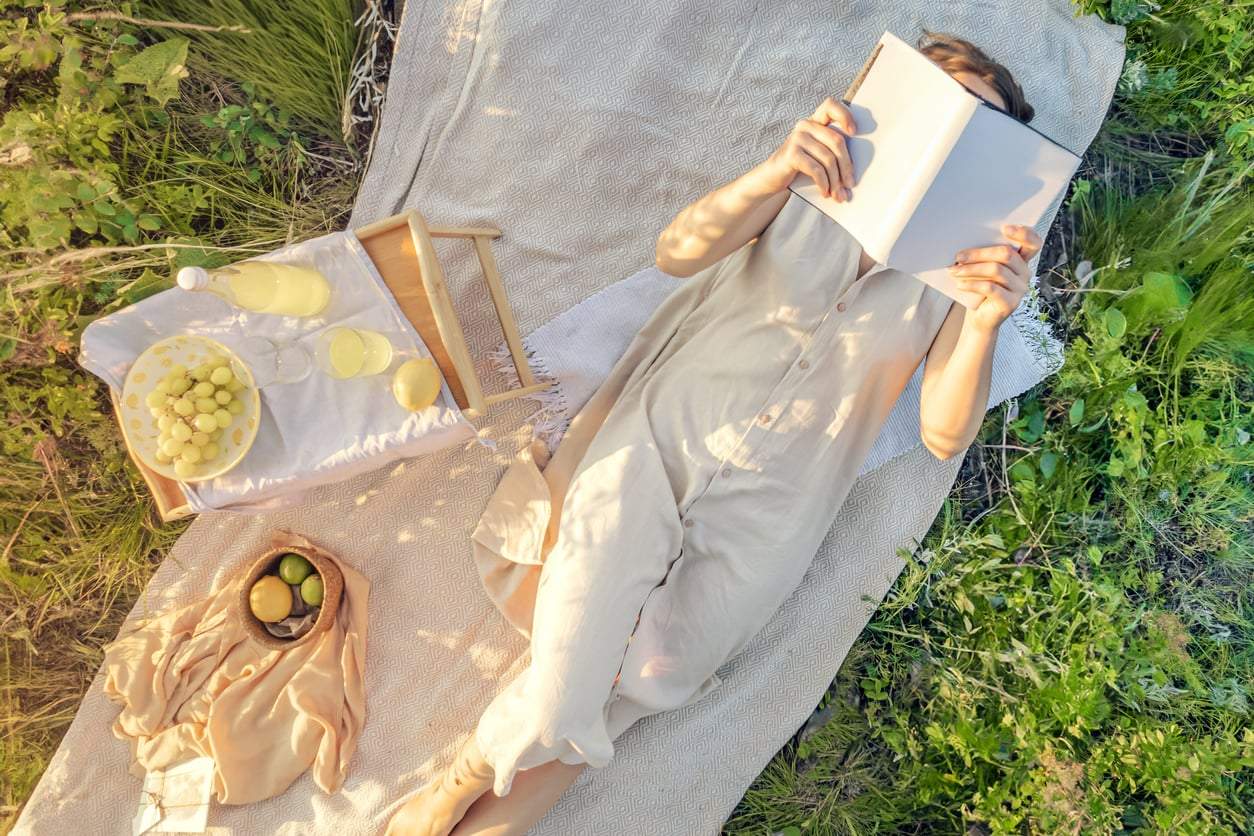
In the age of social media, I barely noticed how often I reached for my phone—first thing in the morning and even when I wanted to relax at night. Endless scrolling stole not just my time but my energy. I set a rule: after a certain time in the evening, I don’t check my phone. At first, it felt strange, like something was missing, but soon I enjoyed it more and more. Instead, I started reading, journaling, or just sitting quietly. That’s when I realized how rare true silence is these days.
I also realized not every event, meeting, or job offer deserves my time. I used to say yes to everything, fearing I’d miss out. Now I’ve learned that saying “no” isn’t rejection—it’s self-care.
Saying no actually makes room for what truly matters. A walk, a peaceful morning, or a conversation where I’m not rushing to fit someone into my schedule but truly present with them.
Living slower doesn’t mean giving up on my goals. Quite the opposite: I see them more clearly. While I used to just want to “survive” each day, now I want to be present in my moments. I allow myself days without productivity. To just be. To take a walk without listening to a podcast or answering emails. To drink coffee without thinking about the next task.
Now I know slowing down isn’t against the world—it’s for me. I don’t have to be everywhere or get the most out of everything. It’s enough to live what’s in front of me. The biggest risk of rushing isn’t just exhaustion—it’s missing the beauty all around us. And if I’ve learned anything recently, it’s that slowing down isn’t weakness, it’s courage.