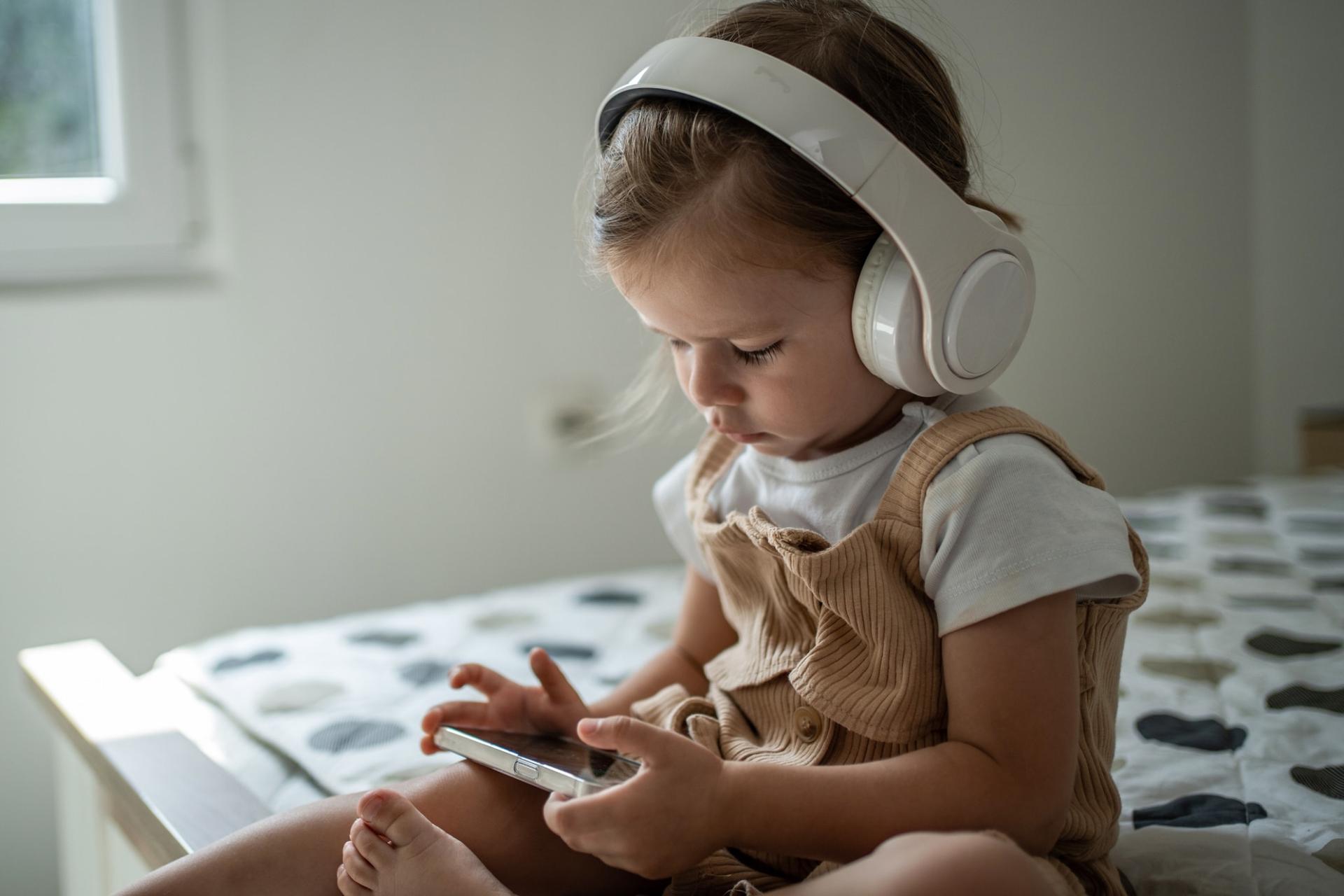
Digital devices have become a natural part of daily life, but as parents, it’s important to understand how much screen time is safe for children at different ages. This guide summarizes the latest international recommendations (such as those from WHO and the American Academy of Pediatrics) on how much screen time is suggested by age—and what health effects excessive screen use might bring.
It’s important to note that these guidelines primarily apply to leisure screen time—educational screen use should be treated separately, with attention to regular breaks.
0–2 years: Screen-Free Start
For this age group, screen time is not recommended. WHO guidelines advise that children under 2 years old should ideally avoid watching TV, tablets, or smartphones altogether. The American Academy of Pediatrics (AAP) similarly recommends avoiding screens until 18–24 months, except for brief, occasional video calls with family members (like grandparents).
At this age, babies and toddlers learn most from real, personal interactions—talking, playing together, storytelling, and singing are far more important for their development than any digital content.
Instead of screen time, encourage physical play and quality family moments to lay the foundation for healthy growth.
2–5 years: Preschoolers and Screen Time
At this stage, screens can appear but in very limited amounts. International guidelines suggest no more than 1 hour per day of screen time, ideally with parental supervision. This means 2–5-year-olds can watch a show or use an educational app for up to an hour daily—but always with high-quality, age-appropriate content, preferably together with a parent.
Watching together lets parents help kids understand what they see and connect with the content (“talking through” the story).
It’s also important that the hour isn’t continuous: break it into shorter sessions with pauses, and make sure plenty of movement and play happen throughout the day. Consistent rules (like no screens an hour before bedtime) help kids learn healthy media habits.

6–10 years: Screen Time in Early School Age
School-age kids encounter the digital world more often, but moderation remains key. Experts say that 1–2 hours daily of leisure screen time is still acceptable. More than that regularly (outside of schoolwork) can be risky, as it may replace physical activity, social play, or enough sleep.
Set clear rules: have device-free times (like during family dinners) and screen-free zones (such as young children’s bedrooms). Monitor content too—kids at this age still need supervision, so talk about what they play or watch.
Screens shouldn’t be used as a reward or to calm kids down, but as an occasional, consciously limited treat. When children get used to screens being available only for a small part of the day, they’re more likely to find other activities and develop a healthy balance between digital and real-life experiences.
11–13 years: Preteens and Screen Use
Preteen years (~11–13 years) are a critical time for media habits. Kids use devices more independently, often browsing the internet, social media, or gaming online, so having consistent rules and routines is even more important.
Experts still recommend keeping leisure screen time to no more than 2 hours daily at this age.
This doesn’t include homework or study-related computer use, but even then, remember to rest the eyes and move regularly (e.g., take short breaks every hour). Involve preteens in setting family media rules—when they help decide how much time is allowed for games or YouTube, they’re more likely to stick to the limits.
A solid bedtime routine is crucial: stop screen use at least one hour before sleep because screen light and excitement can harm sleep quality. At this stage, it’s also important to discuss content risks (like online safety and cyberbullying) and teach mindful media use basics.
The goal is for teens to independently recognize the harms of too much screen time and develop a desire for a healthy digital balance.
14–18 years: Screen Time in Teen Years
High school teens use smartphones and computers daily for studying and staying connected, but it’s still wise to set limits on non-study screen time. Ideally, 14–18-year-olds should keep leisure screen time under 2 hours daily. Some days may be longer, but maintaining a long-term balance is key.
Make sure teens get enough sleep (8–10 hours needed at this age) and stay active—screen time shouldn’t cut into these essentials. Device-free times remain helpful, like no phones or laptops before bed, in bedrooms overnight, or during family meals.
It’s important teens use social media and the internet responsibly: talk about online risks, protecting personal data, and how to handle negative experiences. At this age, agreements based on trust work better than strict parental control—trust your teen but expect them to follow basic rules (like putting the phone away at a reasonable hour).
Excessive screen time in this group is linked to mental health challenges (like anxiety and depression risk), so open communication is vital: watch how online time affects mood and behavior, and help reduce screen time or seek professional support if needed.
What Research Says About Screen Time and Kids
Recent scientific studies increasingly explore how screen use affects children. Here are two key findings highlighting possible consequences of too much screen time:
Screen Time and Sleep Quality
A recent (2024) experimental study found that if young children avoid screens for an hour before bedtime, their sleep improves significantly. The study involved families with 16–30-month-old children: one group’s parents avoided evening screen use for 7 weeks, replacing it with calm play and storytelling.
Children in this group slept more peacefully and longer at night, waking up less often than those who continued watching shows before bed.
This research supports expert advice to avoid screens close to bedtime and instead use quiet, screen-free routines to help kids fall asleep.
Screen Time and Mental Health
A comprehensive US survey from 2021–2023 examined screen use and mental health in 12–17-year-olds. Results showed that teens spending a lot of time (over 4 hours daily) on screens had much higher rates of mental health issues: about a quarter showed anxiety or depression symptoms.
In comparison, only around 10% of peers with less than 4 hours daily screen time showed these symptoms.
This doesn’t mean screens directly cause depression or anxiety, but the link is clear: heavy screen use can make young people more vulnerable mentally. Researchers note that lots of sitting and screen time often comes with less sleep, less movement, and shallower social connections, which can contribute to mental health problems.
As parents, it’s worth paying attention: if your teen “disappears” into their phone or computer for hours and their mood changes, take time to talk, review their media habits together, and reduce daily screen time if needed.
Screens aren’t the enemy for kids, but moderation is key at every age. Experts recommend less screen time for younger children (none for 0–2 years, max 1 hour daily for 2–5 years). For older kids and teens, keeping leisure screen time generally under 2 hours daily helps avoid most negative effects. The focus is on balance: encourage movement, reading, play, and face-to-face time with friends so digital experiences complement healthy development. As parents, leading by example, setting consistent rules, and guiding with love helps children use screens safely, meaningfully, and in healthy amounts.