Spring is all about renewal—many of us try to be more mindful of hydration, digestion, and energy levels. But does the temperature of the water you drink really matter? The trend of drinking hot water, rooted in traditional Chinese medicine, is gaining popularity. So, what does science say?
Sports dietitian expert Dr. Nyree Dardarian, head of the Nutrition Department at Drexel University, helped clear up the facts and myths.
The Bottom Line: Hydration Matters More Than Temperature
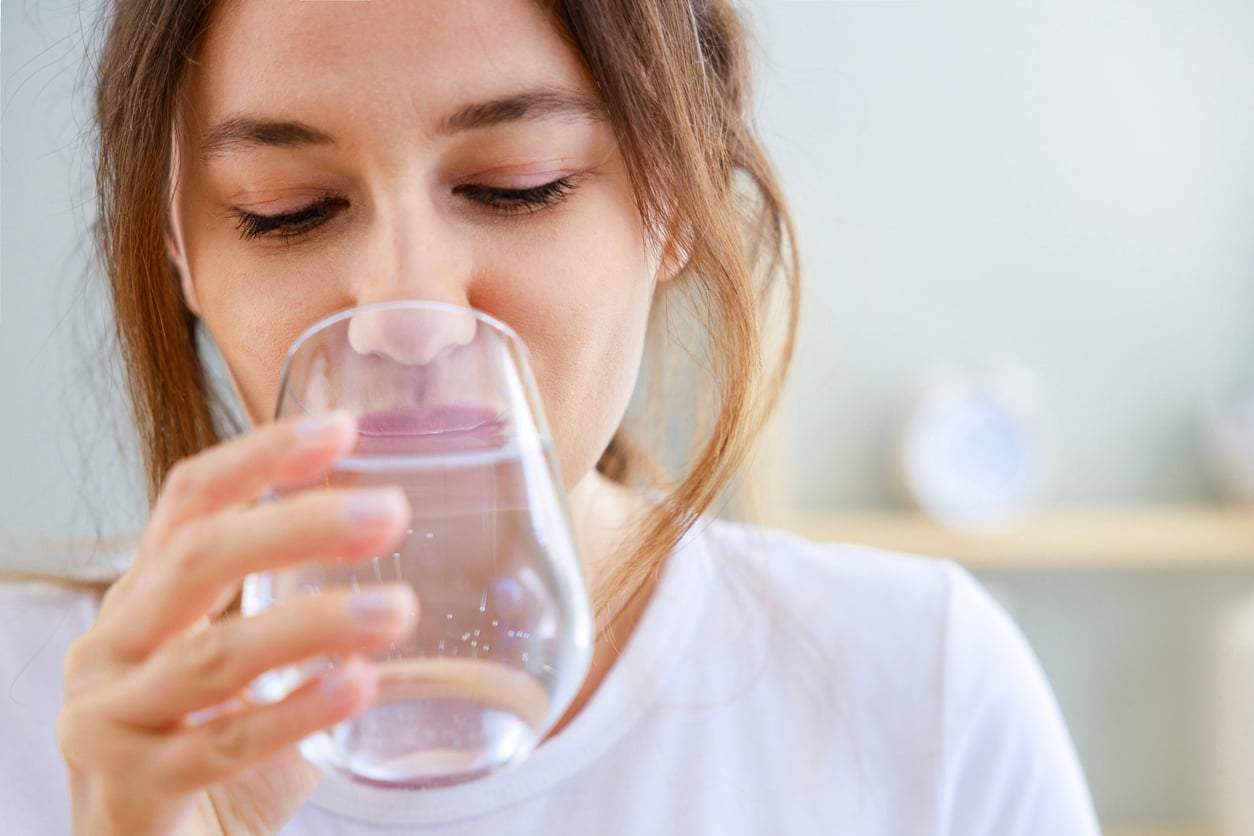
While debates swirl around cold, lukewarm, and hot water, the key message is simple: staying properly hydrated is what counts most. Water hydrates your body regardless of its temperature, Dr. Dardarian told Outside Magazine.
The Mayo Clinic recommends about 2.7 liters (roughly 11.5 cups) of fluids daily for women and 3.7 liters for men, including fluids from food. The good news? You can meet this goal with a glass of warm water just as easily as a refreshing cold drink.

Warm Water: Gentle Support for Digestion
Traditional Chinese medicine has long favored warm or lukewarm water, believing it aids digestion and reduces bloating.
Modern research is still limited but shows promising signs:
- warm water may stimulate bowel movements and support digestion,
- it can relax stomach muscles, helping ease bloating,
- and it might promote more regular bowel function.
Drinking a glass of lukewarm water first thing in the morning on an empty stomach can be especially helpful to "kickstart" your digestive system.
Feeling Full and Blood Sugar: A Lesser-Known Benefit
Warm water before meals may also influence digestion speed.
According to the expert, at this time:
- the stomach expands,
- receptors responsible for feeling full activate,
- and food empties more slowly from the stomach.
This means food digests more slowly, which can help keep blood sugar levels steadier. This is especially helpful if you want to avoid energy crashes, sudden hunger, or mood swings.
Myths: Hot Water Doesn’t Burn Fat or Detoxify
It’s important to clear up some common misunderstandings:
- hot water does not burn fat,
- and it doesn’t "detox" your body.
Your body’s own detox systems (liver, kidneys) handle this job—no matter the water temperature.
Exercise and Hydration: Cold Water Has the Edge
When it comes to workouts, water temperature does matter.
Cold or room temperature water:
- helps lower body temperature,
- supports longer, more effective performance,
- and is easier to drink in larger amounts.
In contrast, hot water is less ideal during exercise—especially in warm weather.
That said, there’s one important exception: if you drink more fluids by flavoring warm water (like with lemon or fruit), that’s still better than staying dehydrated.

The Real Key: Drink What You Enjoy
Research shows many people live with mild, chronic dehydration, which can cause fatigue, headaches, and trouble concentrating.
So the most important question isn’t hot or cold, but whether you drink enough.
If warm water helps you drink more, it’s worth making it part of your daily routine.

Spring Wellness Routine: A Cup of Calm
Warm water isn’t a miracle cure, but it can be a simple, effective tool to support daily well-being.
- Morning: start your day with a glass of lukewarm water.
- Throughout the day: stay mindful of regular hydration.
- Evening: a cup of warm water can help you unwind and relax.
As Dr. Dardarian emphasizes: warm water is more about a soothing, mindful ritual—not a magic fix. Listen to your body and build hydration habits that work for you long-term.