Know where to stop
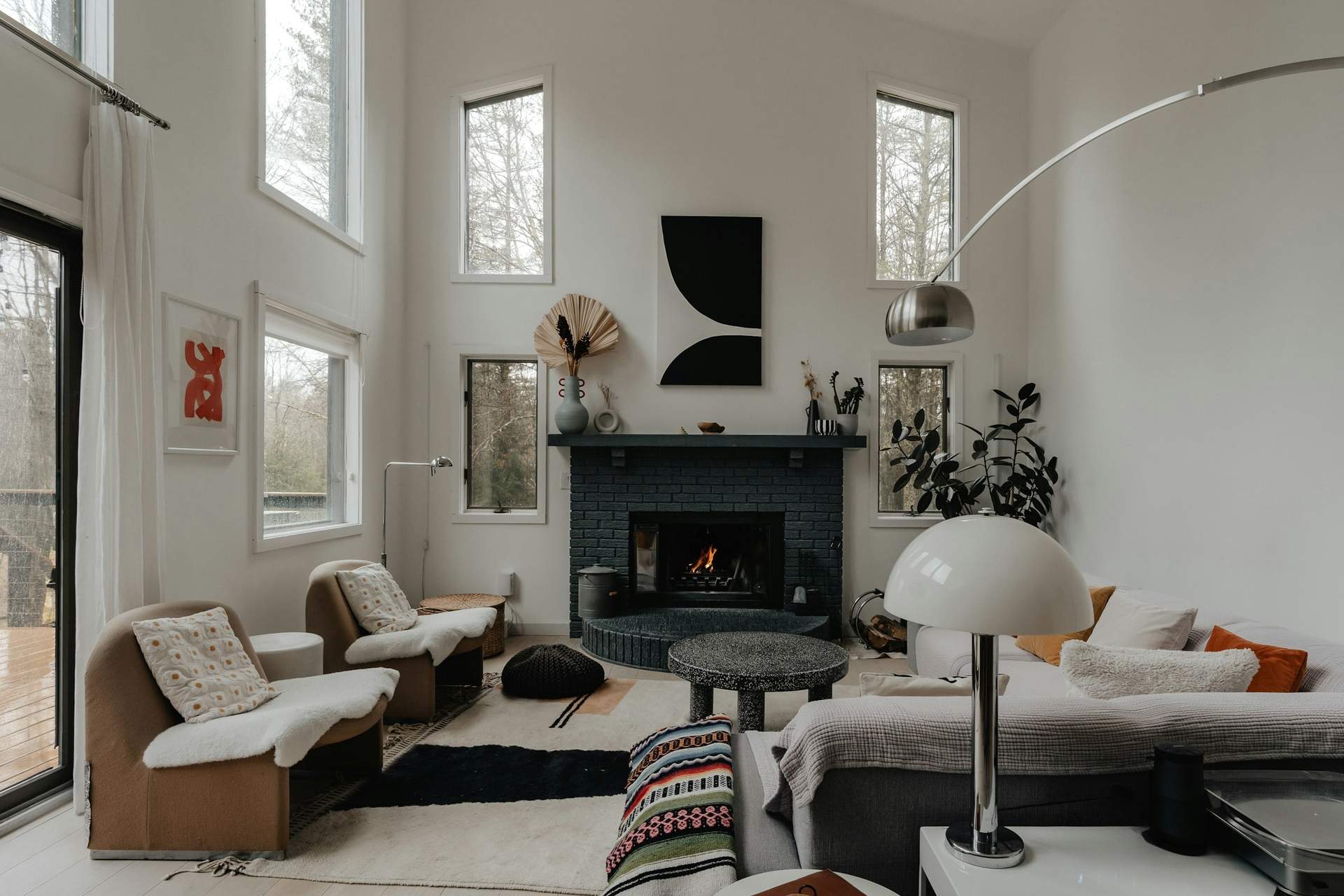
The test I use is simple: stand at the doorway, not in front of the fireplace. From across the room, can you see one clear shape — a rising, falling, overflowing line — or does it dissolve into a speckle of small things? If it speckles, remove the smallest items first. Tiny objects are almost always the culprit, because they read as visual static rather than as decoration.
Leave a little bare shelf somewhere too, even just a hand's width at one end. That breathing space is what tells the eye the arrangement was a choice. And keep the practical side honest: anything you need daily — keys, the remote, a clock — should not be living in the middle of a garland by the second week of December, or you'll dismantle it yourself out of sheer irritation.
How do I decorate a mantel safely if I actually use the fire?
Keep real greenery and anything paper or fabric well clear of the firebox opening, and remember that dried material becomes more flammable as the weeks pass and it loses moisture. Use a deep mantel shelf if you have one, keep candles away from overhanging foliage, and never leave them lit when you leave the room. If your fire genuinely throws heat up the chimney breast, a display of ceramics, metal and glass is a better bet than one built on fir.
What if I don't have a fireplace at all?
The same three-layer logic works on a console table, a wide windowsill, a radiator cover or the top of a bookshelf. You need a vertical backdrop — a mirror, a picture, a leaning tray — plus bulk in the middle and something spilling over the front edge. Choose a surface people pass or sit near rather than the most formal one in the house, because the whole appeal of abundant decorating is that you get to notice it a dozen times a day.