Drying and storing so you do not repeat this in March
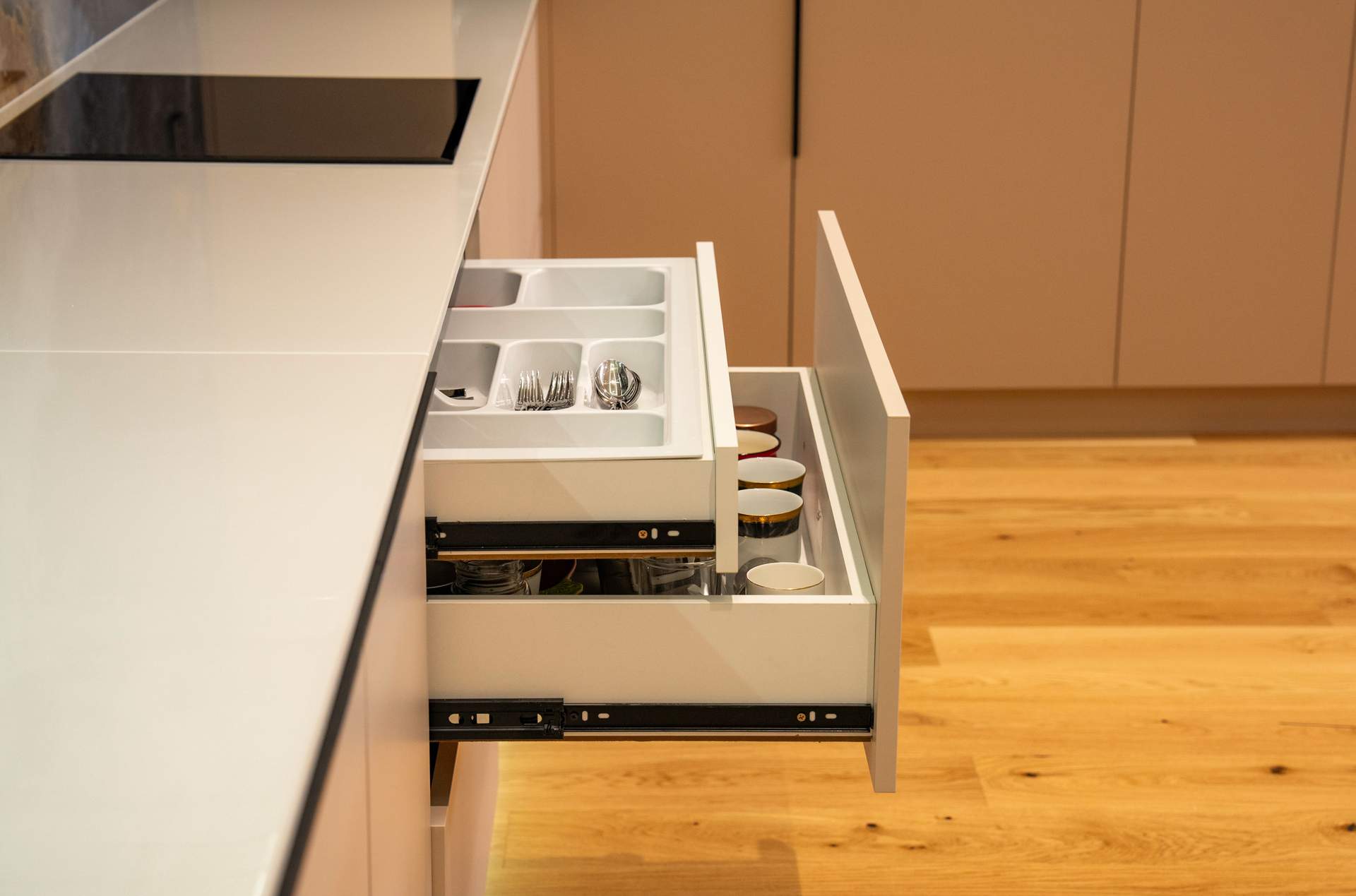
Tarnish is caused by sulphur compounds in the air, so storage is the whole game. Dry everything absolutely, then wrap pieces individually in acid-free tissue or a tarnish-resistant cloth bag, and keep them in a drawer or box rather than on open display in a steamy kitchen. Anti-tarnish strips tucked into the box slow things down considerably.
Keep silver away from rubber bands, newspaper, wool and felt that has not been treated, all of which contain or release sulphur. Avoid damp cupboards and the area directly above a radiator, since heat and humidity both accelerate the reaction. And use the things. Silver that is handled and washed regularly stays bright, which is a pleasing argument for taking the good cutlery out on an ordinary Tuesday instead of waiting for an occasion that keeps not happening.
Can I put silver in the dishwasher?
Better not, and particularly not silver-plated pieces or anything with a bonded handle. Dishwasher detergents are harsh enough to dull the surface over time, the high heat can affect handles and adhesives, and if silver and stainless steel touch in the basket you can get pitting and dark marks. Hand washing in warm soapy water and drying straight away takes a few minutes and keeps the finish intact.
How do I stop silver tarnishing again so quickly?
Mostly by controlling what it touches and breathes. Store it dry, wrapped and enclosed, away from kitchen steam, and keep eggs, onions, mustard, mayonnaise and salt off it for long periods — all of them are notorious for marking silver, which is why salt cellars traditionally had glass liners. Wash serving pieces promptly after a meal rather than leaving them overnight, and a quick buff with a dry cloth before putting them away buys you months.