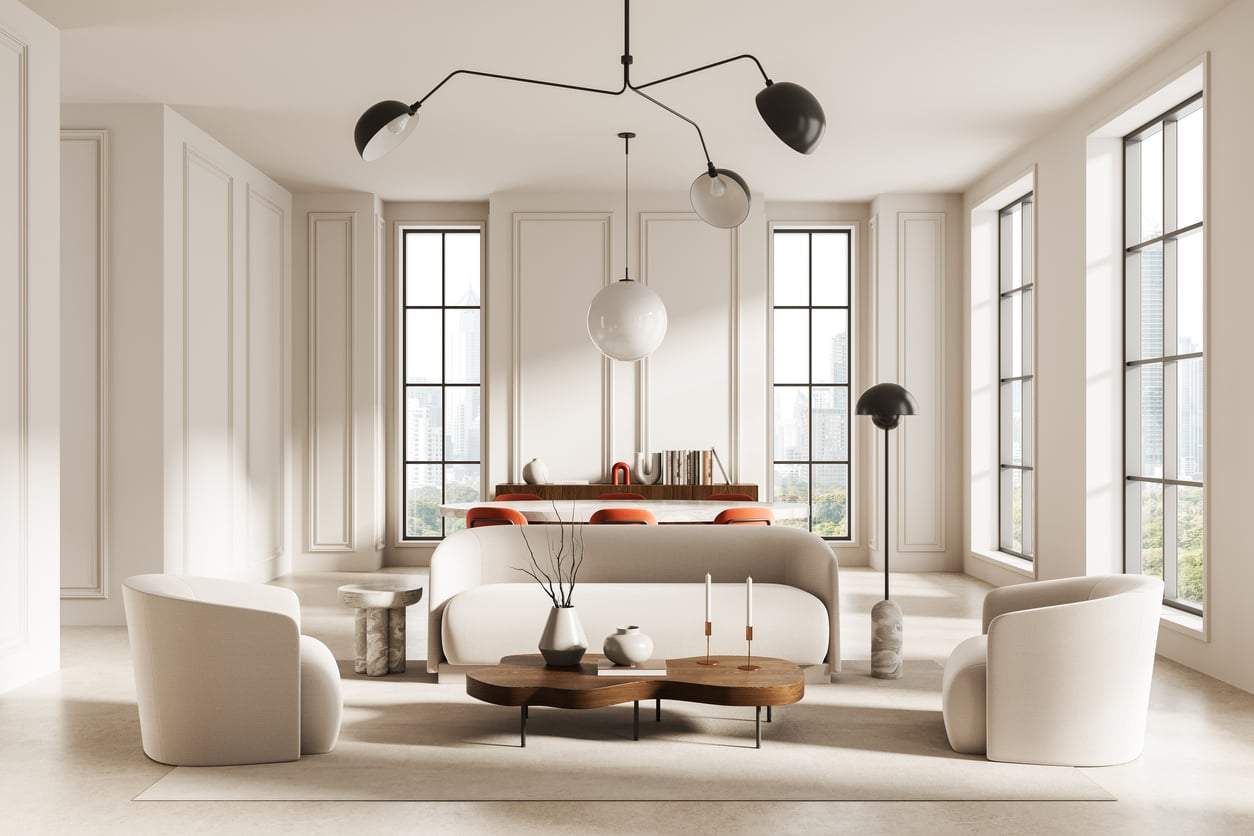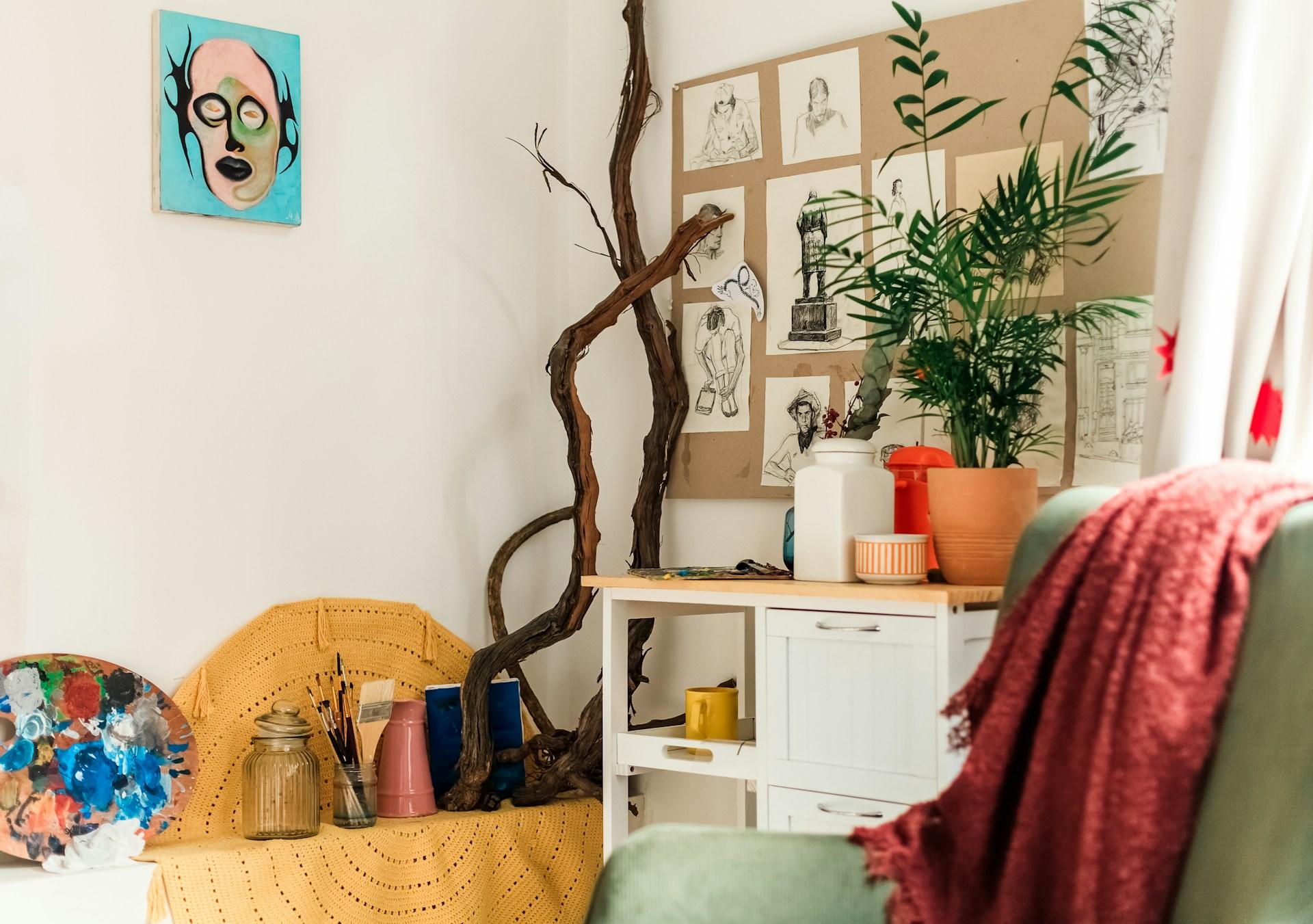
I have to admit: by January, I was completely drained. Not in an obvious way, but quietly. Mornings felt tougher, silence wasn’t restful anymore, and even the things that usually recharge me felt exhausting. I know I’m not alone—early in the year, many of us aren’t buzzing with fresh energy but just trying to get through the end of winter somehow.
That’s why I intentionally start projects that don’t take from me but give back. Not productivity or efficiency, but energy. One of my projects this year was to create a resting corner at home. It’s not a big makeover or a “dream home” project. It’s more of an inner need: a place where you don’t have to perform, be perfect, or “rest well.” Just arrive. The more I read about it, the clearer it became why therapists swear by it.
Why Do Therapists Love Resting Corners?
A resting corner is more than just a cozy nook in your home. Mentally, it’s a safe anchor. Therapists often emphasize how important it is for our nervous system to have a clearly defined “calm zone.” Such a corner:
- helps soothe your nervous system,
- reduces constant alertness,
- creates a space for slowing down and eventually becomes a conditioned reflex.
When you sit there, your body knows it doesn’t need to be on guard. It’s no coincidence that many therapy spaces include similar soft, warm, and uncluttered corners. The environment itself is part of the healing.
What Makes a Resting Corner Truly Work?
A resting corner isn’t good because it’s “pretty.” It works because it asks nothing from you. A well-designed resting corner:
- is separate from work and tasks,
- is gentle on your body (doesn’t force you into stiff posture),
- minimizes stimulation and isn’t multifunctional.
This isn’t the spot to quickly reply to a message or skim your to-do list. This corner is reserved for one thing only: rest.
How to Set It Up at Home—Simply and Stress-Free
Start with the Spot, Not the Furniture
You don’t need a separate room. A corner, a spot by a window, even a comfy chair in the bedroom works perfectly. The question isn’t “Where does it fit?” but where do you feel a bit calmer?
Put Your Body First
Think about it: would you rather sit, lie down, or curl up here? A cozy armchair, cushions, a mattress, or a pouf—all are great choices. The key is that your body can let go.
Layer Softness
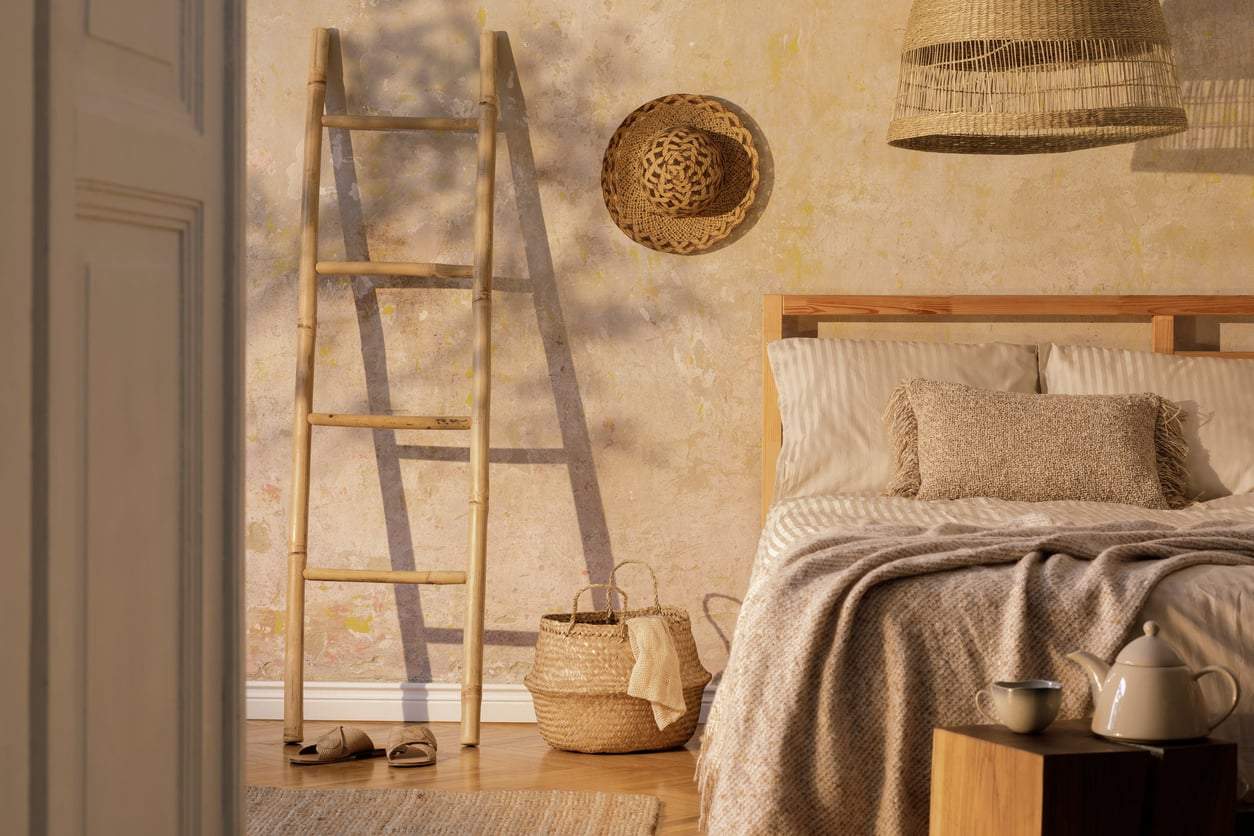
Blankets, textiles, warm materials. Not just for looks, but because weight and warmth create a sense of safety. This instinctively calms the nervous system.
Filter Out Stimuli
If possible, keep screens out of sight. A warm lamp, a candle, or soft natural light is more than enough. The less visual noise, the easier it is to slow down.
Give It Meaning
Have something that belongs only to this corner: a book, a notebook, a scent, an object. Something that signals you don’t need to be anywhere else right now.
How to Use It So It Truly Recharges You
You don’t need long sessions. In fact, most therapists recommend 5–10 minutes a day without expectations. Sit down, look out the window, and breathe. Don’t try to “rest well.” The resting corner isn’t productive, efficient, or measurable—and that’s exactly why it’s healing.
What I Learned from It
For me, the resting corner didn’t solve everything. It didn’t instantly boost my energy or magically erase the January fatigue. But it gave me a place where I didn’t have to be strong—and sometimes that’s more than enough. The most important rule is that the resting corner isn’t another project, but a refuge. It doesn’t have to be perfect. It’s enough if you feel a little lighter there—and you do that again and again, every day.