Did you know your hormonal cycle affects not just your physical health but also how effectively you work? Tracking and leveraging the phases of your cycle can boost your productivity and help balance work and life. In this article, we explore how to align your monthly cycle with your tasks to elevate your career.
The Phases of the Female Cycle and Their Impact on Performance
The female cycle has four main phases worth understanding: menstruation, follicular, ovulation, and luteal. Each phase brings unique hormonal shifts that influence your emotions and mindset, shaping how you work. For example, menstruation often brings tiredness but can also spark creative problem-solving.
Let’s dive into how these phases affect your energy, focus, and efficiency at work, and which tasks fit best with each stage.
Menstruation Phase: Reflection and Planning
Lasting about 3-7 days, menstruation can feel like a time of renewal. Hormone levels are low, often causing low energy and mood swings. Use this phase to reflect on the past month, assess your achievements, and plan ahead. It’s a great time for creative brainstorming and mapping out long-term projects.
Follicular Phase: Energy and Fresh Starts
After menstruation, estrogen rises, boosting your energy and mood. This is your power phase! Take on new challenges and bring fresh ideas to the table. With sharpened brain function, it’s perfect for tackling complex tasks and launching new projects.

Ovulation Phase: Peak Performance and Communication
Hormone levels peak here, boosting confidence and communication skills. This phase is ideal for teamwork, presentations, and important meetings. Use this high-energy window to build connections and take bold career steps.
Luteal Phase: Completion and Focus
Following ovulation, progesterone rises, encouraging a calmer, more introspective mood. This phase suits detail work and wrapping up projects. With hormone fluctuations, prioritize stress management and rest. Trust your intuition to fine-tune your work.
How to Track and Remember It All
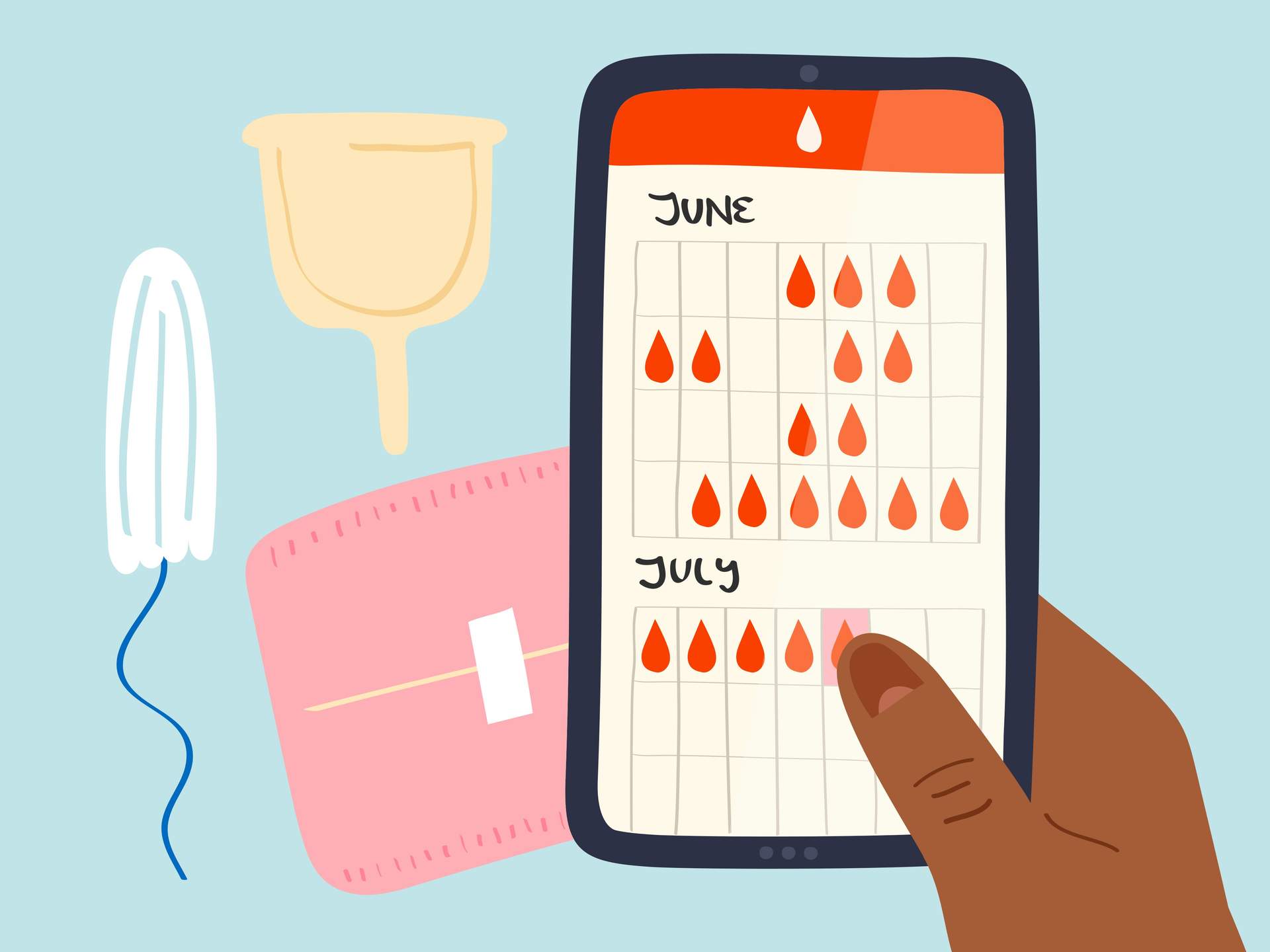
Use a smartphone app, traditional calendar, or journal to track your cycle. Note how each phase affects you, when you’re most productive, and when you need rest. This insight helps you align work tasks with your natural rhythm.
Hormones and Managing Work Stress
It’s key to notice how hormones and stress interact. Work stress can disrupt hormonal balance, so actively seek ways to reduce stress. Try relaxation techniques, yoga, or meditation to ease both stress and hormonal effects.
By tuning into your cycle and adapting to its natural flow, you can improve work performance and nurture a healthy work-life balance. Get to know yourself better and use these subtle shifts to make the most of every moment.