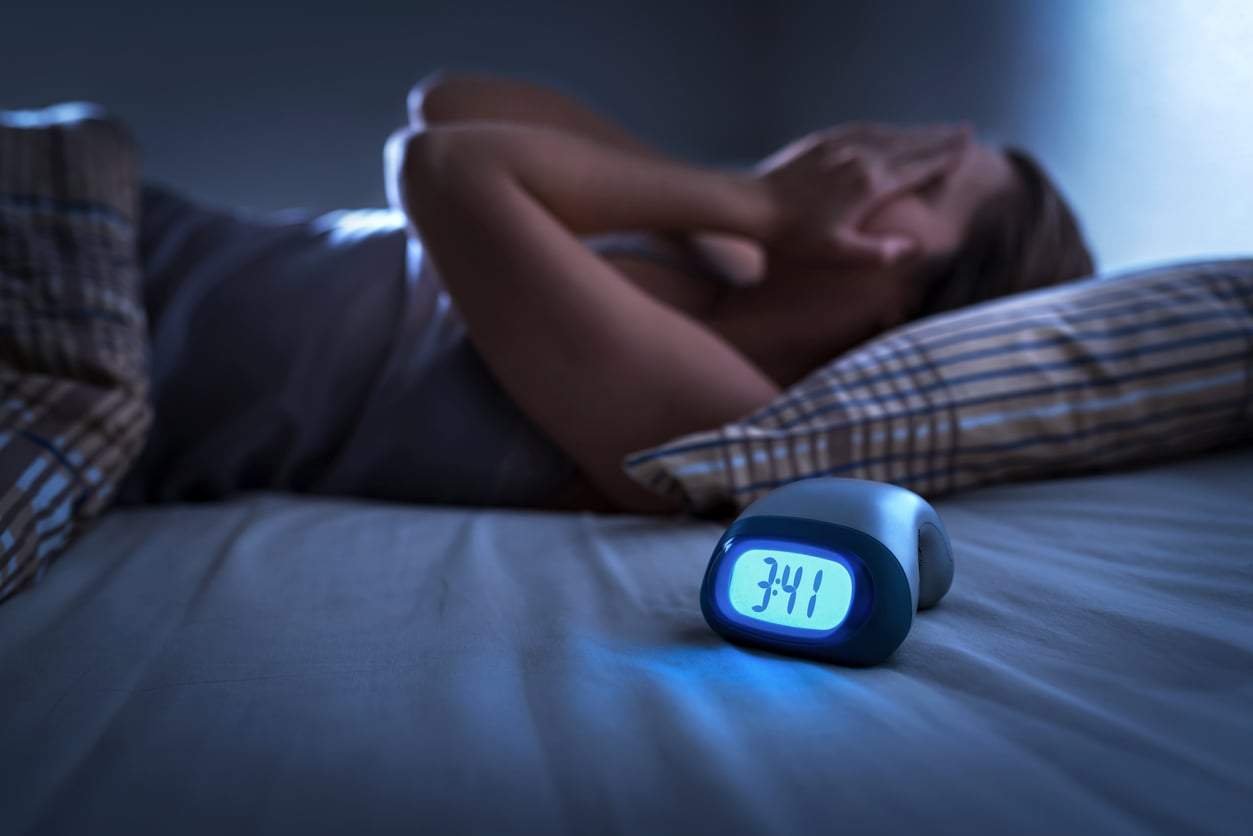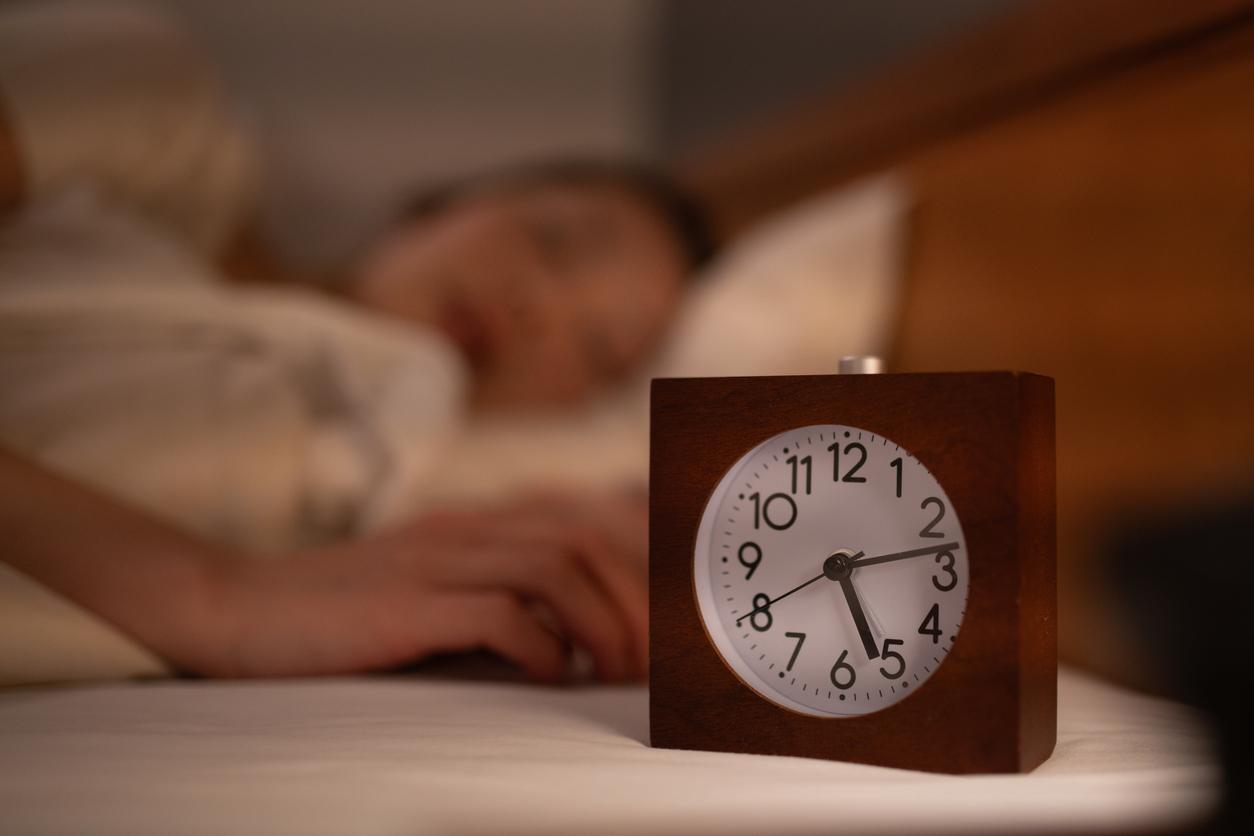
For many of us, smartphones have quietly taken control of our daily lives. We wake up to them, use them to pass time when sleep won’t come, and keep them within reach all day long. They’re the last thing we see before bed and the first thing we grab in the morning. But more and more people are moving their phones out of the bedroom and returning to classic, mechanical alarm clocks. Sleep experts say this isn’t just a nostalgic trend—it’s a change that brings real health benefits. Let’s explore what waking up phone-free feels like.
How Does Your Phone Disrupt Sleep?
Phones and their apps aren’t designed to help us relax—they’re built to grab and hold our attention. Dr. Emma Lin, a pulmonologist and sleep specialist, explains that phones stimulate the brain at the wrong time. “Phones activate the brain when it should be winding down,” she says.
A mechanical alarm clock doesn’t emit light, doesn’t tempt you, and doesn’t deliver unexpected notifications. This gives your brain a sense of safety, making it easier to fall asleep.
The Impact of Blue Light
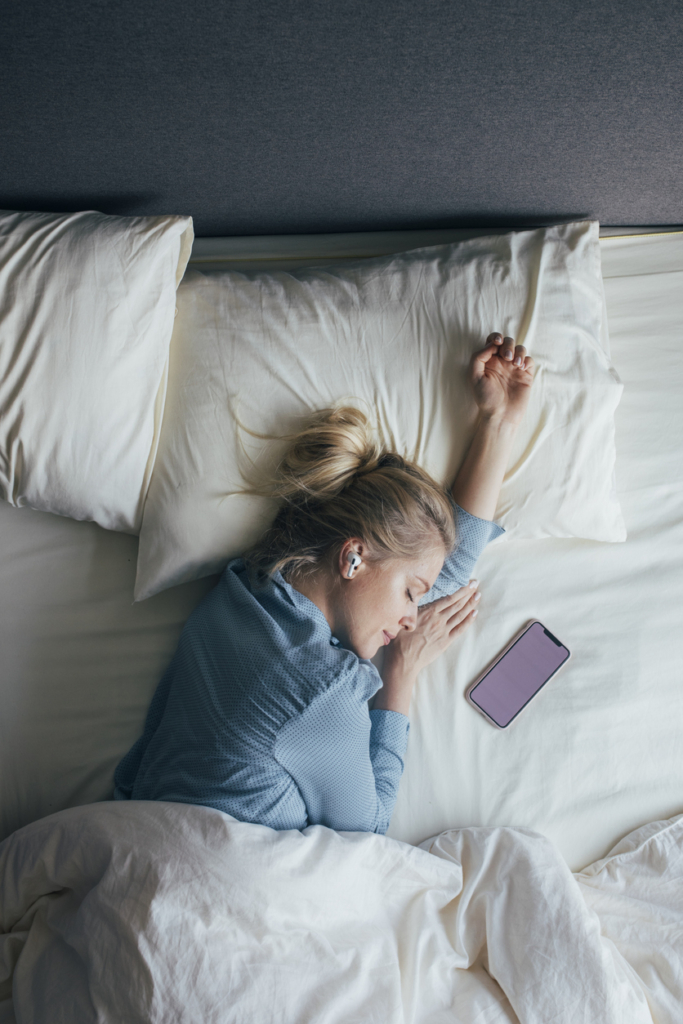
One of the biggest problems is the light. Phone screens emit blue light, which suppresses melatonin production. This hormone controls your circadian rhythm—basically, when you feel sleepy. When melatonin is disrupted, falling asleep becomes harder. Even small interactions count. Dr. Lin points out that just checking the time on your phone in the middle of the night can fully wake your brain. “This often leads to longer time falling asleep and overall less sleep,” she adds.

Constant State of Alert
Wellness expert Karen Ann Canham, who specializes in nervous system health, says phones create ongoing mental stress.
Phones have become a default source of stress: notifications, blue light, and an overload of information hit your nervous system when it should be slowing down.
Dr. Lin sees this often in her patients:
When the phone is in the bedroom, the nervous system stays on high alert. Your pulse is higher, and true relaxation doesn’t happen—even if you don’t touch the device.
This constant alertness can stop your body from reaching the deep, truly restorative stages of sleep.

What Changes When You Switch to an Analog Alarm Clock?
Leaving your phone alarm behind doesn’t just improve sleep quality. Many people notice a big difference in how they feel in the morning. “My patients who switch to manual alarm clocks often fall asleep faster, wake up less during the night, and feel calmer and fresher in the morning,” says Dr. Lin. Canham’s clients report similar benefits.
They experience deeper sleep, fewer nighttime interruptions, and a calmer morning routine—without immediately diving into messages or news.

A Calmer Wake-Up
When you wake up without a glowing screen and a flood of information, your nervous system can naturally shift from sleep to wakefulness. Dr. Lin says many people feel less rushed or stressed at this time.
My patients often say they feel fresher and more emotionally balanced. These are the signs of truly restful sleep.
Without a phone, waking up isn’t about instantly processing emails, news, and notifications—it’s a slower, more mindful transition.
Who Benefits Most from Kicking the Phone Out?
Almost anyone can gain from moving their phone out of the bedroom, but some groups notice changes faster. Dr. Lin says these people benefit the most:
- Those struggling with sleep disorders or insomnia
- People living with anxiety
- Individuals with sleep apnea
- Those with heart and lung conditions
“Lack of sleep puts extra strain on the body, especially the heart and lungs, so restful sleep is crucial for these people,” she emphasizes. Canham adds that those with sensitive or overstimulated nervous systems often see dramatic improvements. Parents and working adults can especially benefit from breaking the cycle of mental overload in the evening and morning.
Dr. Lin sums it up simply:
Good sleep doesn’t come from adding more technology. It comes from giving your body the quiet it needs to recharge.
As more people seek simple, sustainable ways to improve their health, the answer might be surprisingly low-tech: a quiet bedroom and an alarm clock that does just one thing—wake you up.