Then came the first month when I truly earned a significant amount. I won’t lie—I was on cloud nine, until I realized that as an entrepreneur, this isn’t a new state, just a moment. A great month doesn’t guarantee the whole year will be the same. (It wasn’t.)
That was the moment I started asking myself: why do I still want more? What’s the inner drive that won’t let me stop and enjoy what I’ve already achieved?
Every day, I feel lucky, and financial security is a big part of that. We were fortunate to build a stable life relatively young, so we don’t have to worry about replacing household appliances or whether to buy watermelon at the market. But when I shared this thought with my daughter’s dad (who’s a master at self-management), he immediately said, “That’s not luck, that’s hard work.” We agreed that both are true.
Partly, it was luck that we found each other in our twenties and started building our future together. But the life we live today is truly the result of a lot of work. Early mornings, sacrifices, constant adjustments still live vividly in my memory. The months we didn’t see each other because he was abroad, or those stolen half-hours when my daughter fell asleep and I’d already be at my desk working... The ongoing fatigue and constant balancing act—none of that shows from the outside.
When It’s Not Income but Spending That Changes You
The turning point wasn’t when our bank account grew, but when I started relating differently to the whole money matter. When I learned not just to earn, but to spend wisely what I worked hard for.
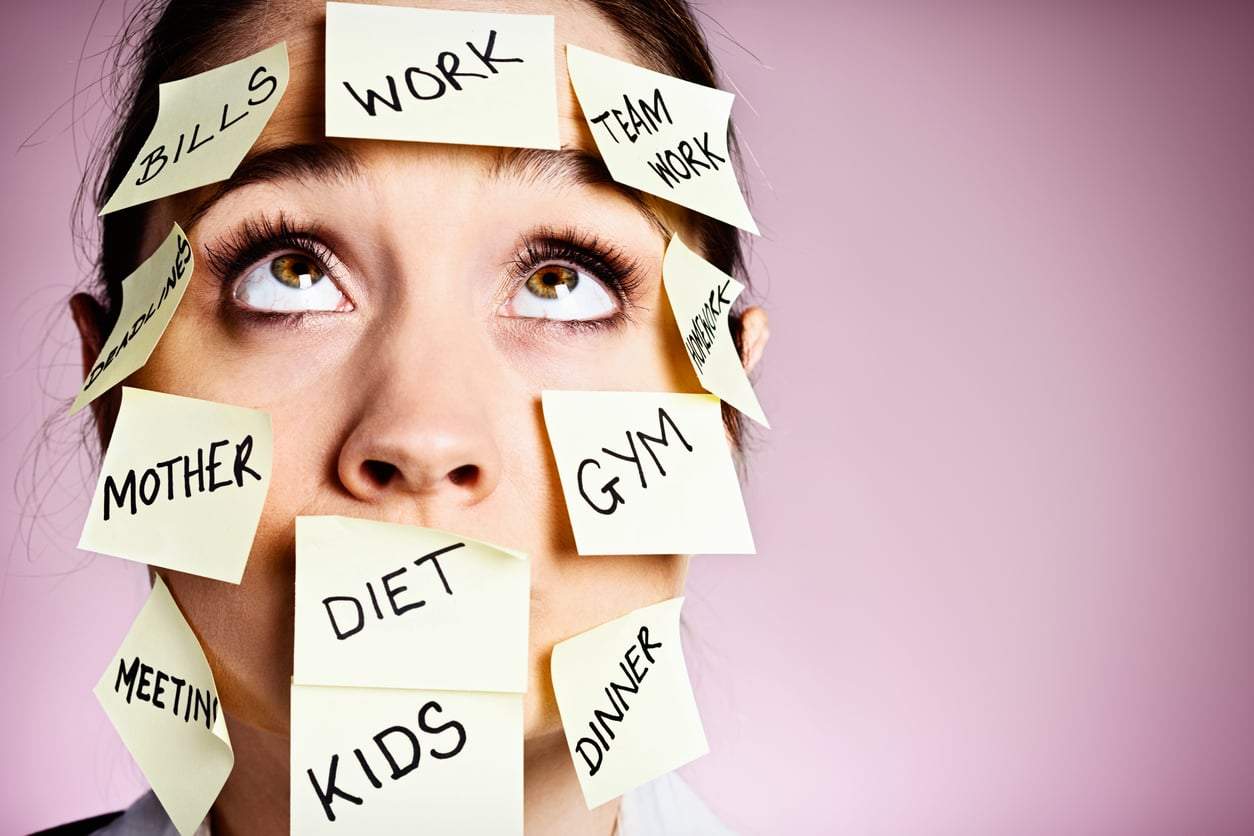
Every day, I see people earning incredible sums (tens of millions, even billions) who still aren’t happy. They’re stuck on a hamster wheel, running their own circles without noticing their best years slipping by. One, for example, delayed going to the doctor to save on private care—even though they drive a luxury car to work—and ended up with lasting damage.
Another friend literally got sick from overwork but still can’t stop because they don’t know what to do without their tasks.
That’s when it became clear to me: it’s not the money that matters, but our relationship with it. Essentially, who’s in control.
True Wealth Is Feeling Secure and Free to Choose
I’ve also thought a lot about what real financial security means to me. I realized it’s not luxury—I don’t crave it so much that when it occasionally crosses my path (like in service), it even makes me uncomfortable. Real luxury for me is not worrying if the fridge breaks down. Being able to travel when we want. Doing work that’s also my passion. And not having to count every penny when I sit down for a coffee. Security means having the freedom to choose. Not having to give up what I want. These conditions are met with the income we can count on every month.
How I Crossed the "Income Finish Line" Without Even Noticing
What’s my takeaway? The mental well-being impact of money doesn’t depend on how much you have. An Australian study showed that people who regularly save or simply pay their credit card bills on time enjoy better mental health—no matter their income. Predictability and knowing you’re in control of your finances are freeing in themselves.
Today, I’m no longer driven by “more.” Instead, I want to use the money I earn meaningfully. I spend on experiences, not things. On trips, family memories, and recharging.
Because if anything happens tomorrow—and it can—I don’t want to feel like I missed out on life’s best moments chasing a certain amount of money.
I know this isn’t granted for everyone. But I also know that often it’s not lack of money holding people back, but fear. Fear of the future, of what will happen if it runs out or we don’t find new opportunities. That’s why I worked on having not just money, but self-confidence and flexibility. So I know: if a tough time comes, I won’t break—and I’ll find a way.
I thought money would bring the inner peace I was searching for, but in the end, I gave it to myself by understanding what truly matters. That I’m enough not because I earn a lot, but because I know what I want—and most importantly, I notice when I have it.