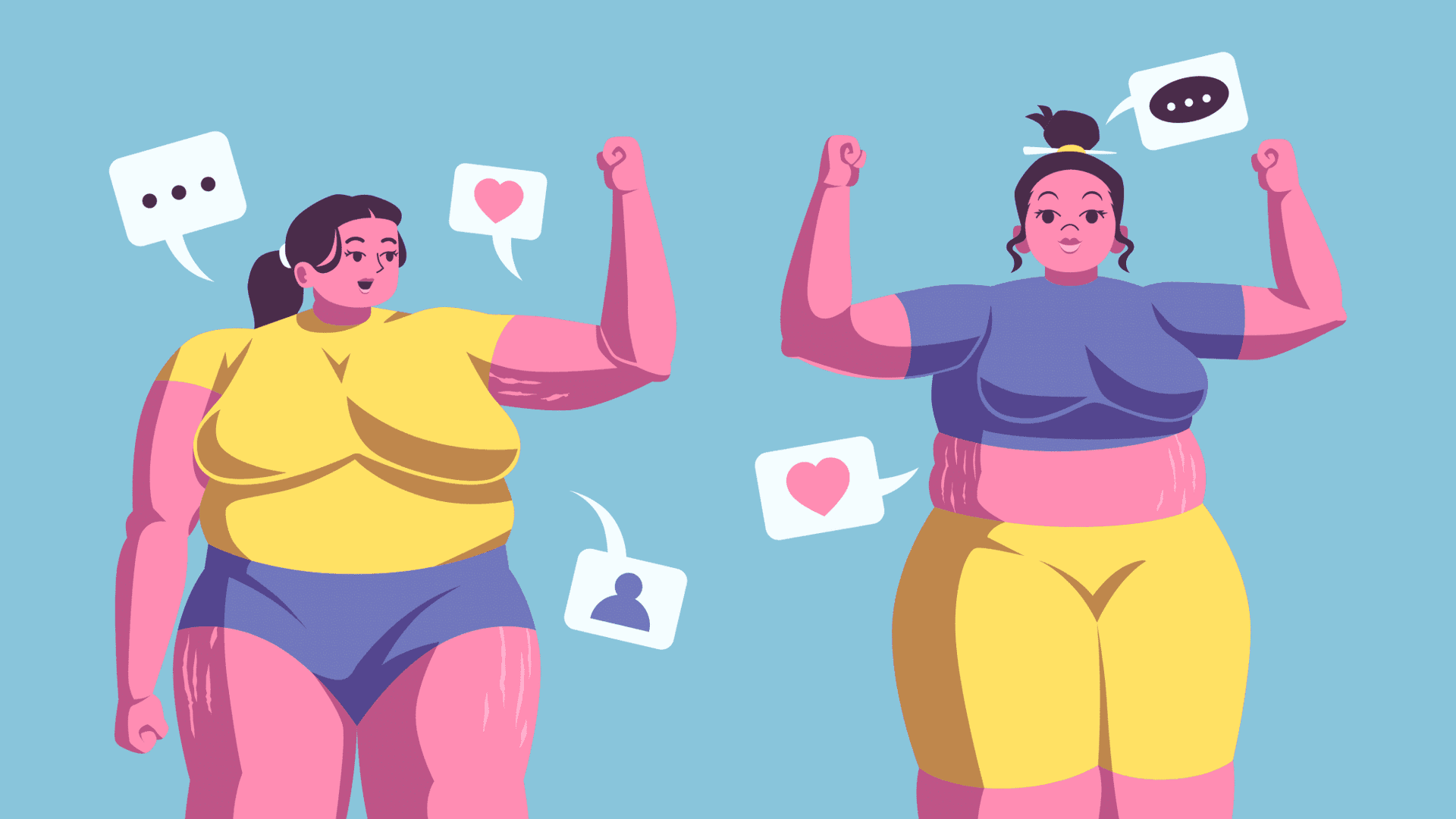
Like any sane person, I found this movement incredibly important—even though my body type is what the toxic beauty ideals-shattering media calls “lucky.” Because having a slim waist or long legs doesn’t save me from a capitalist society trying to sell me something. And it can only do that if it makes me feel bad about myself. That’s why I easily empathized with women whose bodies looked different from the girls on magazine covers and who might have felt less beautiful or desirable because of it.
But making someone feel bad about their own body is one of the cruelest and, let’s be honest, sickest things we can do to each other as a community.
That’s why I’m still a proud supporter of the body positivity movement, which bravely fights a windmill battle against the media flood to remind us all that beauty comes in many forms.
It sounds crazy, but by the time this movement finally became popular, it had become revolutionary to think that a woman can love her own body, be proud of it, and not depend on others’—especially men’s—opinions. Self-acceptance can bring not only personal freedom but also mental healing. Our bodies are not enemies, projects, or collections of flaws to hide. They are our homes.
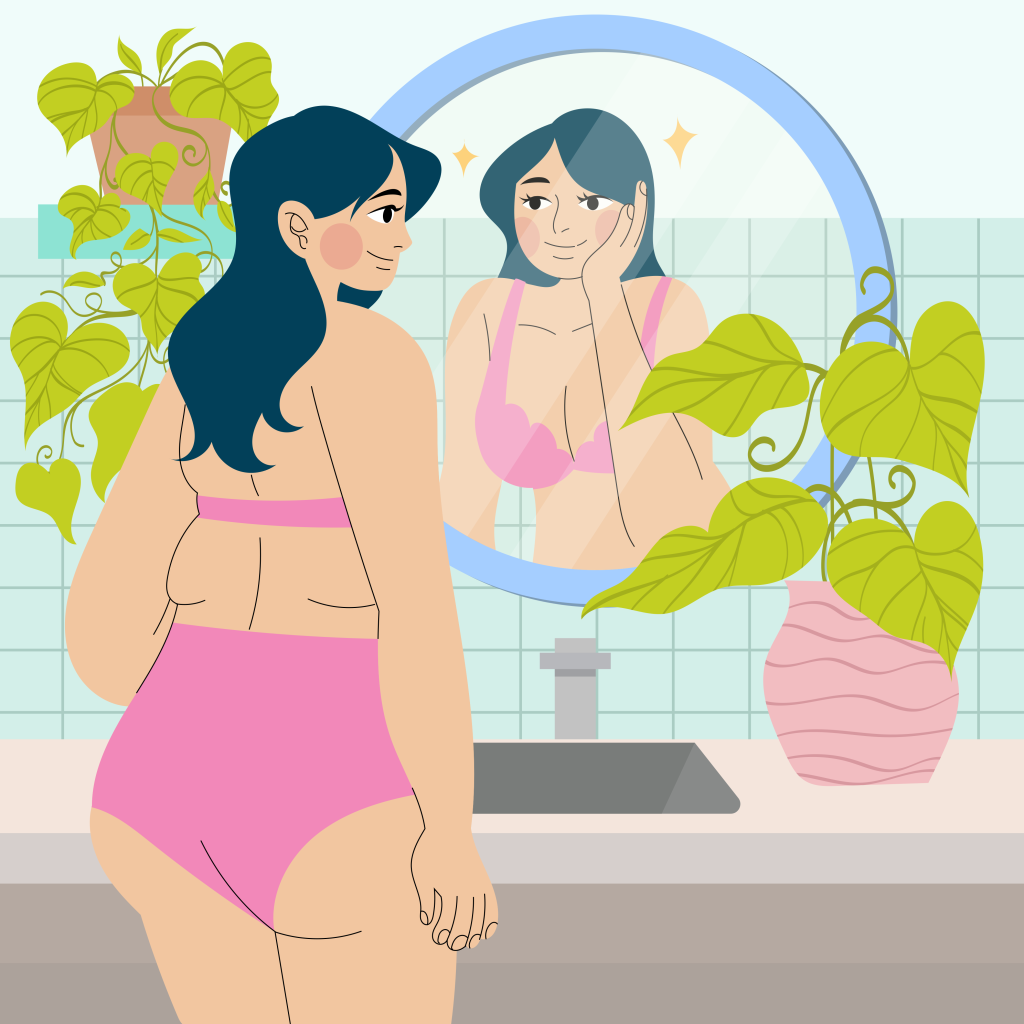
Body positivity isn’t about making others feel bad
Body positivity is one of the best and most important things to happen in recent years. That’s why it hurts so much when I see it twisted, disrespected, and used to make women with different body types feel bad in their own skin.
I’m seeing more and more comments that hurt women who happen to fit previous beauty ideals: slim, athletic, or model-like women who never did anything wrong—they just look like that.
I’ve heard comedians joke on stage that “men actually prefer curvier women, not those who look like a frying pan handle.” The audience laughed. I sat there feeling like it wasn’t a joke but another body caught in the crossfire of expectations. This time not for being too big, but for being too slim. What if the joke was about a plus size woman? In today’s PC climate, that performer would rightly be taken off the stage.
I’ve also seen comments under photos of classic female nude sculptures calling it “body shaming” just because the sculpture’s body was proportionate, smooth, and firm. As if simply showing such bodies is a crime today. But isn’t the point to accept that the female body can look many different ways?
Some bodies are full, some are firm, some have prominent breasts, and some stay boyish forever—if we just shift the focus from one beauty ideal to another but keep judging women’s bodies, what real change are we creating?
That makes me wonder: where did the original core of body positivity go? That every body is valid. That we can be lovable, proud, and whole people no matter our shape.
Body positivity shouldn’t be about criticizing others’ bodies. We don’t need to set up a new beauty dictatorship—this time the opposite of the old one. The goal is to finally break free from all dictations.
For centuries, patriarchal thinking defined a woman’s value by how attractive she was to men. Now we have the chance to shake off that idea—but only if we work for each other, not against each other. If we realize our bodies aren’t arenas for others’ judgments but carriers of our own lives. And that doesn’t depend on our weight, hips, skin, or breast size.