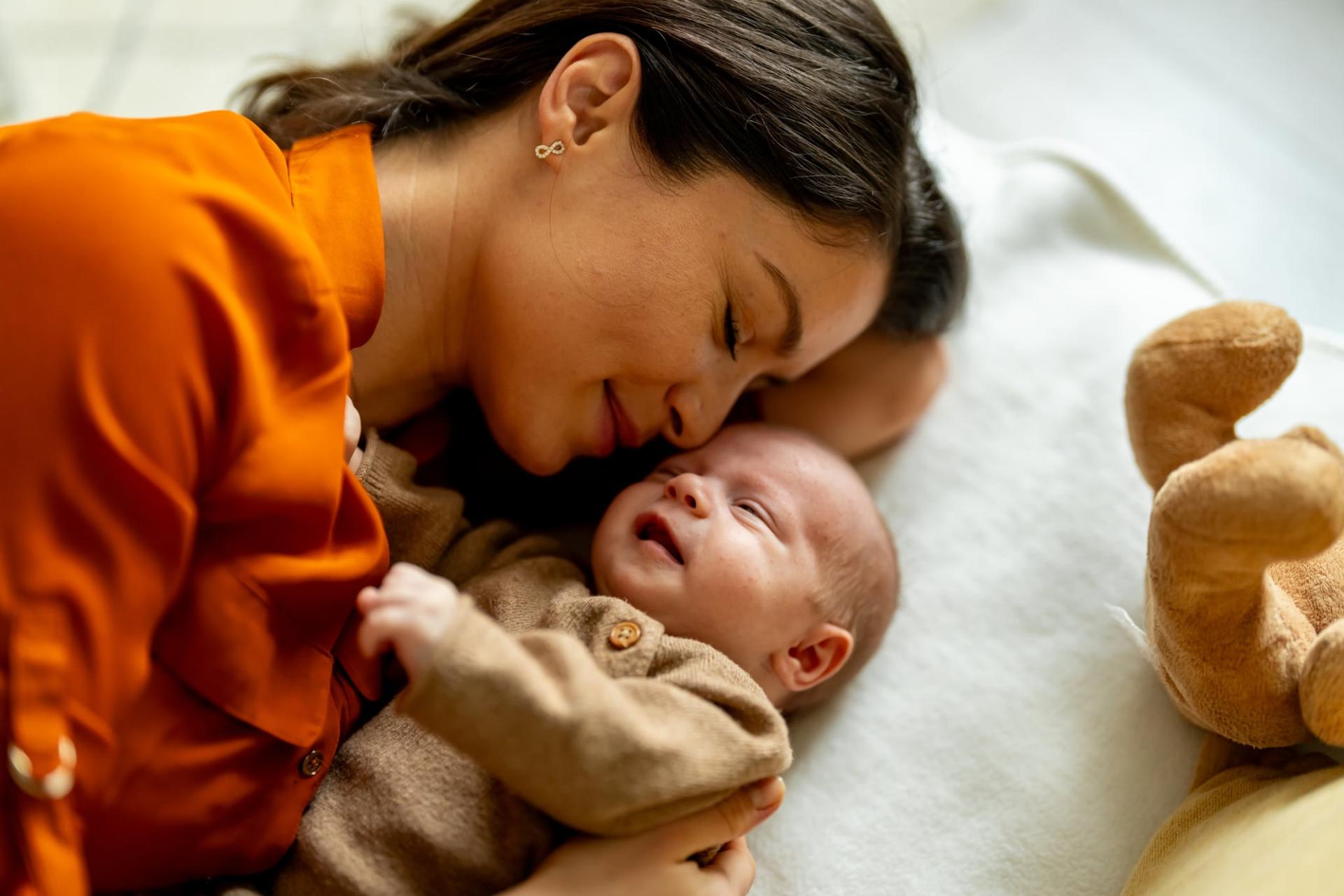
Among my friends who are also raising kids, there’s often talk about a popular idea online: we’re the generation breaking the cycle.
We’re the ones who don’t have to endure apocalyptic wars (at least for now) like our great-grandparents, don’t have to build from nothing like our grandparents, and focus on more than just meeting our kids’ physical needs like maybe our parents did.
We’ve reached a level of comfort where we can focus on the top of Maslow’s pyramid: emotional safety, coping skills, and managing feelings. We want to teach our kids tools to build a healthy relationship with their emotions.
Tools that maybe we never got handed.
Early on, I realized motherhood is a journey of learning about myself too. To be the mom I want to be for my daughter, I have to invest time and energy in my own growth.
That’s not always easy—especially because it means admitting when I mess up. And few things hurt more than realizing that despite my best efforts, I didn’t nail a role that feels more important than any other I’ve had.
But a bad mom isn’t one who makes mistakes. A bad mom is one who makes mistakes and refuses to grow from them.
Everyone knows kids look to their parents as their first role models. Sure, the teenage years will bring some inevitable clashes, but the values we share now, in early childhood, will shape my daughter well into adulthood.
So I try not just to preach but to lead by example: I want her to resist media pressure and love her body, so I don’t criticize mine. I want her to stand up for herself, so I face conflicts head-on when needed. I want her to grow, make mistakes, and apologize, so I also say sorry when I feel I mishandled a situation.
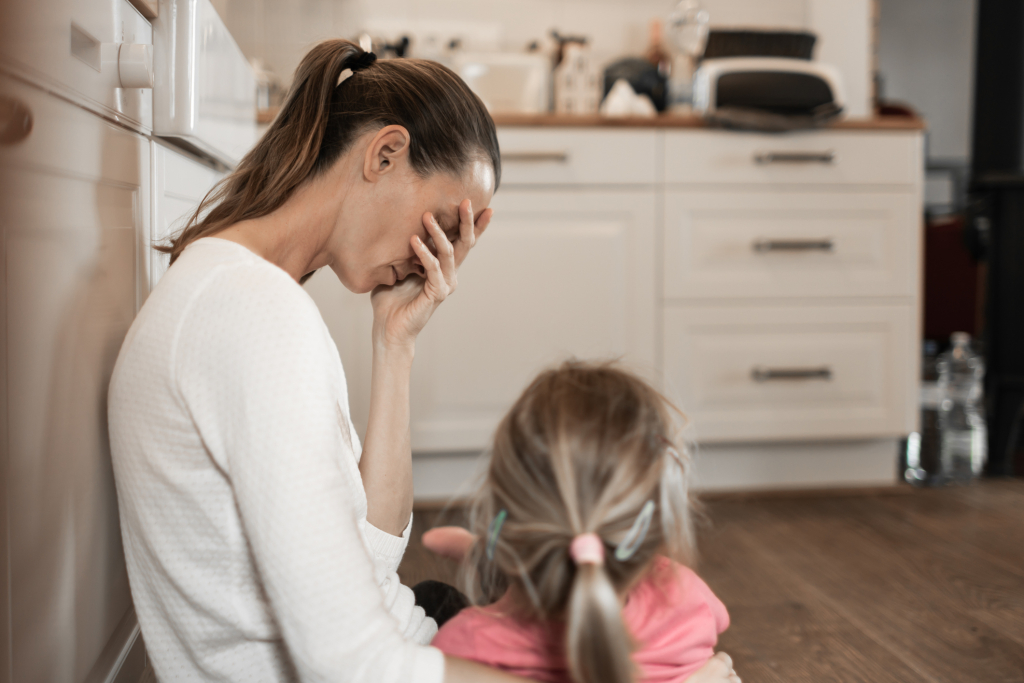
Still, there’s one area where I feel many of us resist expressing our own needs. Staying up at night with a newborn, chasing after a toddler, or spending weeks shuttling between work and playgrounds without a moment’s peace can be physically and mentally draining.
Admitting we’re exhausted, needing a few hours alone, and wanting our child to just be quiet for a bit—even though we love them—is incredibly hard.
Maybe it’s the fear of not being there every minute to meet every need. Maybe it’s the voice inside saying, “Others don’t get this kind of help,” or “Someone else has X more kids,” so our own exhaustion doesn’t feel justified.
But one thing I’m sure of: I don’t want my daughter to grow up feeling she can’t ask for help. That she can’t speak up when she’s emotionally drained. That she has to break down because she doesn’t recognize her limits—or feels weak if she does.
Right now, I’m still there to notice, to speak up, to switch to quieter activities, or tuck her into bed early when I see she’s getting too tired. But one day, she’ll have to recognize and meet these needs herself. I can only teach that by showing it. And yes, some days dinner will be pizza and the Little Mole will play on YouTube instead of a puppet show. Because mom is tired. And mom has every right to be.
Opening image: ljubaphoto/istockphoto.com