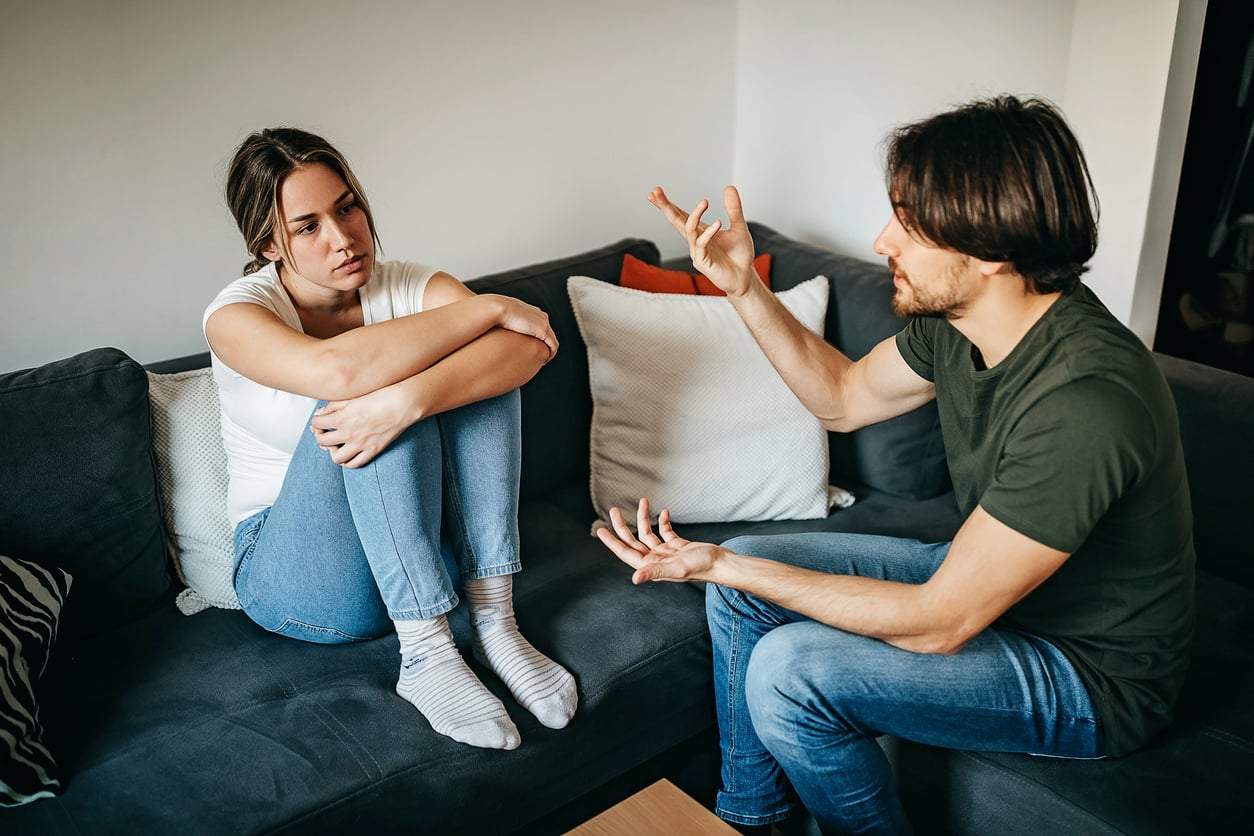
There's a moment in every relationship when you finally see who you're really dealing with. Not on a romantic getaway, not over a cozy family dinner — but right in the middle of a fight.
How your partner behaves in that moment says more about them than any grand romantic gesture ever could.
Psychologists have spent years studying what separates healthy couples from those who slowly wear each other down. And the answer isn't the absence of arguments — it's how those arguments unfold. An emotionally mature partner isn't someone who never raises their voice. It's someone who manages to stay human even in the heat of conflict.
They listen before they respond
One of the clearest signs is active listening. This isn't just staying quiet while the other person talks — it's genuine attention. They ask follow-up questions, they summarize what they heard, and only then do they react.
If your partner can pause and say they want to make sure they really understand what you mean before jumping to their own defense, that points to serious emotional awareness.
Less mature communication usually looks like the opposite: the other person is already forming their reply halfway through your sentence, and from that point on they're not really listening — they're just waiting for their turn.
They validate your feelings before offering a fix
One of the most disarming signs of emotional maturity is when a partner doesn't rush to hand you a solution. Instead, they first acknowledge that what you feel is valid.
A simple line — that they understand why you're upset or hurt right now — releases a surprising amount of tension before you even start solving the actual problem.
Being able to say "it makes sense that you feel this way" is often more important than any concrete solution.
They use "I" statements instead of blame
There's a subtle but telling difference between someone saying "you're always late" and someone saying "it makes me feel bad when I have to wait." The first is an attack. The second is an honest expression of a feeling.
An emotionally mature partner tends to choose the second form, because it doesn't force you into defense mode — it invites you into a conversation.
It may seem like a tiny thing, but over time this is exactly what decides whether your arguments build the relationship up or slowly tear it down.
They can ask for a break without running away
There's a big difference between storming out of a fight in anger and calmly saying they're too worked up to think clearly right now, so they'd like ten minutes before coming back to it.
A mature partner doesn't flee from conflict. They consciously manage their own overwhelm — and then they actually come back, just like they promised.
They don't drag old wounds into a new fight
One of the most reliable measures of emotional maturity is whether your partner can stay on the current topic without dredging up something that happened three months ago.
When someone packs a whole list of past grievances into every argument, it usually means the old wounds never truly healed — they were just tucked away beneath the surface.
They apologize without making excuses
An apology that comes with a "but" isn't really an apology at all. Mature communication shows itself when a partner can take responsibility for their own part — even while feeling they have legitimate grievances too.
This doesn't mean giving up their side of the story. It just means they don't make their apology conditional.
Together, these signs create the kind of trust where arguments stop feeling like a threat and start becoming an opportunity for two people to understand each other more deeply.
What makes a partner emotionally mature during arguments?
It's not the ability to avoid conflict, but how they handle it: they listen actively, validate your feelings, take responsibility, and stay focused on the issue at hand instead of attacking you.
Is it a bad sign if my partner asks for a break during a fight?
Not necessarily. There's a difference between angrily storming off and calmly asking for a short pause to cool down. A mature partner comes back to finish the conversation, just as they promised.
Why do "I" statements matter more than they seem?
Saying how something makes you feel, rather than accusing your partner, keeps them from going on the defensive. Over time, this small shift decides whether arguments strengthen or slowly erode your relationship.
Why shouldn't old arguments be brought up in a new one?
Constantly recycling past grievances usually signals that those wounds were never truly resolved. Staying on the current topic shows emotional maturity and keeps the conflict from spiraling.