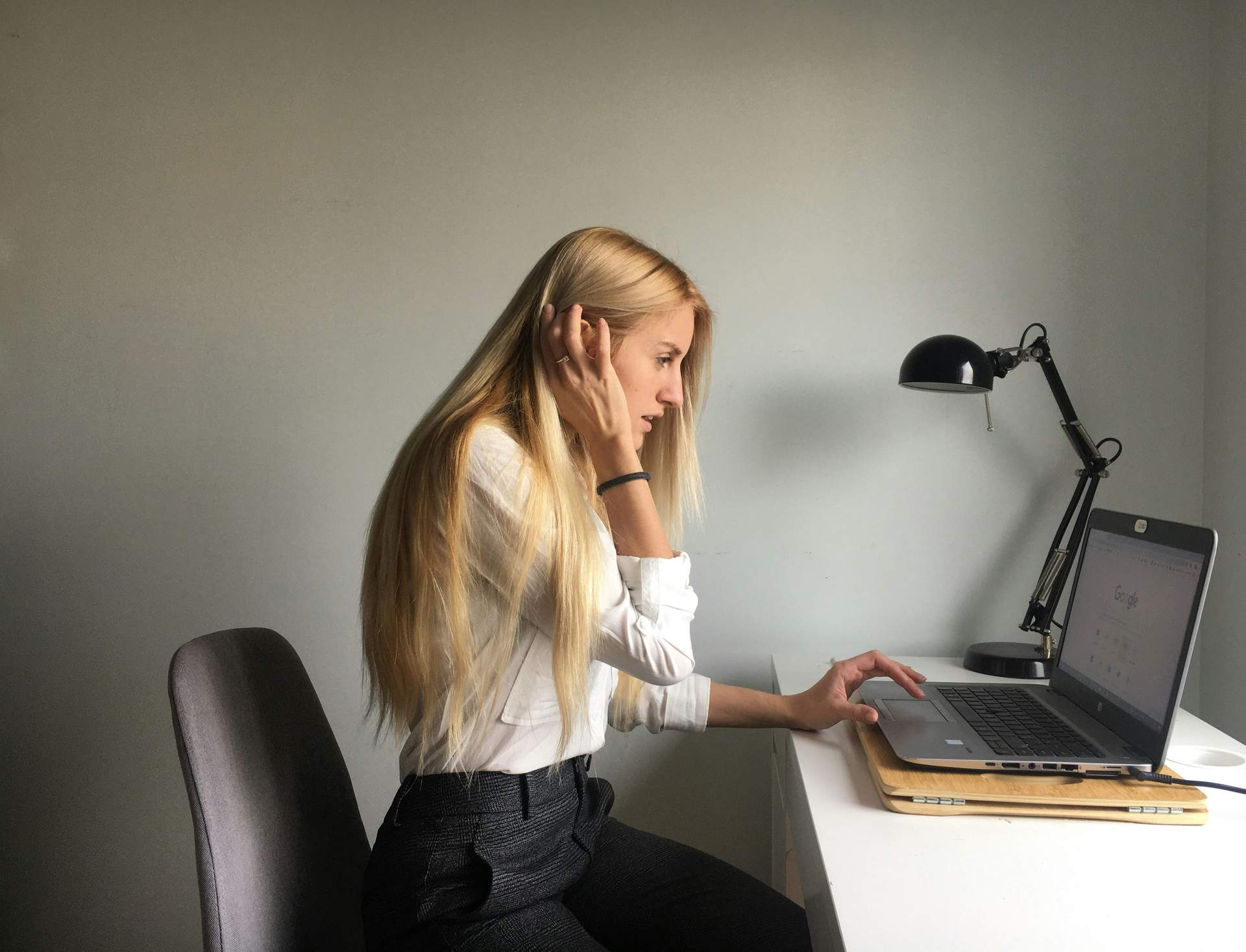
Back pain has subtly become part of our everyday routine, reaching such levels that many consider it a modern epidemic. We sit for long hours, hunch over our phones, rush around, and stress out – and sooner or later, our bodies send signals. To understand the root causes and learn simple steps you can take at home to ease it, we chatted with Marci Bakonyi, a sports rehabilitation specialist and massage therapist.
The Real Causes of Back Pain: The Sitting Trap
Marci points out that the root of the problem usually isn’t just one thing, but a combination of small bad habits adding up.
“The most common causes include a sedentary lifestyle and desk work, which lead to muscle weakening and posture issues. Poor posture, excess weight, muscle tension from stress, and sudden, awkward movements causing strain are also frequent triggers.”
So, everyday habits alone can set the stage for back pain – but the good news is, these are exactly the areas where you can make the biggest improvements.

Simple Home Exercises: Effective Without Equipment
According to the expert, the solution is often closer than you think:
“Strengthening and stretching your core muscles at home is key. Easy but effective moves include pelvic tilts, glute bridges (lifting hips into a bridge position), and various spine stretches. These simple stretches can be done at home without any equipment.”
These movements not only relieve pain but also help make your spine stronger and more resilient over time.

Phone Use, Slouching, Screen Time: Small Habits, Big Impact
Everyday posture mistakes often go unnoticed. As Marci explains:
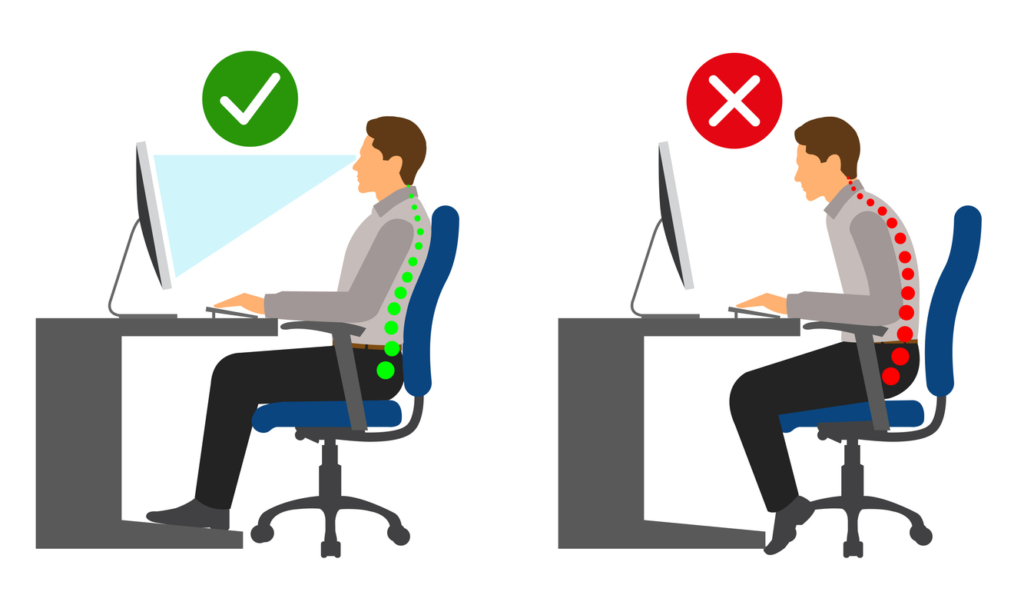
“Long periods of sitting and phone use cause the head to lean forward, putting extra strain on neck and back muscles. This can lead to chronic tension and pain. Over time, poor posture can even change the natural curve of your spine.”
That’s why adjusting your monitor height, raising your phone, and standing up at least once an hour are small but powerful changes that can make a big difference over time.

Which Massage Really Helps?
When it comes to easing tension, the technique matters. The expert says:
“Basic massage techniques are great for relieving tension and very effective. For deeper, chronic muscle knots, trigger point therapy is a smart choice—it targets tight, painful spots and improves circulation.”
When Is Back Pain a Sign of Something Serious?
Most back pain is harmless, but some warning signs shouldn’t be ignored.
“Watch out if the pain doesn’t ease with rest, radiates into your limbs, or comes with numbness or muscle weakness. In those cases, it’s important to see a spine specialist for an accurate diagnosis.”
Spotting problems early can even prevent more serious interventions.
Ergonomics at Home and Work: Small Choices, Big Difference
It’s not just movement but your environment that matters.
“Good ergonomics are essential. Choosing a quality, spine-supporting mattress, wearing comfortable, supportive shoes, and using a lumbar support or special cushion on your office chair all help maintain good posture. Avoiding excess weight is also key for proper posture and easing spinal load.”
These changes don’t require big investments but can transform your daily comfort.
Make Back Pain Prevention Part of Your Daily Routine
Finally, we asked how to fit all this into a busy, hectic life. Marci says consistency and movement are key.
“Add short stretching breaks during work, stand up at least once an hour, and pick a sport or activity you enjoy doing two to three times a week (like pilates, running, or strength training). Balanced, mindful eating and staying hydrated are also part of a healthy lifestyle.”
So, the solution often lies in steady, small steps.