Night sweats frequently lead to uncomfortable awakenings and affect many people’s lives in a bothersome way. While nightmares and an overheated bedroom can sometimes cause sweating, often other factors are at play. Night sweats can be a deeper, more complex issue than we might first think. If you regularly wake up soaked in sweat, it’s worth exploring the possible causes.
Hormonal Changes and Their Impact on Sweating
Hormonal shifts, especially hot flashes during menopause, often trigger night sweats.
Hormone fluctuations can cause women to sweat when their body’s temperature regulation isn’t running smoothly.
This isn’t just a middle-aged woman’s issue! Young women may also experience similar symptoms at different points in their menstrual cycle, as hormone levels like estrogen and progesterone shift dramatically.
Men can face similar challenges. Testosterone fluctuations can also cause hot flashes and night sweats. If these symptoms persist, it’s important to check in with a doctor, since they could signal more serious health concerns.
Health Conditions Linked to Night Sweats
Certain illnesses like an overactive thyroid, some cancers, or infections can cause night sweats. An overactive thyroid speeds up metabolism due to excess hormone production, often leading to sweating. If you find yourself frequently changing clothes at night because of sweat, a medical check-up might be needed. Infections such as tuberculosis or HIV can also contribute.
Cancers, especially lymphomas, can have night sweats as an early symptom. This is particularly true when the cause of sweating is unclear. In such cases, further medical evaluation is essential to rule out or confirm serious conditions.
Side Effects, Medications, and Lifestyle Factors
Sometimes, medications like antidepressants can cause night sweats by affecting the body’s temperature control. Don’t overlook alcohol or caffeine, which can also increase sweating. For some, regularly sweating after spicy meals might be a clue to watch for underlying causes.
Stress, unspoken anxiety, or high daytime activity can also trigger sweating at night. Facing stressful situations close to bedtime makes night sweats a common reaction.
Environment and Habits: Other Possible Triggers
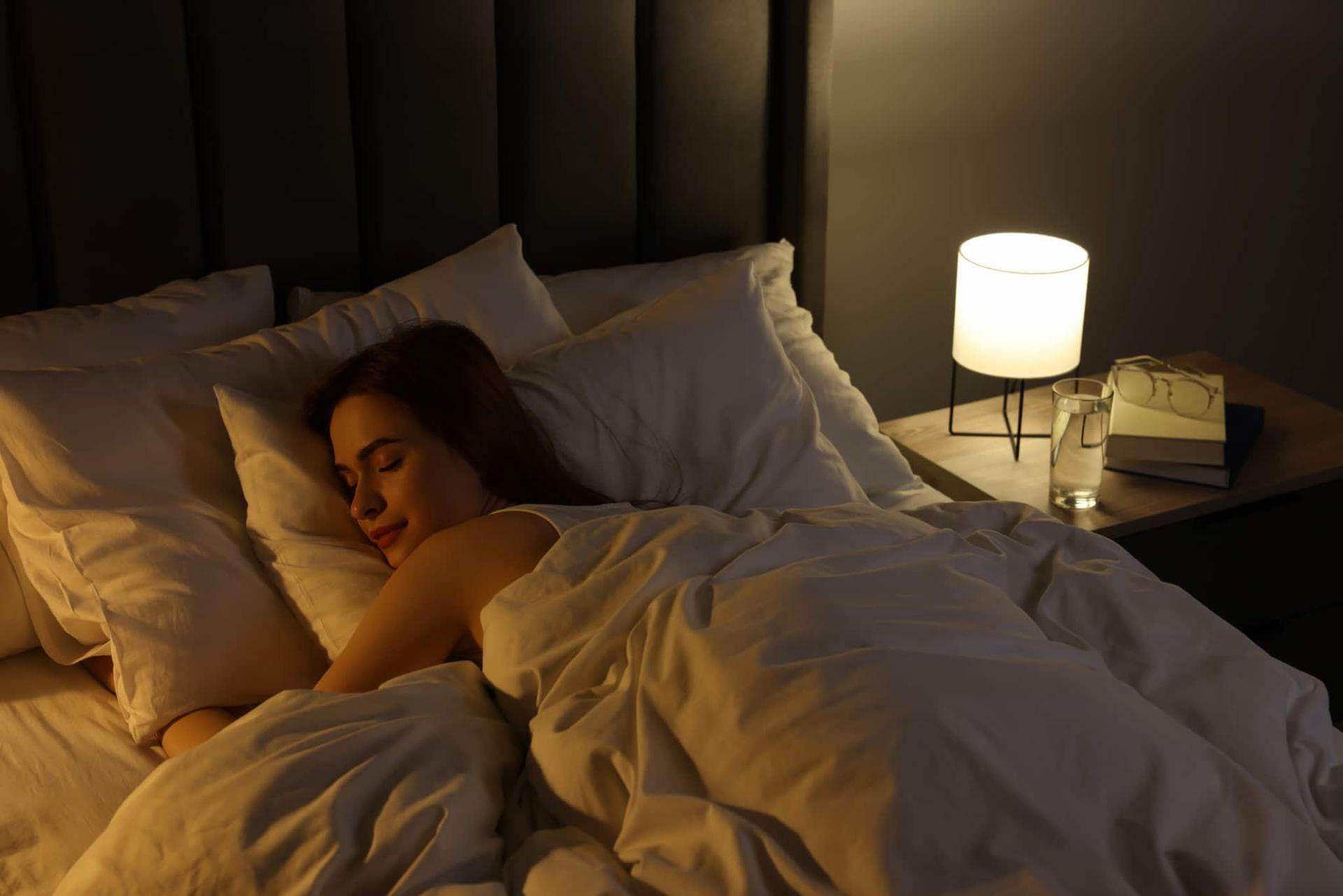
Your sleep environment plays a big role in night sweats. An overheated bedroom, non-breathable bedding, and heavy blankets can easily cause intense sweating. Choose breathable fabrics and keep your bedroom temperature comfortable!
Sometimes, your own sleep habits contribute. An uncomfortable mattress or pillow, poor sleeping positions, or eating a large meal before bed can all trigger sweating. Establishing a calming bedtime routine can help ensure restful, sweat-free sleep.
Improving Quality of Life: What You Can Do About Night Sweats
Identifying what triggers your night sweats is a key step in managing them. Discover what’s behind your sweating and work on changing your environment. Recognize stress and lifestyle habits, accept hormonal changes, and seek medical advice if needed.
Though it may seem complex at first, consistent sleep routines, a comfortable environment, and mindful lifestyle choices can greatly improve sleep quality and reduce night sweats. Set a schedule, avoid alcohol and caffeine before bed, and keep your bedroom at an ideal temperature. These simple steps can make a big difference.