Even the calmest, most balanced dogs can feel stressed sometimes, which can make life harder for them—and their humans. That’s why it’s so important to recognize the signs that your furry friend might be anxious, so you can offer the right kind of support.
Behavioral Changes

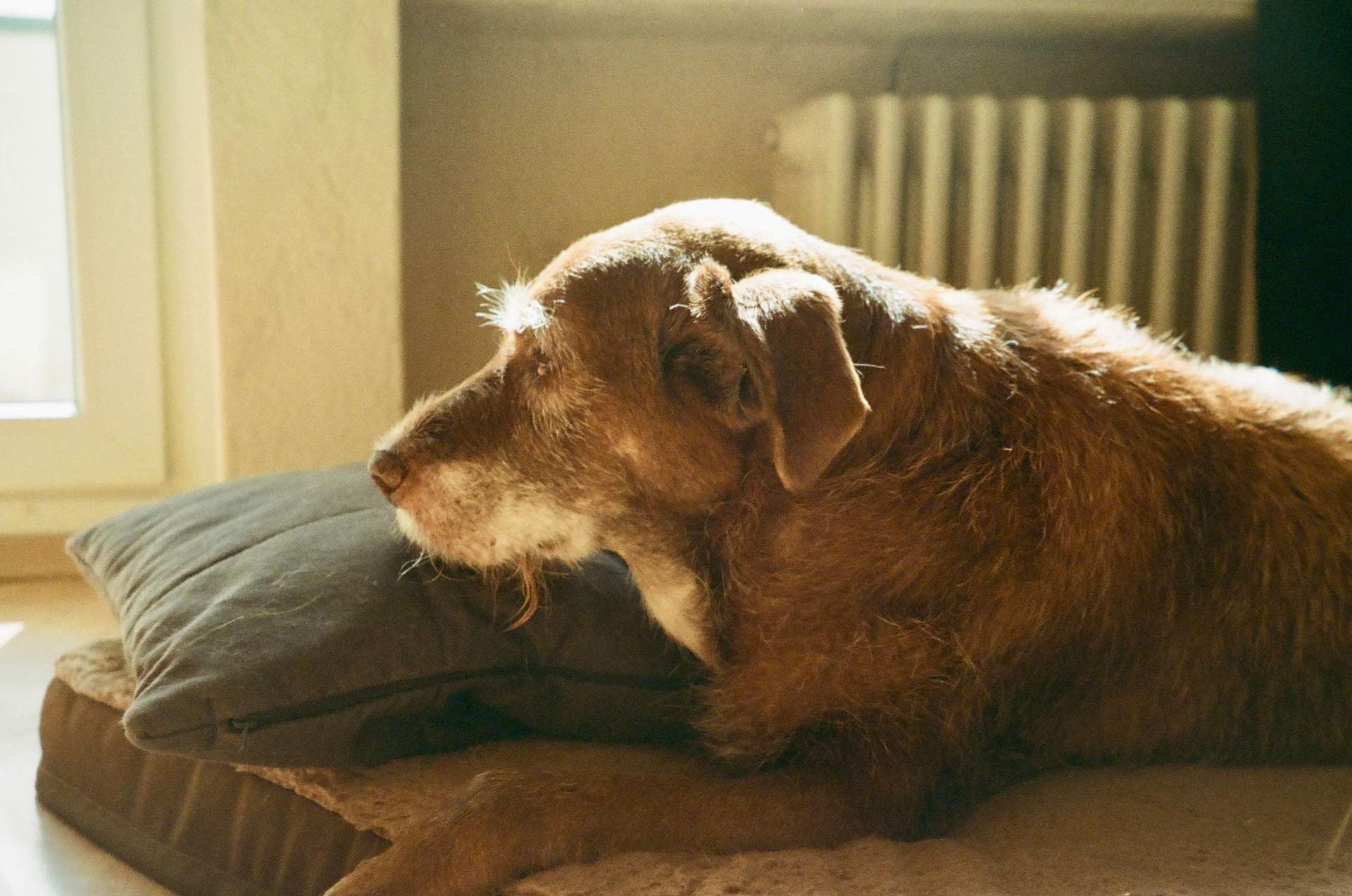
You’ll often notice anxiety first through changes in your dog’s behavior. If your dog becomes unusually withdrawn, hides more often than usual, or on the flip side, becomes overly clingy and dependent, it’s time to pay attention. Anxious dogs often avoid social interaction or seek excessive attention—both are early warning signs that something’s off.
Sudden aggression is another red flag. If a normally gentle, calm dog starts growling or tries to snap at other animals or people, anxiety could be the cause. Aggression can be a way for your dog to cope when feeling threatened.
Physical Symptoms
Anxiety often shows up physically, so watch for these signs. Trembling or shaking is common—not just from cold, but as a physical response to stress. If your dog shivers without a temperature drop, emotional causes are likely.
Heavy panting that isn’t linked to heat or exercise can also signal anxiety. If your dog pants a lot while resting, it’s a stress response. In these cases, try to identify the source of anxiety and consult your vet or a specialist for guidance.
Changed Sleep Patterns
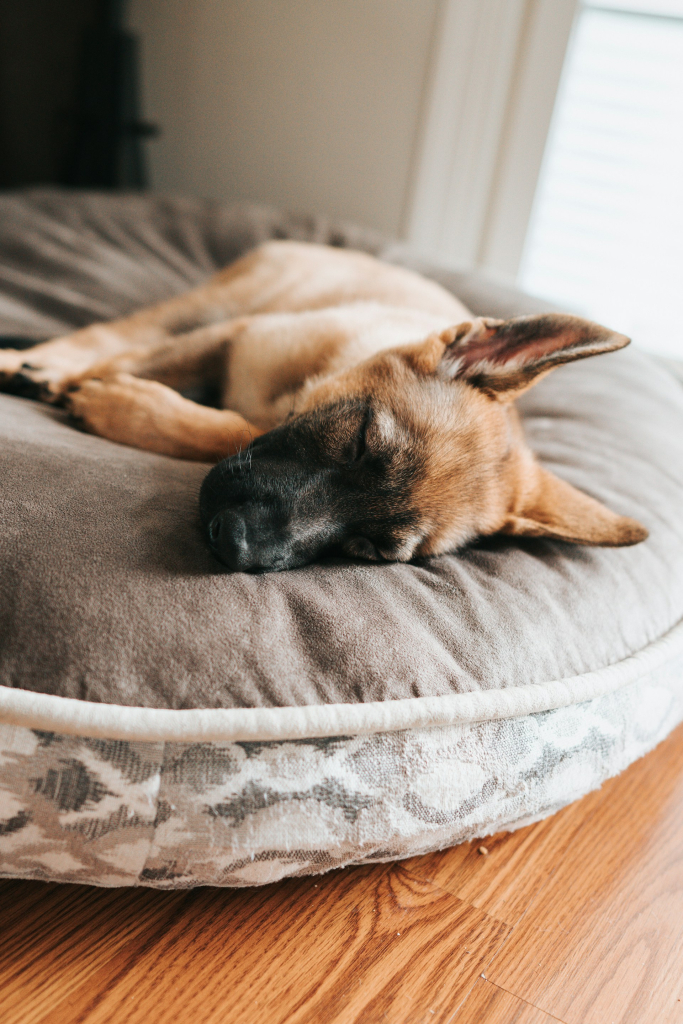
Your dog’s sleep habits can shift under mental strain. More sleep than usual—or the opposite, restless nights—can be warning signs. Insomnia or excessive sleepiness often point to emotional struggles, and if these persist, they can affect your dog’s health.
If a dog who used to sleep soundly suddenly becomes restless, tosses and turns, or wakes up frequently, anxiety might be at play. Causes could include stress from a new environment, loud noises, or even financial worries affecting the household.
Appetite Changes and Digestive Issues
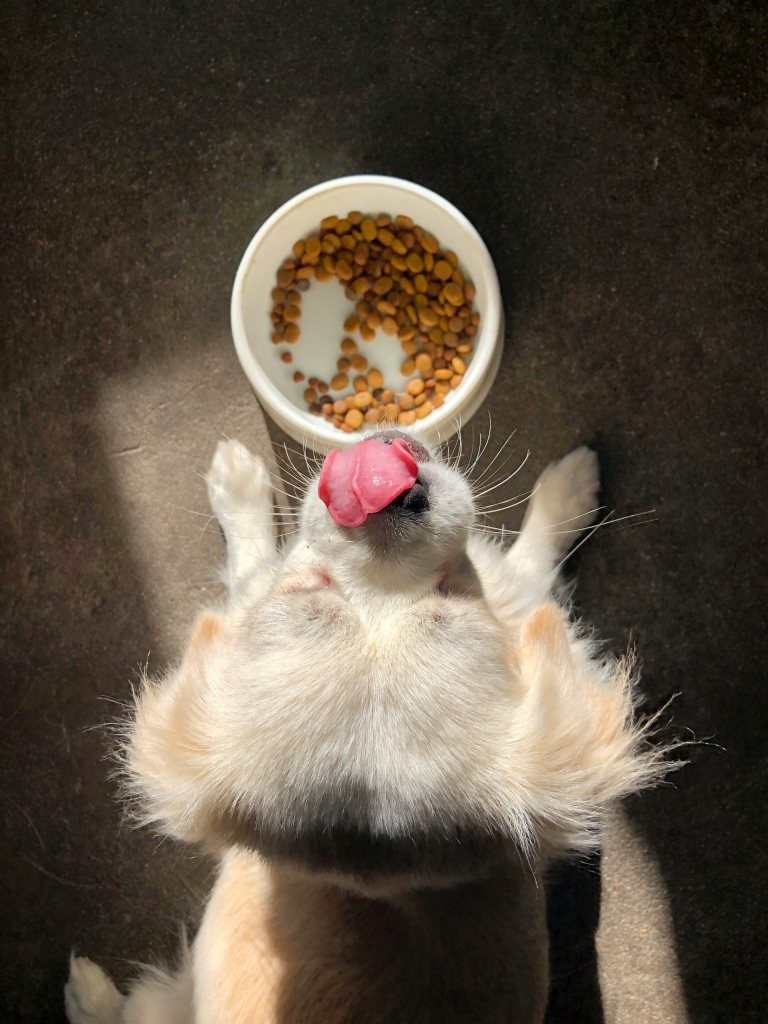
Anxiety can also change your dog’s eating habits. A loss of appetite is often one of the first signs that your dog is feeling stressed. If your dog suddenly loses interest in food or eats sporadically, anxiety might be the cause.
Digestive problems are common in stressed dogs too. Sudden diarrhea or vomiting can be linked to mental strain, so these symptoms deserve close attention. Don’t ignore digestive issues—if they persist, reach out to your vet.
Tips for Managing Stress
Recognizing these behavior changes is just the first step to helping your dog feel calmer. One of the best ways to ease stress is increasing physical activity. Regular exercise and long walks help burn off excess energy and promote a peaceful state of mind.
Mental stimulation matters too. Interactive games and training sessions keep your dog engaged and distracted from stress triggers.
Don’t forget balanced nutrition! Your dog’s diet plays a big role in mood and energy, so providing wholesome, balanced meals is key to reducing stress.