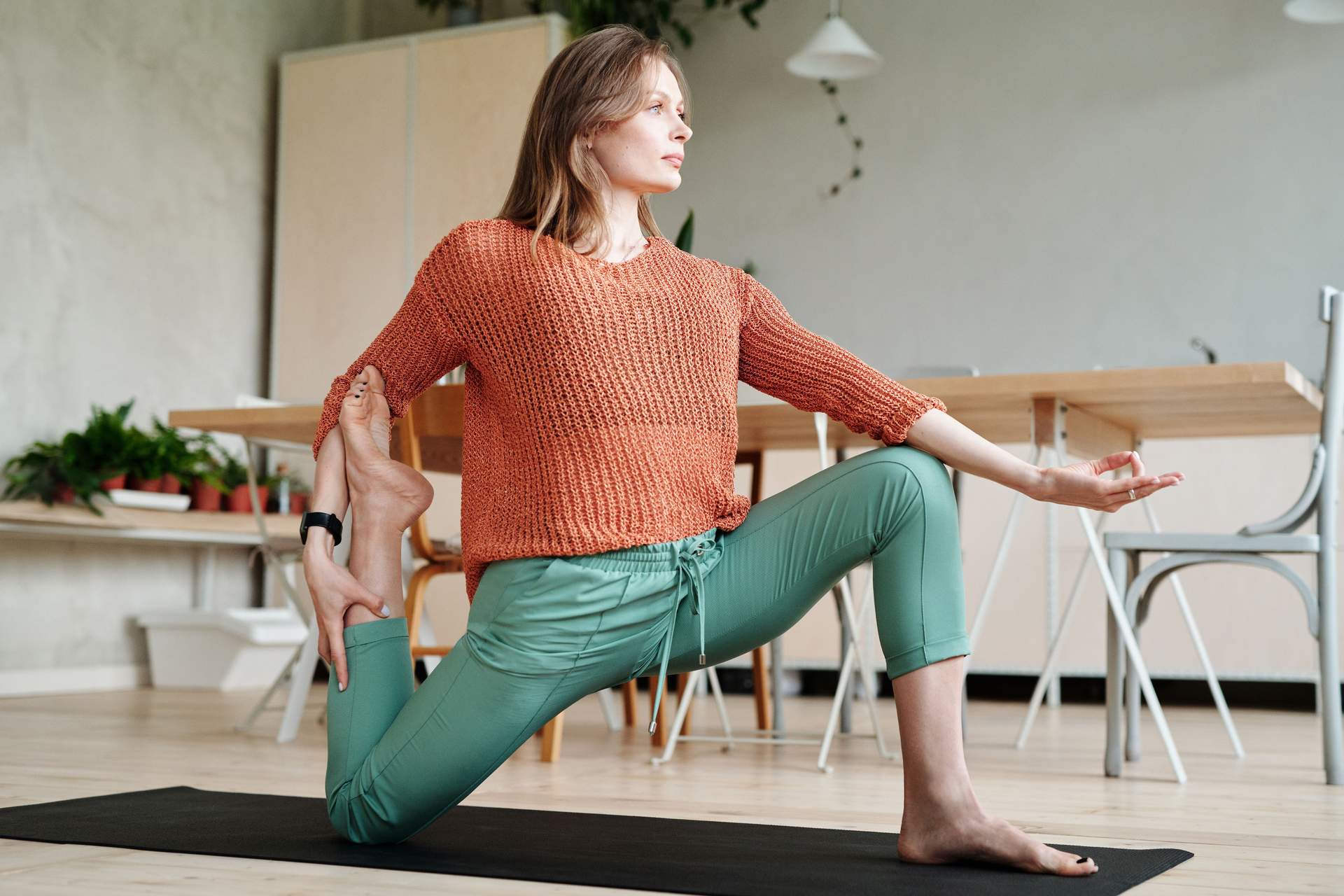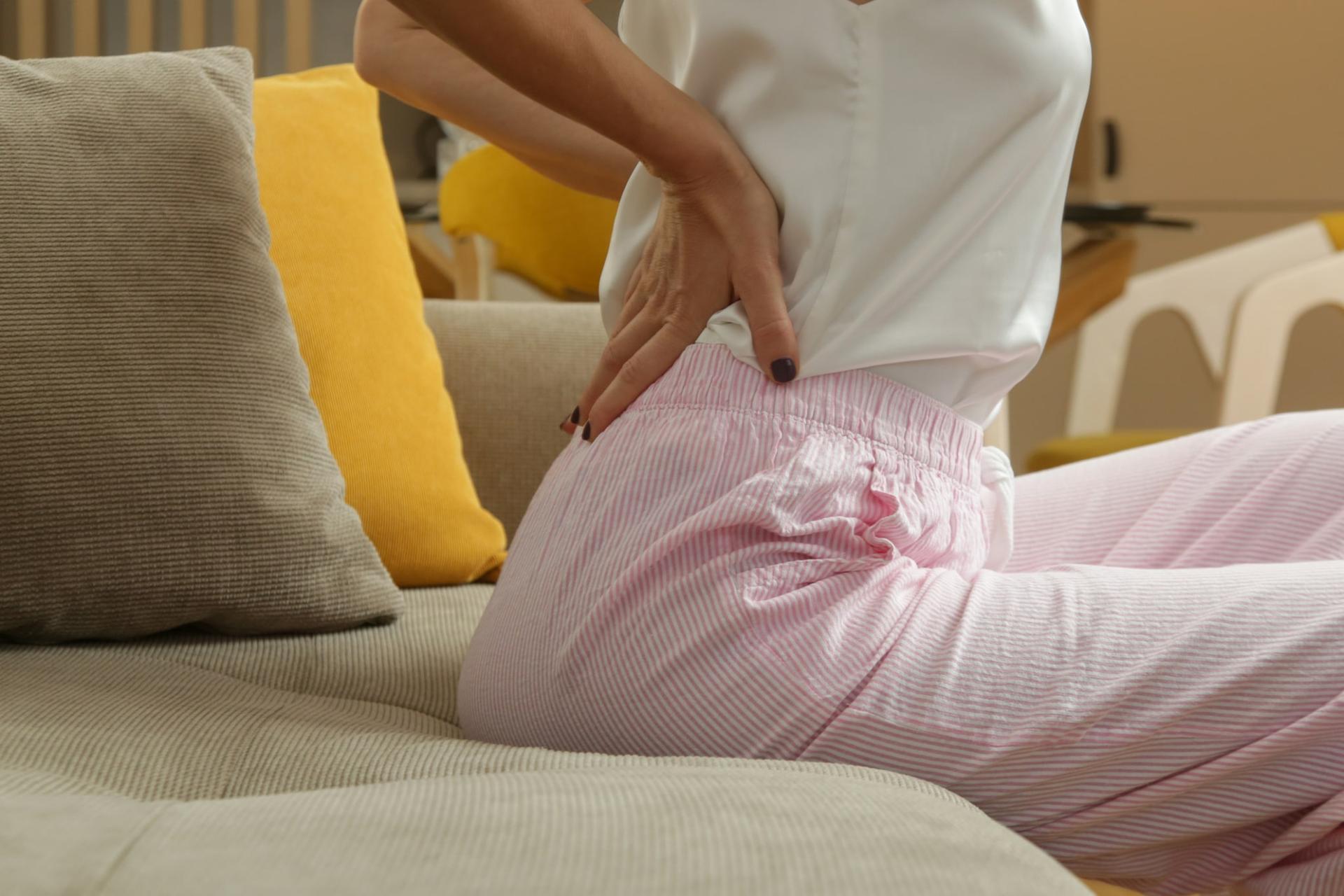
Just like any other muscle, your pelvic floor muscles can be either relaxed or, on the flip side, overly tight and tense. When this muscle group is very tight, it can bring on a range of health challenges. Think pelvic pain, lower back and hip discomfort, constant urges to pee, or trouble holding your urine. You might also face constipation or difficulty with bowel movements. Plus, an overactive pelvic floor can even affect your sex life by causing painful intimacy.
What Can Cause Pelvic Floor Muscle Tension?
Stress
The state of your pelvic floor muscles depends on many factors. One of the most common reasons behind tight muscles is ongoing stress and literally “holding yourself tense.” When you’re frustrated or anxious, you might unconsciously tighten your pelvic floor muscles. Without moments of relaxation, this tension can build up. Imagine when you’re really stressed—you probably tense up without even realizing it, maybe pulling your tailbone under you without meaning to.
Childbirth
Many women aren’t fully aware of how much childbirth can impact their pelvic floor muscles. Right after having a baby, we often notice changes in our belly, like separated abdominal muscles or loose skin. But during delivery, the pelvic floor muscles also go through serious strain. As the baby’s head passes through the birth canal, these muscles stretch and then contract again, sometimes causing tiny injuries.
Poor Posture and Sitting Too Much
Did you know that sitting all day, crossing your legs, and bad posture can contribute to pelvic floor muscle tension? It’s true! Slouching or sitting incorrectly tilts your pelvis forward, putting extra pressure on your pelvic floor. Plus, inactivity can make these muscles chronically tight.
Stomach Sucking and Holding Your Pee
Do you often suck in your stomach to look slimmer? Or maybe you delay bathroom visits until the last minute? Both habits can cause your pelvic floor muscles to become overly tight. In both cases, you’re holding tension in your body—pulling your stomach in or resisting the urge to pee puts unnecessary strain on your lower muscles. This leads to pelvic floor dysfunction, constant pressure, and ongoing tension.

How to Relieve Tight Pelvic Floor Muscles
If your tension is severe, it’s a great idea to see a specialist who focuses on pelvic floor rehabilitation. They can create a personalized routine or physical therapy plan to help you heal. Meanwhile, try this simple home exercise to ease and release some of the tension.
Training your pelvic floor means paying attention to your diaphragm, pelvis, and deep abdominal muscles all at once. Lie on your back and take a deep breath, making sure your chest stays still and you breathe into your belly, not your lungs. As you exhale, relax your pelvic muscles, imagining the breath flowing through this area. You can do this daily in 10-minute sessions. Focus on your lower body as you breathe out—picture your perineum like a flower gently opening.
Many people instinctively turn to Kegel exercises to relax a tight pelvic floor, but if your muscles are already tense, this can actually make things worse. Kegels are great for strengthening weak or loose muscles, but since they focus on tightening, they won’t help with overactive tension and might even backfire.
The key is to recognize if you have symptoms of an overactive pelvic floor and consciously stop habits that worsen it. Focus on breathing exercises, belly breathing, and relaxing your pelvic floor muscles. For full recovery, don’t hesitate to consult a physiotherapist who can guide you every step of the way.