When we talk about childhood obesity, the conversation too often stops at weight. But the real picture is far more serious — and far more urgent. Excess weight in children isn't just a physical issue. It quietly shapes their health, their emotions, and their future in ways that can last well into adulthood.
The physical toll starts earlier than most people think
Childhood obesity significantly raises the risk of developing chronic conditions that were once considered adult problems. Type 2 diabetes is one of the most alarming examples — a disease that used to be rare in children but is now increasingly diagnosed in younger age groups.
The cardiovascular risks are equally concerning. Excess body weight drives up blood pressure and elevates cholesterol levels, laying the groundwork for heart disease and early cardiovascular events that can shorten a child's life expectancy. These aren't distant risks — they begin developing in childhood itself.
The emotional damage is just as real
What often goes unspoken is the psychological weight that comes alongside the physical. Children who are overweight frequently face teasing, exclusion, and social rejection from their peers — and the damage this causes runs deep.
Children who are mocked or left out because of their weight often develop a negative body image and a fragile sense of self-worth that is difficult to rebuild.
Low self-esteem, anxiety, and depression are common outcomes. The loneliness and emotional distress that follow can affect a child's development for years — shaping how they relate to others, how they see themselves, and how they navigate the world as they grow up.
Environment and family play a defining role
Childhood obesity doesn't happen in a vacuum. A sedentary lifestyle combined with regular consumption of calorie-dense, nutrient-poor foods are central drivers — but the family environment shapes everything around them.
Parents' own habits, attitudes toward food, and commitment to an active lifestyle have a profound influence on their children's behavior. Children absorb what they see at home long before they understand what healthy living means.
Beyond the family, peer pressure, school culture, and media-driven beauty standards all contribute to how children eat, move, and feel about their bodies. These external forces can reinforce unhealthy patterns — or, with the right guidance, help break them.
Prevention: what actually works
The good news is that childhood obesity is largely preventable. It starts with building the right habits early — and that responsibility falls on parents, caregivers, and educators alike.
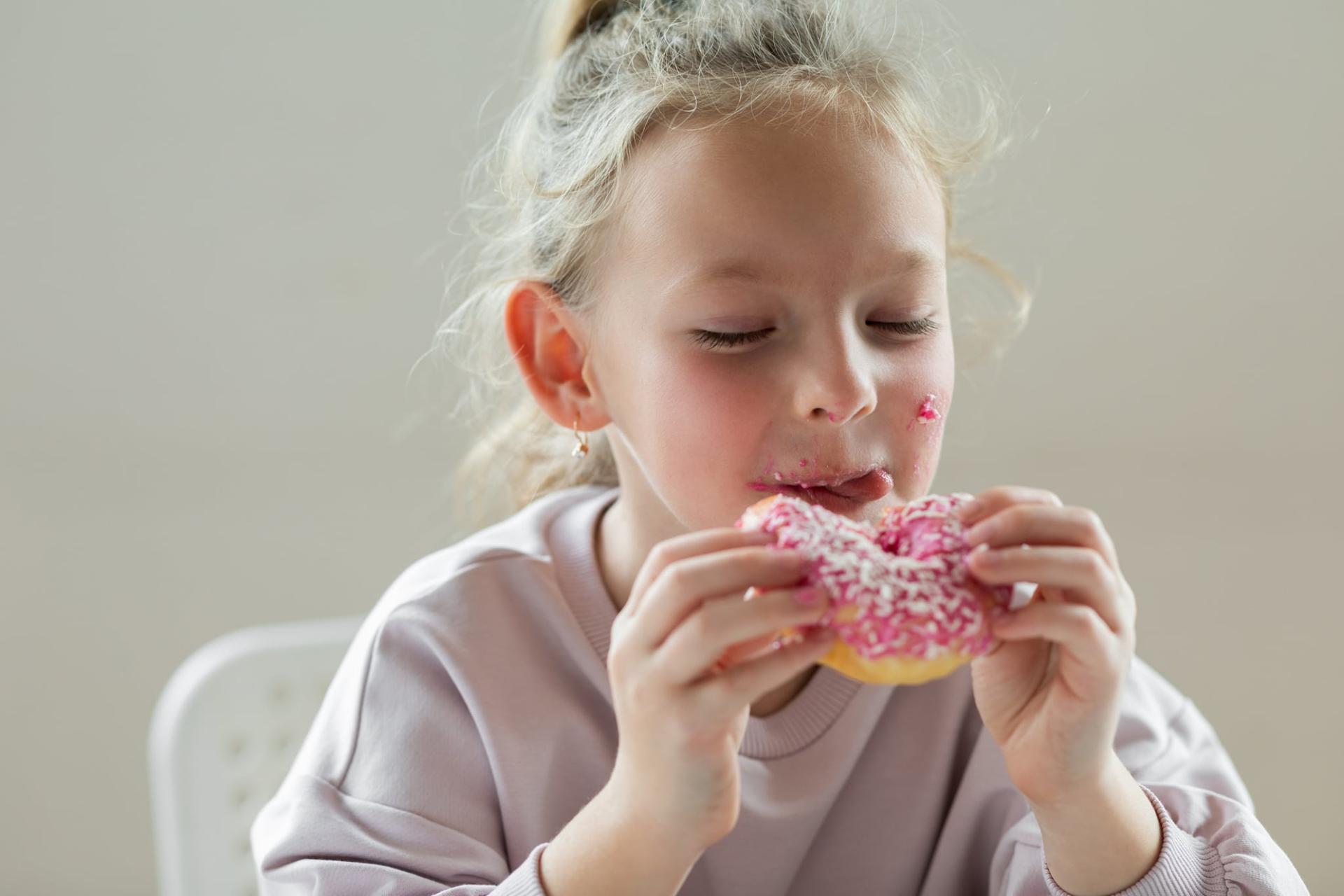
A balanced diet rich in vegetables, fruits, and whole foods — with sweets and fast food kept to a minimum — goes a long way toward maintaining a healthy weight. But food is only part of the equation. Regular physical activity is just as essential: it not only helps manage weight, but also boosts self-confidence and strengthens social bonds.
Addressing childhood obesity takes consistent attention and thoughtful action — but the earlier it starts, the greater the difference it makes.
Supporting children, educating them about healthy choices, and modeling the behaviors we want them to adopt are the most powerful tools we have. The health of the next generation depends on how seriously we take this challenge today.