Hot flashes, irritability, vaginal dryness – these are the usual menopause symptoms that come to mind. But the story usually starts less clearly. Perimenopause symptoms often creep into your life unnoticed: brain fog, dry eyes, itchy ears, joint pain, anxiety… and since they don’t shout "hormonal changes!", many women simply don’t connect them to this phase.
Perimenopause is the transitional phase before menopause, when estrogen levels start to drop—or fluctuate unpredictably—before settling down for good. This can begin 4–10 years before your last period. It’s a long enough time to get through without gritting your teeth. One of the biggest challenges is that many women aren’t even sure when they’ve entered this stage.
“Perimenopause doesn’t have a clear-cut definition like menopause itself,” says Dr. Karen Adams, director of Stanford Medicine’s menopause and healthy aging program, in an interview with SELF.
Since there’s no specific test, doctors usually diagnose it based on symptoms, which is why perimenopause can often be mistaken for other issues.
Why does it cause so many strange symptoms?
It all comes back to estrogen. This hormone has receptors in the brain, skin, heart, bones—basically everywhere. When the ovaries produce less, the whole body can react, explains Dr. Fatima Naqvi, OB-GYN and women’s health lead at Atlantic Health System in New Jersey. That’s why perimenopause brings a wide range of symptoms, varying from barely noticeable to seriously challenging.
“Every woman’s perimenopause and menopause journey is completely unique,” emphasizes Dr. Adams. Let’s look at the signs that show you might be in this phase.
1. Brain Fog
Can’t find a word that’s “on the tip of your tongue”? Forget why you went to the kitchen? Memory lapses and trouble concentrating catch many women off guard. Dr. Adams notes some patients worry about early dementia, but studies show up to 60% of women experience cognitive changes during this time. Estrogen affects neurotransmitters that regulate memory, mood, and sleep. Fluctuating hormones can cause forgetfulness, confusion, and scattered thinking. If you have hot flashes, brain fog can feel even stronger—partly due to sleep disruptions.

2. Sleep Problems
Nearly half of women in perimenopause struggle with poor sleep. This might mean difficulty falling asleep or waking up early—say around 3 a.m.—feeling anxious or unusually alert.
“Many fall asleep easily but then suddenly pop awake in the early morning,” says psychiatrist Dr. Karen Horst.
Lower melatonin, increased stress, and estrogen’s role in temperature regulation all play a part—leading to hot flashes and night sweats.
3. Anxiety and Mood Swings
Irritability, impatience, oversensitivity—many women attribute these to life stress. And it’s no surprise: our 40s are often overwhelming. “Work, kids, aging parents, deadlines, climate crisis, politics… we’re swimming in a cortisol soup,” says Dr. Adams. But estrogen fluctuations can amplify anxiety and even trigger mood disorders.

4. Joint and Muscle Pain
Do your legs ache in the morning? Everything feels tight after a workout? You’re not alone.
Research shows over 70% of women in perimenopause experience some kind of musculoskeletal pain.
Estrogen affects collagen and joints. When levels drop, inflammation, stiffness, and pain can develop—frozen shoulder is also more common during this time.

5. Dry Hair, Skin, and Eyes
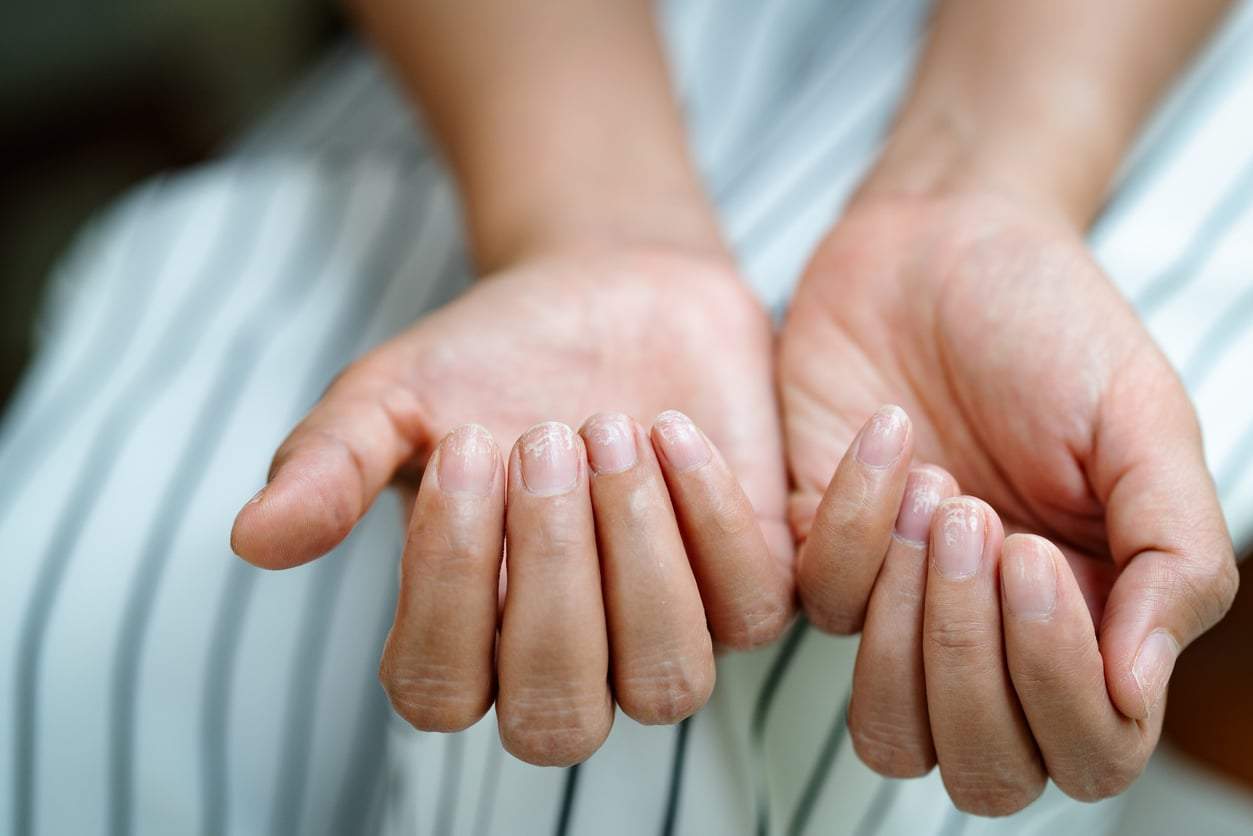
“Basically, everything dries out,” says Dr. Adams. Skin, hair, eyes, mouth, vagina—all estrogen-dependent areas. Dry eyes can be especially surprising, yet female hormones play a role in maintaining the tear film that protects the eye’s surface. No wonder women over 50 are nearly twice as likely as men to suffer from dry eyes.
6. Itchy Ears
Yes, really. The skin in the ear canal is thin and sensitive, and estrogen loss can dry it out easily.
“Estrogen changes can also affect skin pH, which may increase itching,” explains Dr. Sameena Rahman.
Experts unanimously warn against cotton swabs—but a few drops of olive or mineral oil can help.
7. Heart Palpitations
Estrogen helps regulate heart rhythm and cholesterol, so hormonal swings can cause palpitations—even in otherwise healthy women. “Many think they’re having a heart attack or panic attack,” says Dr. Adams. While usually not dangerous, it’s important to get checked out.

8. Pain During Sex
The vagina is highly sensitive to estrogen. When levels drop, it becomes drier and less elastic, causing pain, tiny tears, and even more frequent urinary tract infections. Local estrogen treatments often provide effective relief.
What Can You Do?
If you’re in your 40s and feel like "something’s off," talk to a doctor, suggests Dr. Naqvi. Keep in mind that not all gynecologists specialize in menopause, so some research may be needed to find the right expert. After evaluation, hormone replacement therapy might be an option. Contrary to past fears, studies show it’s safe if started before age 60 or within 10 years of menopause onset.
Lifestyle matters a lot, too:
- Quit smoking
- Stay active regularly
- Targeted treatments for specific symptoms (sleep, dry eyes, anxiety)
“Perimenopause isn’t something to fear,” emphasizes Dr. Adams. “It’s an opportunity to finally put yourself, your health, and your needs first.”