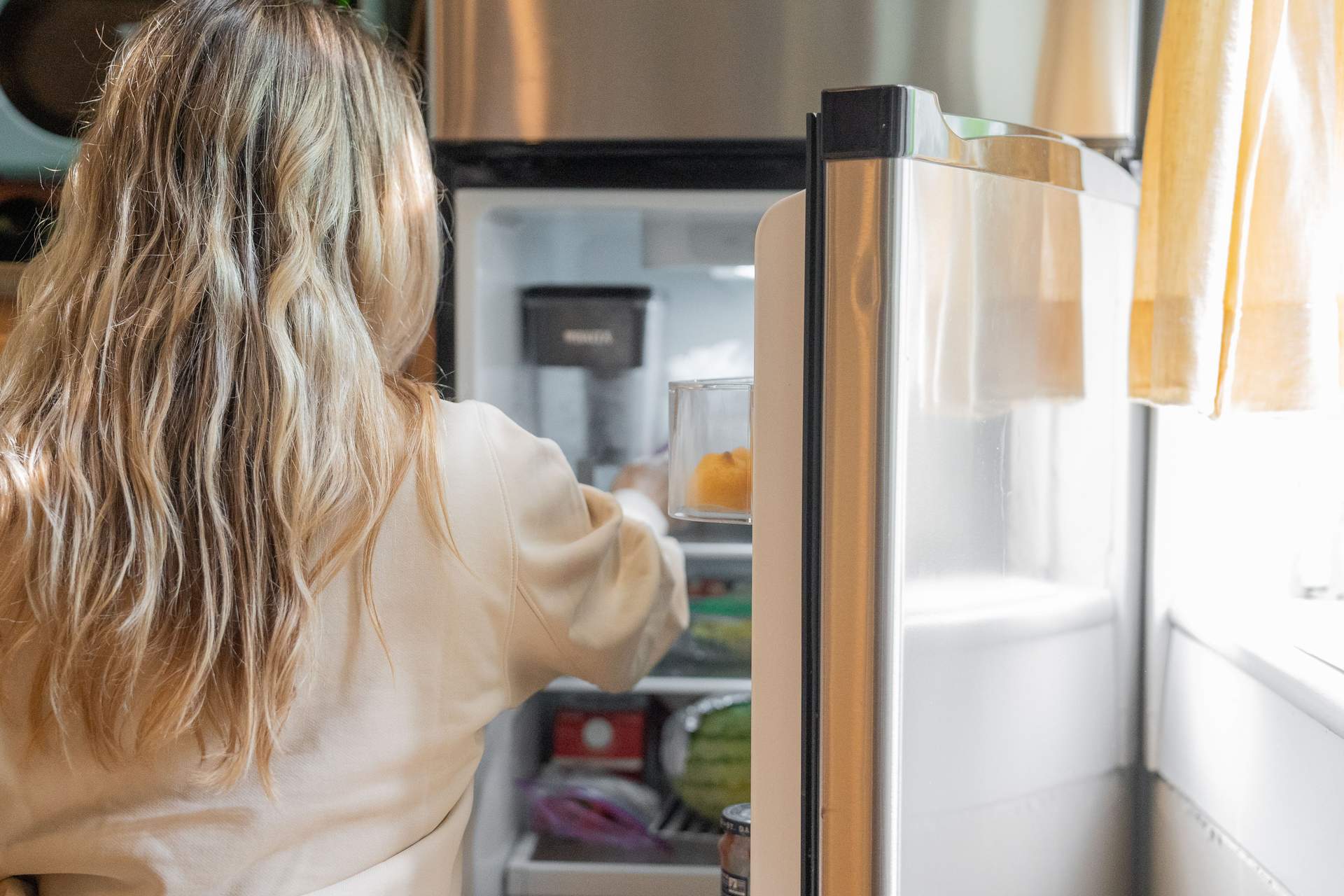
Since its invention, the refrigerator has been a household essential, crucial for storing perishable foods. But many don’t realize that improper fridge use can lead not only to food waste but also to health risks.
Consistent cooling in your fridge helps keep food fresh longer. But if the temperature is off or items are stored incorrectly, bacteria and other harmful germs can multiply. Poor fridge habits often cause food poisoning, which can be serious, especially for kids, seniors, and those with weaker immune systems.
Why Fridge Temperature Matters
Setting the right fridge temperature is key to safe food storage.
Experts agree that keeping your fridge between 0-4 °C (32-39 °F) slows bacterial growth, helping food stay safe to eat longer.
If your fridge runs too warm, food spoils faster and harmful microbes can thrive. Faulty temperature sensors can also cause problems, as you might not notice the change until it’s too late.
Smart Food Storage Tips
It’s not just about temperature—how you store your food matters for health and safety. Most packaging includes storage instructions worth following.
Keep fruits and veggies separate since some release gases that speed up ripening and spoilage of other foods.
Store ready-to-eat meals on the top shelves and raw meats on the bottom to avoid cross-contamination.
Use airtight containers to reduce air exposure and prevent odors from mixing.
Common Mistakes and Their Impact
- Overpacking the fridge blocks airflow and causes uneven cooling, which can spoil your food.
- Putting warm leftovers or newly bought food straight into the fridge raises the internal temperature, creating a perfect environment for bacteria. Always cool food to room temperature or chill before storing.
Boost Your Fridge’s Efficiency
A well-maintained fridge not only keeps your food fresh but also saves energy. Regular cleaning helps prevent bacteria buildup that can affect your health.
Don’t forget to clean dust from the back and bottom vents regularly, as buildup reduces energy efficiency. Organizing your fridge thoughtfully and checking food often helps prevent mold and waste.