As temperatures keep rising, many are looking for ways to keep their homes fresh without relying on air conditioning all the time. Whether you’re motivated by sustainability or health reasons, this guide is for you. It offers fresh ideas that mix classic tips with creative hacks to make your home more comfortable on hot summer days.
Daytime Ventilation and Shading
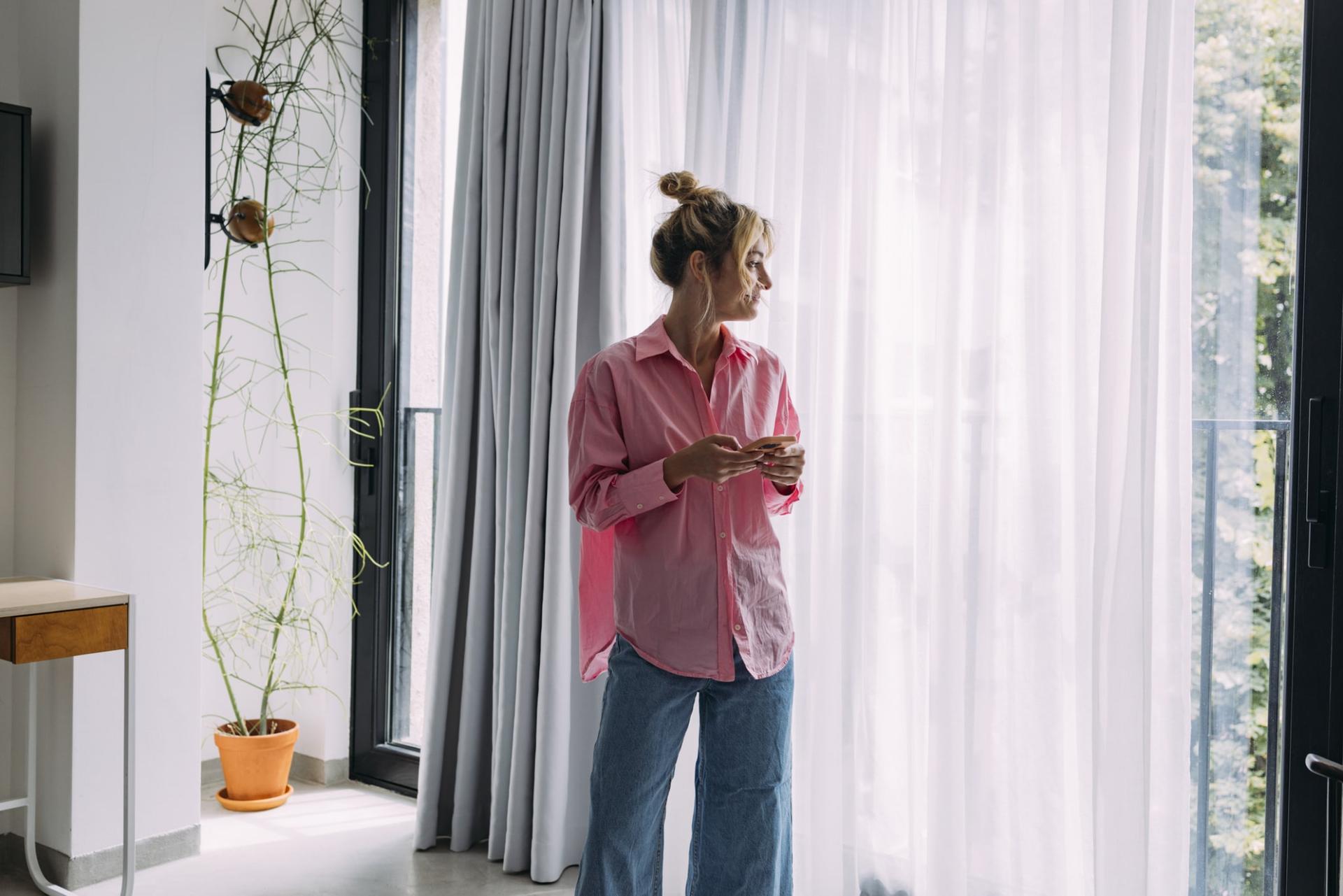
One of the first steps to beat the summer heat is smart ventilation. Open your windows early in the morning or late at night when it’s cooler outside to let in fresh air. Keep them closed during the day to block warm air from coming in. Boost this effect by using blackout curtains or shutters—they’re great at cutting down heat through the glass.
Besides classic shading methods, consider modern options like heat-reflective films or special insulating paints. These not only reduce heat but also block harmful UV rays, keeping your home cooler and safer.
Natural Ventilation Techniques
Use natural airflow to your advantage by opening windows on opposite sides of your home for cross-ventilation. This simple trick lets fresh air flow freely and refreshes your space even on warmer days.
Try the venturi effect: bring in cool morning or evening air, then keep windows tightly closed as the day heats up to trap that coolness inside. Later, just a small opening lets warm air escape through gaps, keeping your home comfortable.
Houseplants
It’s no coincidence that city parks and gardens offer a cool refuge in summer; you can create that same effect at home with houseplants. They naturally release moisture into the air, boosting humidity and making the heat feel less intense.
Big-leafed plants like philodendrons or banana plants are especially effective—they can raise indoor humidity by up to 10%. Placing water trays under your plants also speeds up evaporation, adding an extra cooling touch.
Energy-Saving Devices
Thoughtful use of electrical appliances can also help keep your home cooler. Avoid running heat-generating devices like ovens or dishwashers during midday. Instead, schedule these tasks for early morning or late evening when it’s cooler outside.
Switching to LED lighting not only cuts your electricity bill but also reduces heat output compared to traditional bulbs.
Textile and Furniture Tips
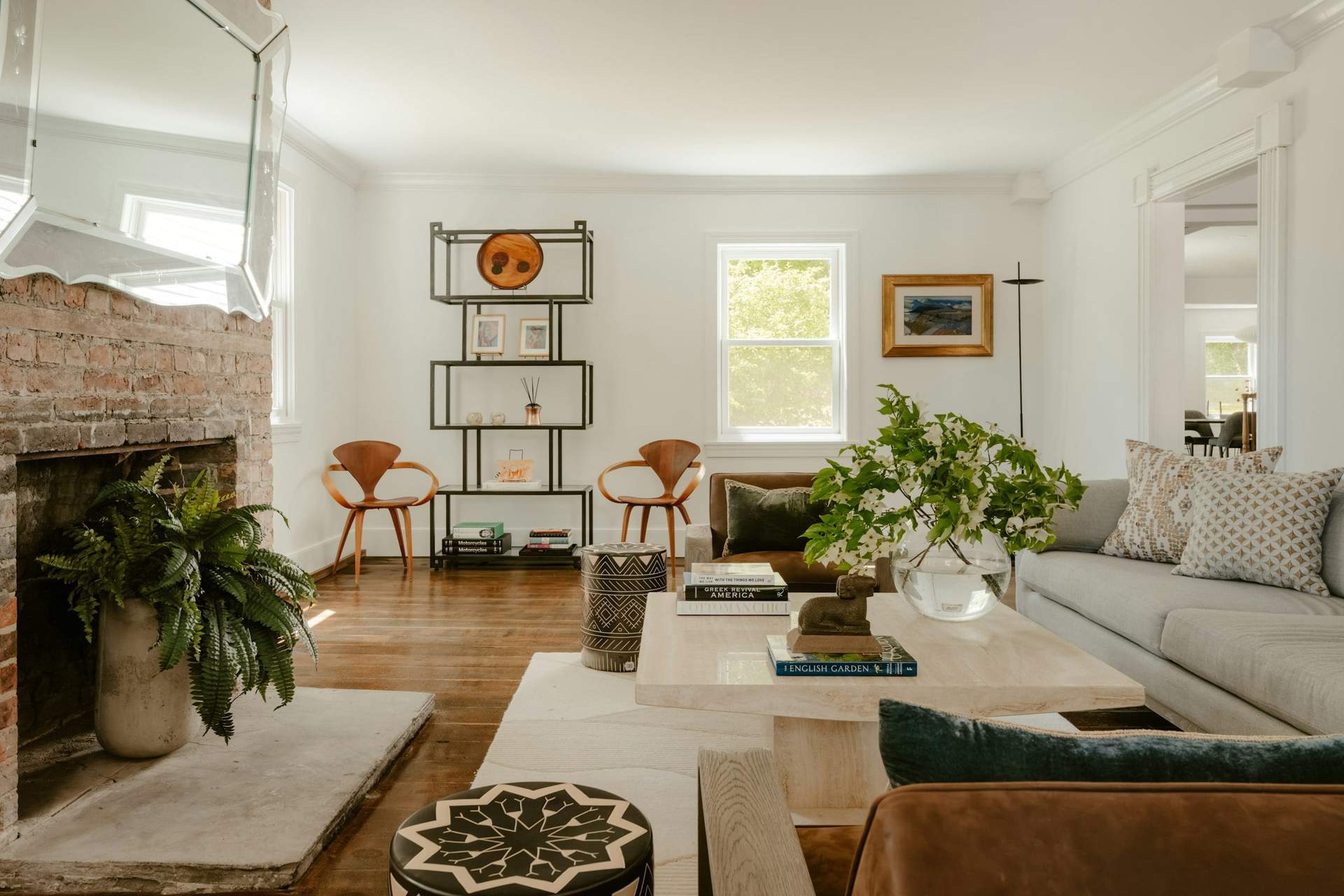
Choosing the right fabrics and materials is key to managing your home’s temperature. Opt for natural textiles like cotton or linen for curtains and covers—they breathe better and trap less heat.
Don’t hesitate to try lighter colors that reflect sunlight, helping keep rooms cooler. Also, consider putting away heavy rugs during hot days, as they can warm up floors and the air around you.