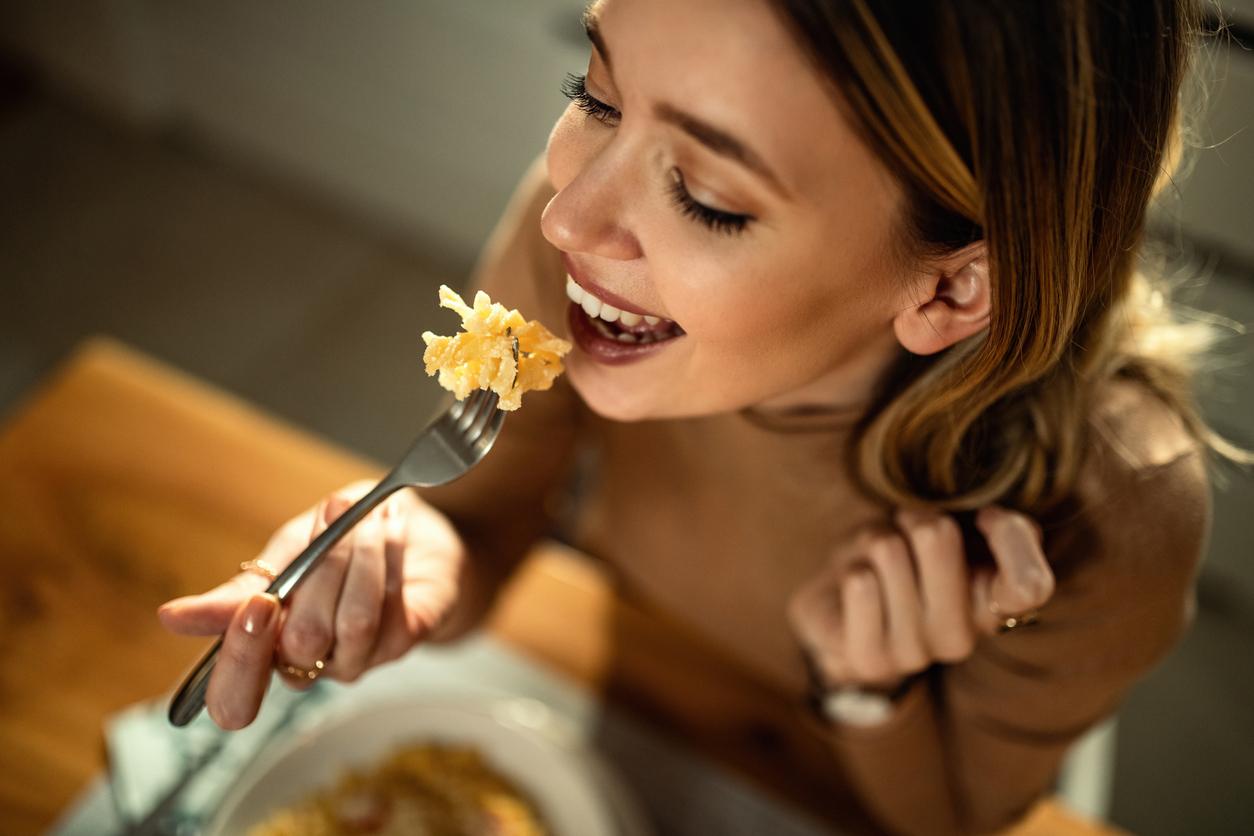
Raise your hand if this sounds familiar. The day’s been long. You’ve worked hard, mentally and physically drained, and the evening to-do list is already piling up. Maybe kids are buzzing around you. In a perfect world, you’d flop onto the couch with a bowl of cereal, but you’re the adult who needs to get dinner on the table, and fast, before anyone gets hungrier and crankier. Ideally, it’s healthy food that supports your protein goals and is packed with veggies. Oh, and of course, it should be tasty enough to leave everyone fully satisfied at the table. No pressure, right?
That’s a lot of pressure, actually, and cookbook author Nicki Sizemore knows exactly how that feels. If you want to learn how to make dinner prep easier, keep reading!
For Sizemore, cooking dinner has always been her favorite part of the evening, but with a demanding job and two kids, it became a real source of stress she openly shares about.
“I rushed into cooking carrying my worries and to-do lists, turning the kitchen into a place of constant pressure. It felt like a race I couldn’t win.”
Over time, she developed chronic digestive issues and lost the joy of both cooking and eating. To improve her health and shift her mindset, Sizemore created what she calls the BESTT practice. She writes about this 30-second ritual in her new cookbook, Mind, Body, Spirit, Food. The quick practice has five steps: breathe, engage your senses, set an intention, give thanks for your food, and give thanks for your body. The heart of BESTT is mindfulness.
“Mindful cooking might sound like just another task, but it’s really about how you approach cooking, not adding more to your plate,” she says.
Here’s how BESTT works.
Breathe
If you’ve ever taken a deep breath to calm down, the “B” in BESTT will feel familiar. Before you start cooking, Sizemore suggests taking two deep breaths.
“When we enter the kitchen stressed and in fight-or-flight mode, we bring that tension right into the cooking process.”
She believes just a few slow, mindful breaths can instantly calm your body. These deep breaths create a pause between the day behind you and the cooking ahead, inviting you fully into the present moment.
“This presence changes everything: cooking becomes more enjoyable, spacious, and surprisingly, we become better cooks.”
Speaking from experience, this is so true. When I cook distracted, it’s way too easy to forget ingredients or lose track of the recipe.

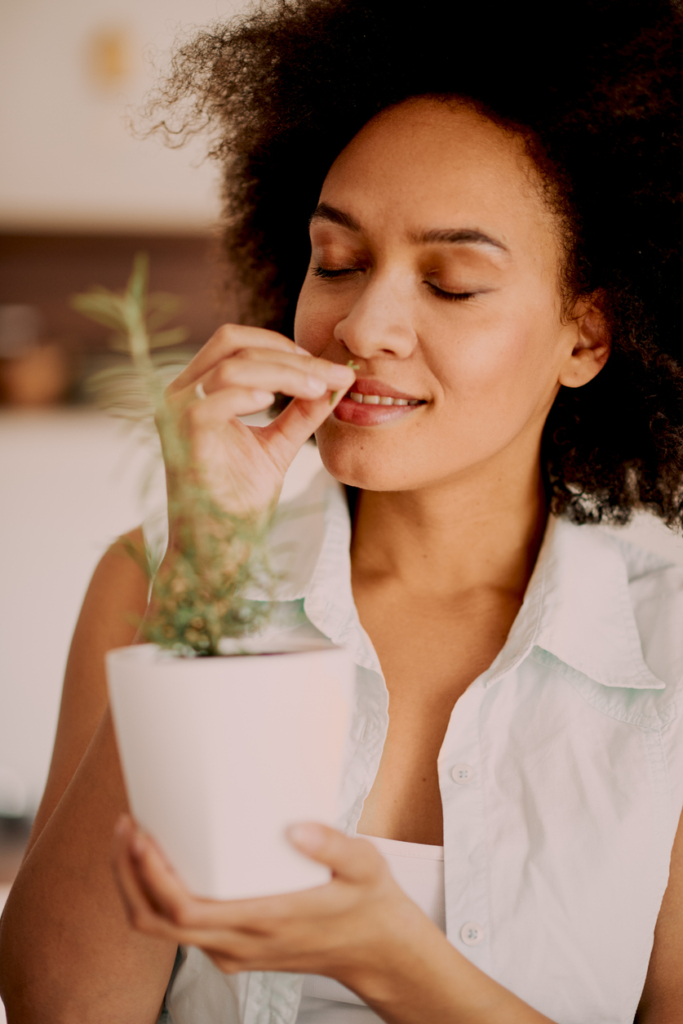
Engage Your Senses
One of my favorite parts of cooking, which I really noticed in culinary school, is how it pulls me out of my head and back into my body—more specifically, my senses. Cooking uses all five senses (yes, even hearing!), and the next step in Sizemore’s pre-dinner ritual is to activate at least one of them.
This could be smelling fresh cilantro, admiring the bright red of pomegranate seeds, or feeling the bumpy skin of an avocado. Sizemore says engaging your senses can be even simpler.
“Feel the weight of your feet on the floor, rub your fingers together and notice the sensation. Let your eyes take in the space around you and notice any lingering scents in the air.”
Engaging your senses takes just five seconds, but it’s a powerful way to truly be in the moment.
Set an Intention
As Sizemore writes in Mind, Body, Spirit, Food:
“An intention shifts your mind away from the stress of past and future and directs how you want to be present right now.”
If that sounds a bit too spiritual, Sizemore says your intention can be anything.
“If you’re rushing, your intention could be to slow down. If you’re feeling playful or want to be, you could set the intention to have fun.” Two of her favorite intentions are inviting intimacy and seeking beauty.
“With this small shift, beauty appears everywhere—in the curve of a bell pepper, the steam rising from the pot, the swirl of cream in the soup.”
For me, setting an intention—whether at the start of a yoga class or before cooking dinner—helps me step out of my head and fully arrive in the moment.
Give Thanks for Your Food… and Your Body
We now know gratitude is good for us, and many families have long-standing traditions of saying a prayer before meals. In the BESTT ritual, gratitude goes beyond the food. It’s also for our bodies and all they can do. “Our bodies are incredible,” Sizemore says. “They digest food and absorb nutrients without any conscious effort. When we reconnect with this quiet intelligence and feel gratitude for our bodies, our relationship with food begins to transform.”

Other Simple Ways to Make Cooking Less Stressful
Actually, any pre-cooking ritual can work, Sizemore says.
“A little kitchen ritual can open the door to more ease and joy. It could be tying on an apron, starting a favorite playlist, or making a special drink before you begin.”
The details don’t matter, she says. “What matters is doing it mindfully and letting the ritual signal to your mind and body that you’re shifting from the day into the act of cooking.”