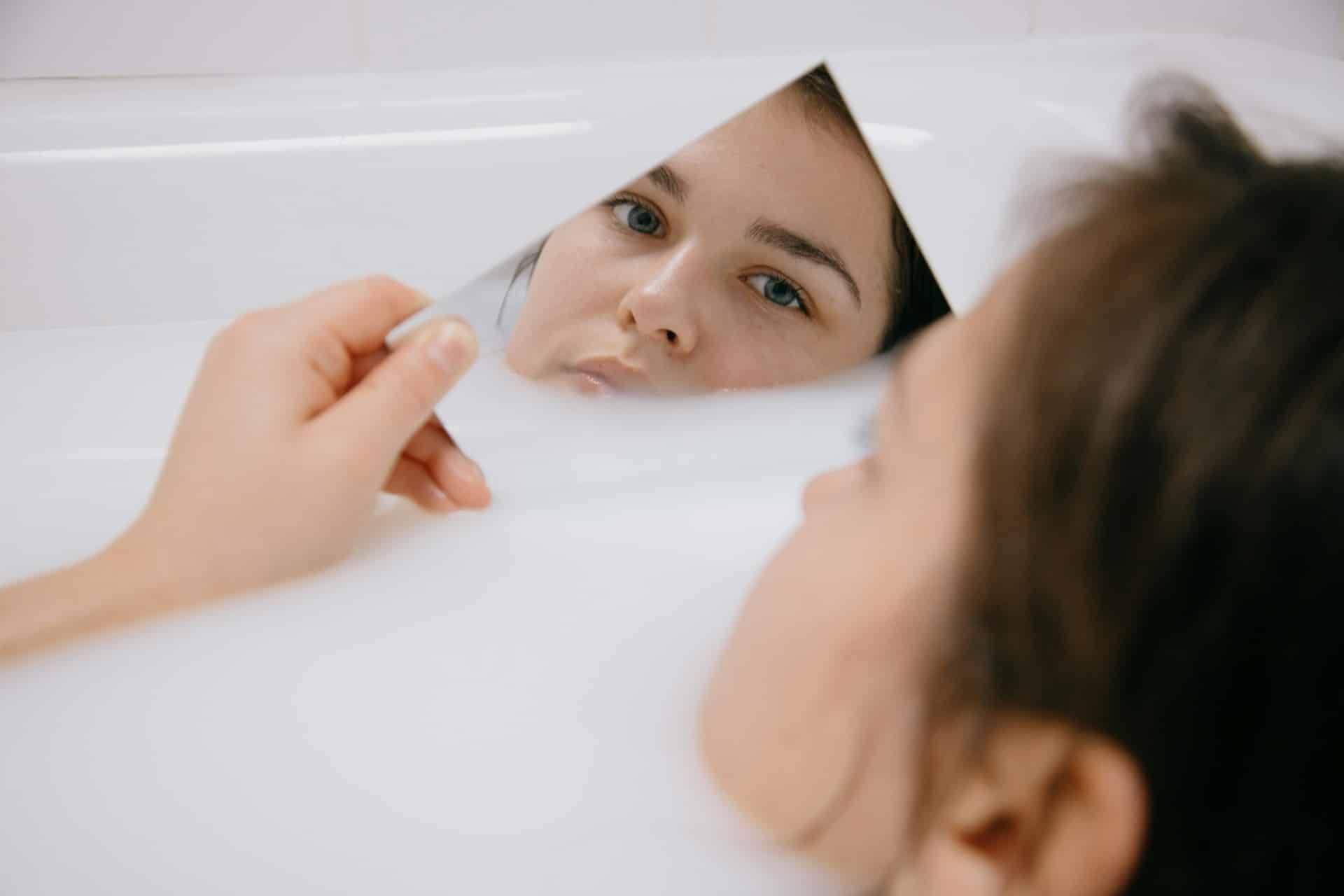
In today’s world of psychotherapy, innovative techniques are designed to ease emotional pain, help process past traumas, and restore inner balance. Mirror therapy stands out as a unique approach—originally created to ease phantom limb pain, it has since proven powerful in healing emotional wounds as well.
The Origins and Beginnings of Mirror Therapy
Mirror therapy is based on the amazing pathways of the visual receptors in our brain. It was first developed in the early 1990s by Dr. V. S. Ramachandran, a British neurologist. His goal was to reduce the suffering of people experiencing phantom limb pain. The method uses a simple mirror placed so that the reflection of the missing limb appears, creating a visual illusion that helps the brain perceive the limb as healthy, easing the pain caused by conflicting perceptions.
Over time, mirror therapy expanded to other neurological and psychological areas, where sensory illusions, imaginative engagement, and the rebalancing of mind and body opened new doors to its effectiveness.
How Can It Help with Emotional Wounds?
With its simple yet profound impact, mirror therapy can be especially helpful for those struggling with inner conflicts or self-esteem issues. Looking into the mirror often brings one’s self-image face-to-face with reality, sparking positive change. It’s a great tool to ease anxiety, reduce symptoms of depression, and build self-confidence.
Some patients report that mirror therapy reveals inner stories previously hidden from their conscious mind. This dual perspective helps surface long-held emotional burdens that other therapies couldn’t reach.

Practical Uses and Techniques
Mirror therapy can be tailored to the individual’s emotional challenges. Sometimes, simply observing one’s reflection while repeating positive affirmations can act like a meditation, fostering inner peace and balance.
Other approaches focus on guided sessions where the patient reflects deeply on specific themes, gaining insight into their inner world. Under a therapist’s guidance, these exercises aim to uncover emotional blocks that have been holding back progress.
Results and Experiences with Mirror Therapy
Recent studies and case reports suggest mirror therapy effectively supports many psychological challenges. Through self-reflection and increased self-awareness, patients often experience improved well-being and quality of life. Many share that they develop stronger self-discipline, better stress management, and more balanced relationships.
Experts highlight that one of the biggest strengths of this method is its holistic approach, addressing both cognitive and emotional aspects. This integrated support fosters healing of both body and mind, opening up new perspectives for those on their healing journey.
If you’re looking for an alternative therapy that impacts both body and soul while offering simple yet deep practical tools for everyday life, mirror therapy could be a wonderful choice. Beyond healing emotional wounds, it plays a key role in boosting self-awareness and emotional intelligence—making it a true companion on the path to a fuller, more balanced life.