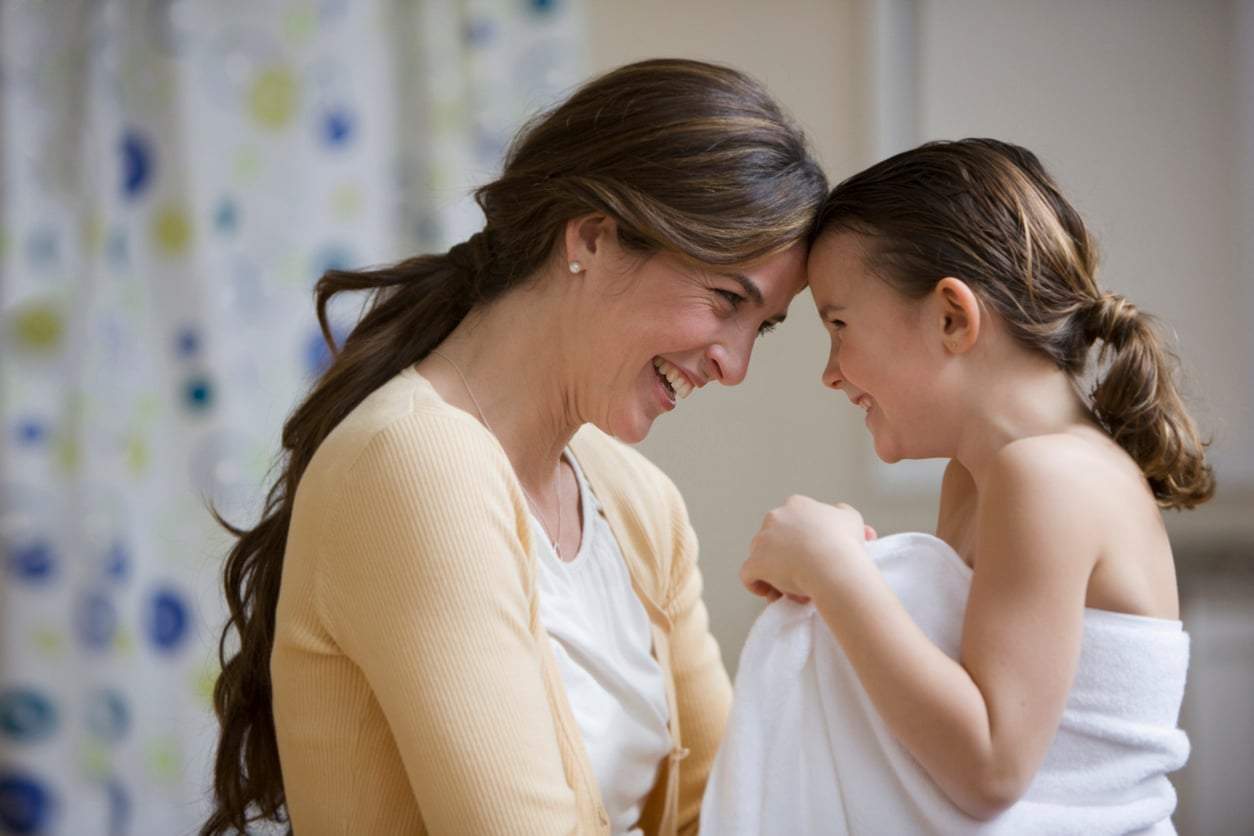
Every parent wants to raise a good person. But kids can be surprisingly — sometimes shockingly — unkind. And the hardest part? They often don't even realize it.
The screen problem
Kids today spend so much time in front of screens that their face-to-face social skills are quietly eroding. I've watched my son send ten crying-laughing emojis in response to a joke — completely stone-faced, not even a hint of a smile. And once, I caught my daughter mid-chat with a friend who had just been dumped by her boyfriend. The friend was devastated. My daughter sent a few sad-face emojis... then tossed her phone aside and asked what was for dinner.
I thought back to my own first serious breakup. My best friend at the time cried with me. That kind of instinctive, felt empathy — I'm not sure my kids have ever experienced it. And I think screens are a big part of why.
When emotional responses are reduced to emoji reactions, something real gets lost. The discomfort of sitting with someone else's pain — and choosing to stay — is a skill that has to be practiced. It doesn't develop on its own.
It starts with the small things
At home, we make a point of thanking each other for small things — when the kids put their toys away, when they bring their plates to the sink. It sounds minor, but when a child sees that their effort is noticed and appreciated, they start to notice others' efforts too.
When my kids have a meltdown, I try not to dismiss it. Instead of "stop crying," I try: "I can see you're having a really hard day." It sounds simple, but it matters. When children feel genuinely understood, they become more capable of understanding others.
"LOL you miserable idiot."
The comment that stopped me cold
That's what my 15-year-old daughter left in the comments of her favorite YouTuber's video. The creator — a twenty-something beauty influencer she watches religiously — had just shared a story about injuring her knee in a skiing accident. That was my daughter's response.
When I confronted her, she shrugged. "It's just a comment, relax."
I asked her: "Did you stop for even a second to think about how it feels to read something like that? You love this girl — you watch every single video she posts. So why would you write that?"
She had no answer. Because she genuinely hadn't thought about it. The distance of a screen had made it feel consequence-free.
I made her delete the comment and replace it with a simple "Hope you feel better soon." Then we made an agreement: from now on, she only leaves positive comments. If she doesn't like something, she scrolls past — no comment, no cruelty, just move on. That was two months ago. So far, she's kept her word, and I've been quietly keeping an eye on things.
If you're navigating similar challenges, it's worth reading more about how to raise emotionally intelligent children — small daily habits really do make a difference.
Lead by example — always
As a child psychologist, I can tell you: the single most powerful thing you can do is model the behavior you want to see. Children absorb everything. They watch how you speak to your partner when you're frustrated. They notice whether you swallow a sharp word or let it fly.
When there's conflict at home, talk about feelings out loud. Show your kids what it looks like to say, "I felt hurt when that happened." If siblings fight, let them each speak in turn without interrupting. And start early — even a three- or four-year-old can begin to understand that grabbing a toy hurts someone else's feelings, and that saying sorry means something.
Empathy isn't a personality trait children are born with or without. It's a skill, and it's taught.
The salt shaker in the garden
My youngest daughter is five — blonde pigtails, endlessly chatty, the kind of child strangers stop to compliment. An absolute dream, honestly. Which is exactly why I was so shaken by what I discovered one afternoon.
I noticed she kept slipping out to the garden after lunch, always with the salt shaker from the table. One day I followed her. What I found made my stomach drop: she was pouring salt onto slugs and watching them writhe.
She was humming to herself, cheerfully sprinkling more salt each time the slugs produced that white foam trying to wash it off. She looked perfectly happy. And when I called out to her, she jumped — genuinely startled, with no idea she'd done anything wrong.
We spent the next little while at the garden tap, rinsing the slugs off together. I explained, as calmly as I could, that animals feel pain, that they deserve to be treated gently, that we protect living things — we don't hurt them. I'd like to think I caught it early. But I'm watching more carefully now whenever she plays outside.
These moments — the cruel comment, the shrugged shoulders, the salt shaker — they're not signs of bad children. They're signs of children who haven't yet learned to feel their way into someone else's experience. That's our job as parents: to keep teaching it, one small moment at a time.