Playgrounds seem simple enough — kids play, parents watch, everyone goes home happy. But anyone who's spent time at one knows the reality can be a little messier. There are unwritten rules that, when followed, make the whole experience smoother, safer, and genuinely more enjoyable for children and adults alike.
Choose equipment that matches your child's age
Every playground has a mix of equipment designed for different ages and abilities. It's tempting to let kids try everything, but matching the equipment to your child's developmental stage matters more than most parents realize.
A four-year-old attempting a high climbing frame or a complex rope course — without the coordination to handle it safely — is one of the most common playground mistakes. It puts the child at risk and can disrupt the flow for older kids who the equipment was designed for.
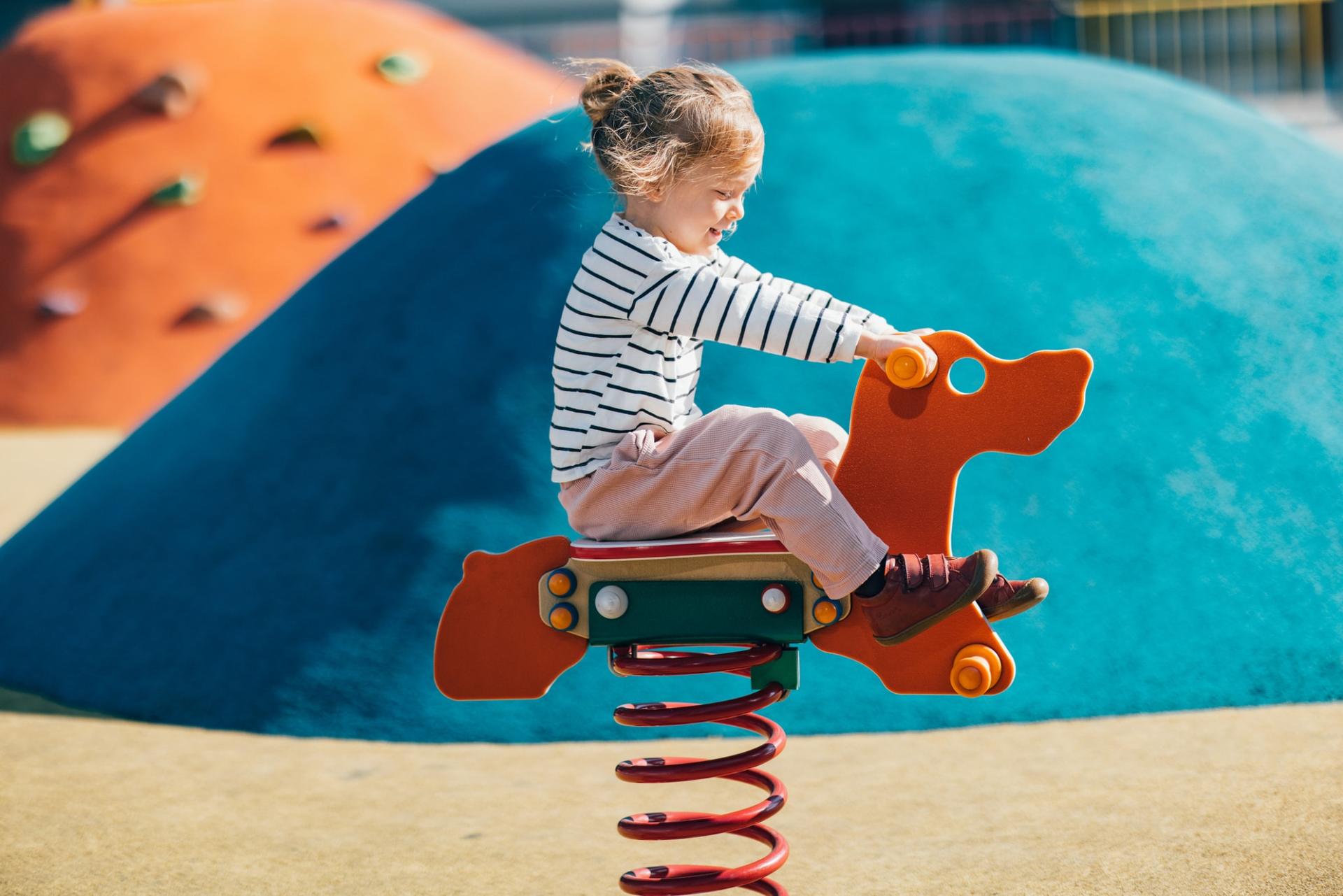
For younger children, spring riders and low slides are a much better fit. Similarly, letting toddlers use swings or spinning equipment meant for older kids is an accident waiting to happen.
Choosing the right equipment isn't just about your child's safety — it also helps prevent overcrowding on certain pieces of equipment and reduces the chance of accidents involving other children. When everyone uses what's appropriate for their age, the whole playground runs more smoothly.
Teach your child to be aware of others
Playing in a shared space is one of the earliest lessons in social awareness. Children naturally focus on themselves, which is developmentally normal — but the playground is a great place to gently start shifting that.
Encourage your child to wait their turn, communicate politely, and notice when another child is waiting for the same swing or slide. These small habits — queuing, sharing, offering a hand to someone who's fallen — are the building blocks of healthy social skills that will serve them for life.
And of course, children learn by watching. When parents treat other adults and children with patience and respect, kids absorb that far more deeply than any instruction. Building empathy in children starts with the small, everyday moments — and the playground offers plenty of them.
Talk to other parents
The playground isn't just a social space for children — it's one for parents too. A simple smile, a friendly comment about the weather, or a word of encouragement when another parent is having a rough moment can be the start of something genuinely meaningful.
Pay attention to which children your child gravitates toward. If there's an opening, striking up a conversation with those kids' parents is a natural next step. You never know — what starts as a brief chat on a bench could turn into a lasting friendship, for both the children and the adults.
A connected playground community also makes it easier to handle conflicts or tricky situations when they arise. When parents know each other even a little, misunderstandings are easier to resolve and the atmosphere stays warmer for everyone.
Keep hygiene in mind
Playgrounds are shared by dozens of children every day. That means hygiene isn't optional — it's a basic act of consideration for everyone using the space.
Make it a habit to clean your child's hands with sanitizer before and after playing. It takes thirty seconds and meaningfully reduces the spread of germs and bacteria. Pack a small bottle in your bag and it becomes second nature.
It's equally important to leave the playground as you found it. Pick up any rubbish, take your snack wrappers with you, and respect the shared environment. Small actions like these add up to a much more pleasant space for the next family who arrives.
Stay calm when things get difficult
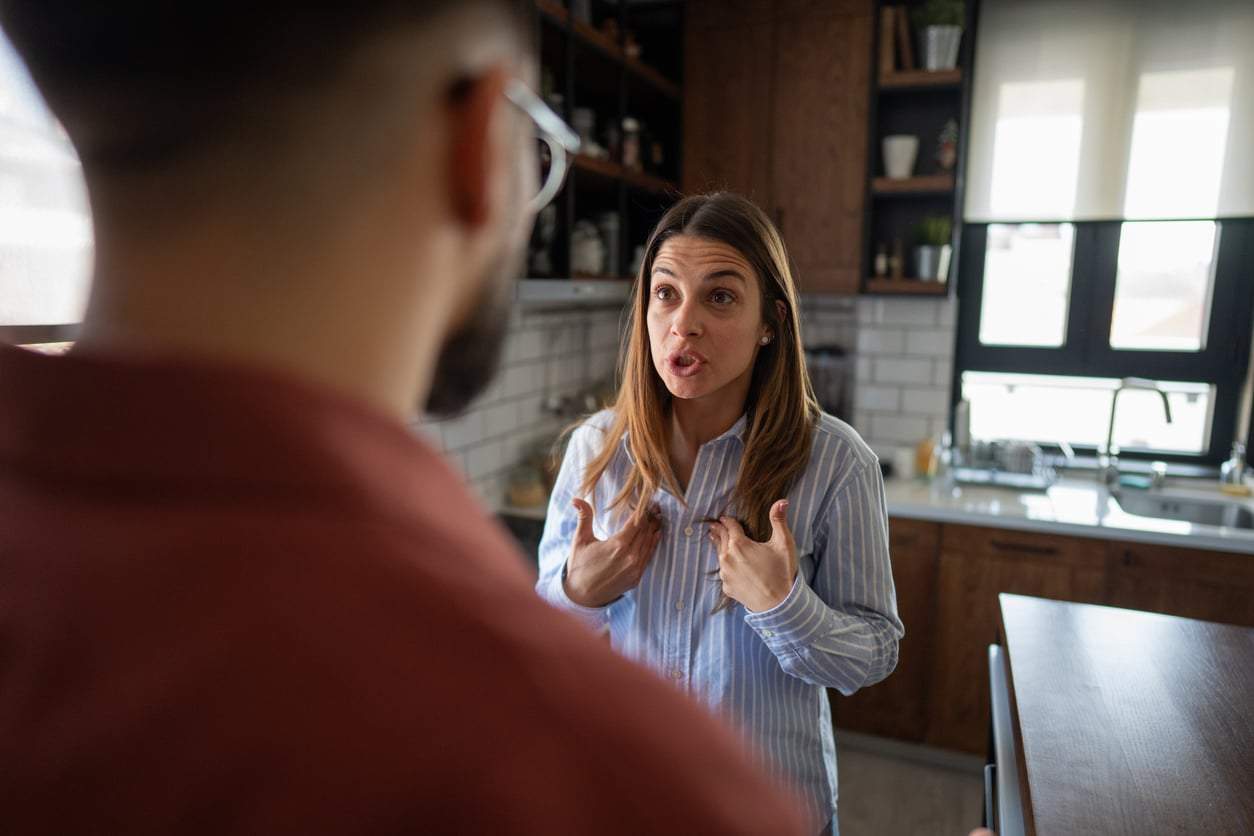
Even at the happiest playgrounds, conflicts happen. Children argue over equipment, someone gets bumped, feelings get hurt. These moments call for patience and a measured response — not an escalation.
Scolding another person's child is rarely the right move. If something happens, the most constructive approach is to calmly describe what you saw to the child's parent and let them handle the situation.
Flexibility matters too. Not every playground visit goes to plan, and learning to adapt to unexpected situations — with grace rather than frustration — is a skill worth modelling. When children see adults handle conflict calmly and fairly, they learn to do the same.
The playground can be so much more than a place to burn off energy. With a little awareness and mutual respect, it becomes a space where children develop emotionally, parents connect with their community, and everyone leaves feeling a little better than when they arrived.