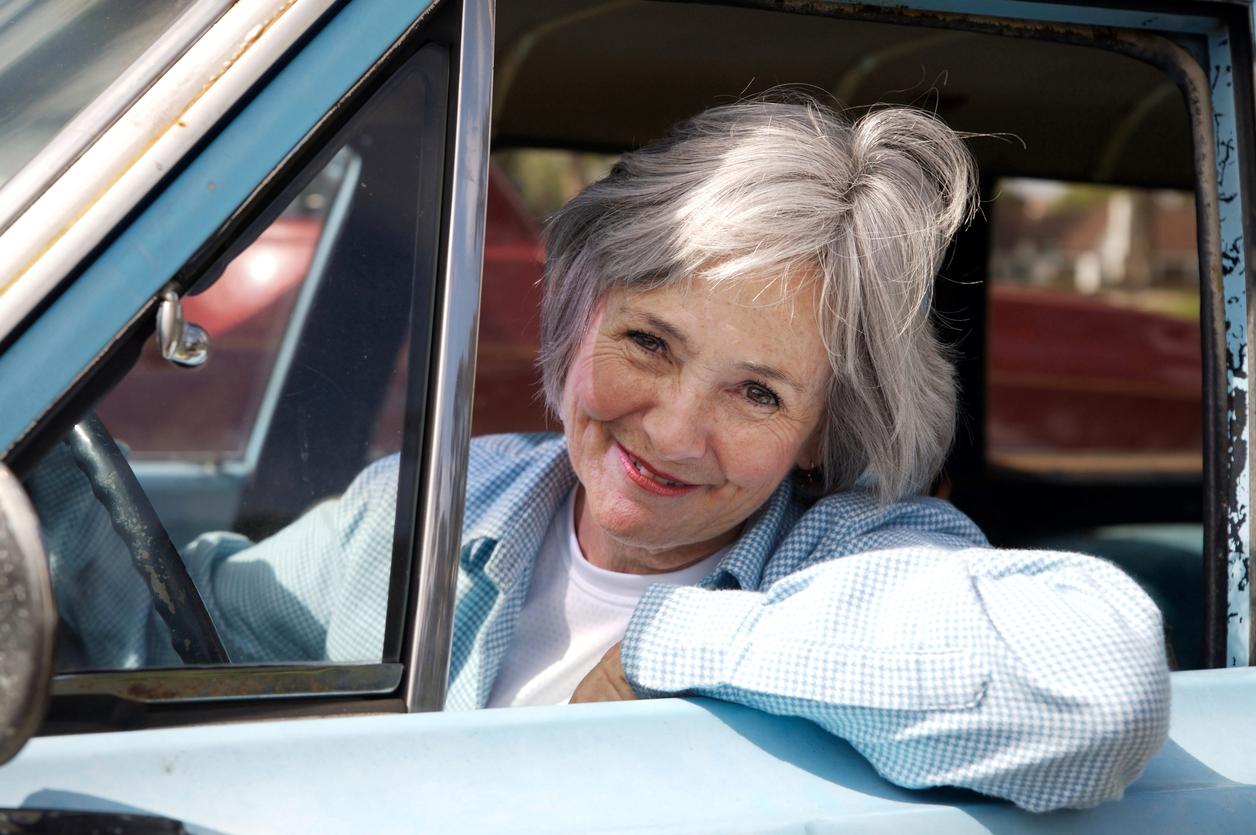
She drove me everywhere during my entire childhood, and I always felt safe with her. Still, I think my mom shouldn’t be driving anymore.
It’s not because she’s a bad driver—she still drives skillfully, thoughtfully, and responsibly. But lately, I’ve noticed she leans closer to the signs, squints against oncoming headlights, and sometimes reacts slower than before. She regularly visits an eye specialist because her vision is worsening. Although her doctor hasn’t forbidden her from driving yet, I’m increasingly worried.
This is the moment to face a tough question: can I step in here?
Driving is so much more than just a practical way to get around. It’s a symbol of freedom. Proof that you’re independent: you can go where you want, when you want. No need to ask for help or adjust to others. Losing that isn’t just about convenience—it can feel like losing a part of your identity.
Maybe that’s why it’s so hard to talk about.
Many think that if someone accepts they’re aging, they’ll more easily let go of things like this. But I don’t think it’s that simple. Even if someone knows time is passing, they might not fully grasp where they stand in that process.
Aging doesn’t happen overnight. Small changes creep in: vision dims a bit, reaction times slow, night driving gets more tiring. These shifts are much less obvious from the inside than from the outside.
But from the outside, sometimes they’re alarmingly clear.
That’s when we, the kids, find ourselves in a strange role. Suddenly, we’re worrying about our parents the way they once worried about us. But our parents haven’t become children. They’re adults who’ve made their own decisions all their lives.
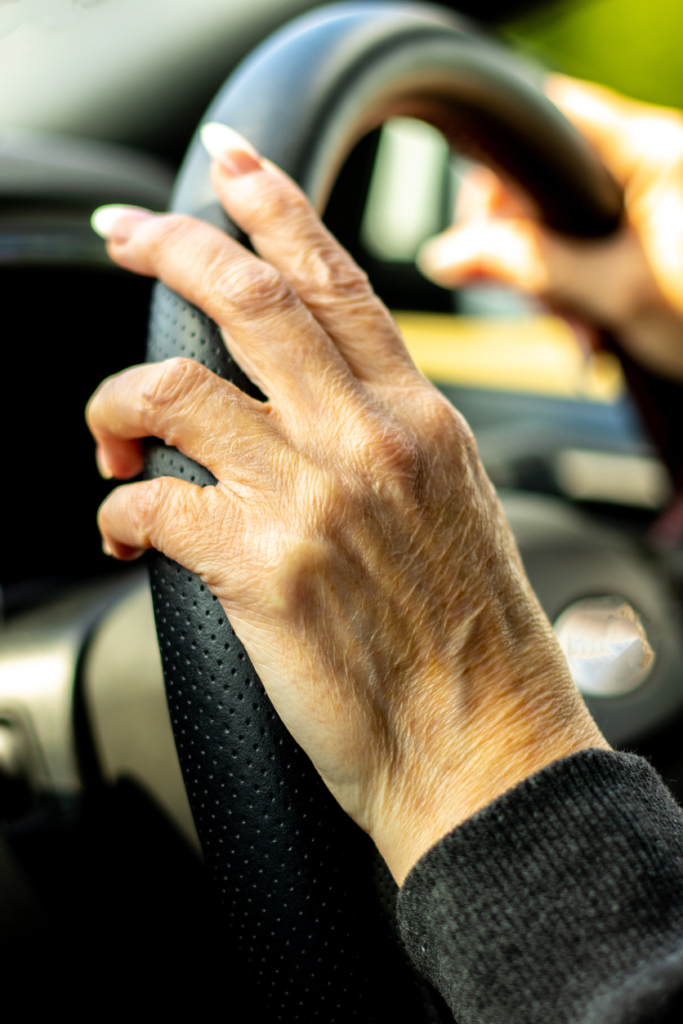
We can’t take away their autonomy.
This is the hardest part. While we feel responsible for our loved ones, we can’t make decisions for them. We can’t simply say, “You’re not driving anymore.” That wouldn’t just be impractical—it would be disrespectful.
What we can do is have honest conversations.
Not with blame or ultimatums, but with openness. We can share our worries. It might seem like a small difference, but it’s actually huge.
It’s also important to listen. Our parents might already feel uncertain. They might sense the changes but find it hard to say out loud—if I put myself in their shoes, I’d find it tough too.
I often think about how strange this whole circle is. As kids, our parents taught us how to navigate life: when to stop, when to pay attention, when to be careful. Now, sometimes we have to try giving that back—with much more uncertainty.
I don’t know how this conversation with my mom will end. Maybe one day she’ll say it’s time to stop. Maybe she’ll keep driving for years.
But I do know that if I bring it up, there’s only one way to do it: with love and respect, remembering she’s still the same adult who’s made her own choices all her life—and who taught me everything.