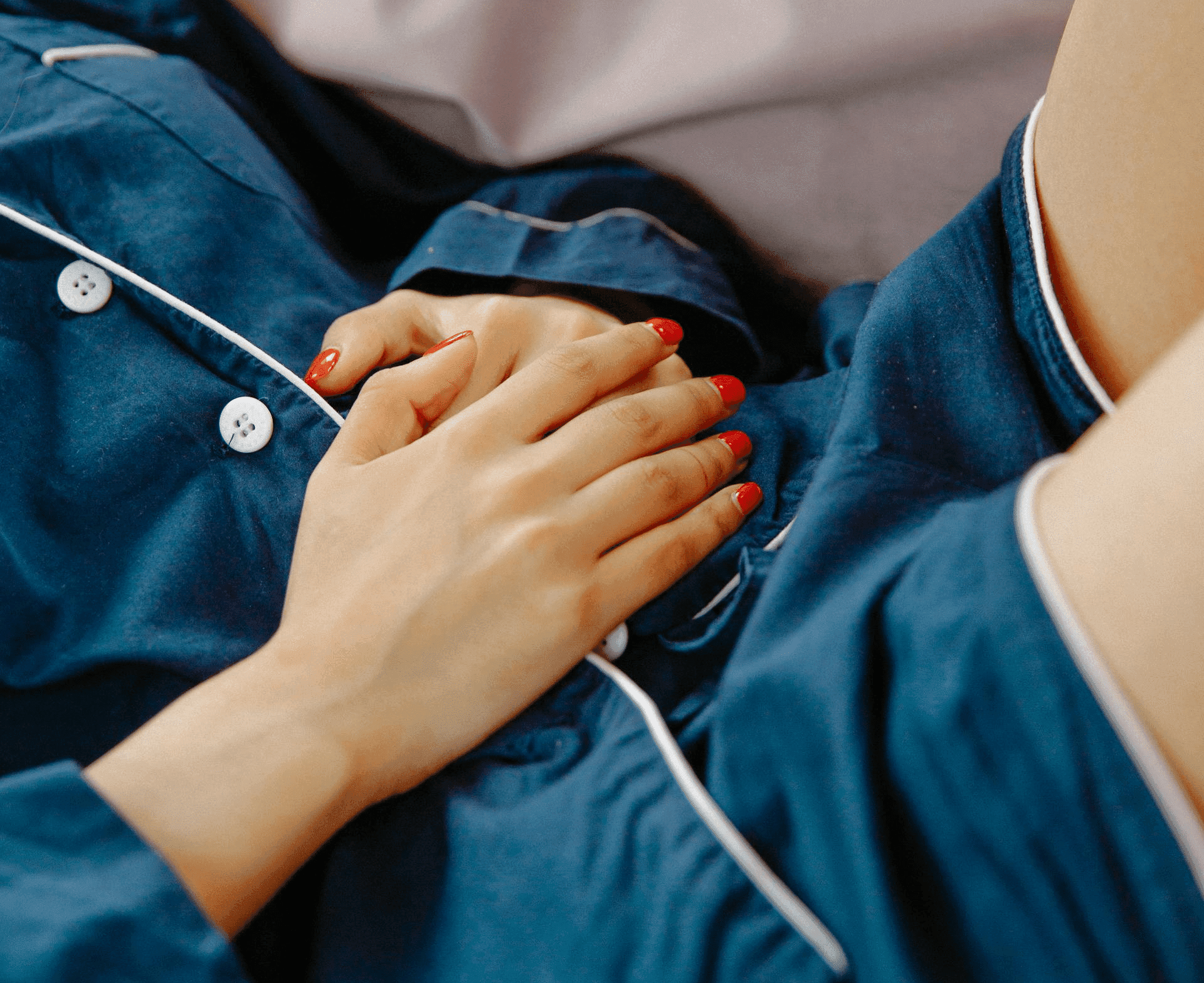
Other girls just shrugged it off: “It hurts a little for me too,” while I sat in the bathroom trying not to faint. The pain came in waves of cramps that swept through my belly, lower back, and sometimes even my thighs. It was so intense I often threw up. Some days I couldn’t get out of bed, and painkillers didn’t always help. I missed days of school because I literally couldn’t walk.
My mom, with sympathy in her voice, always said the same thing: “It’s natural. You’re a woman. Pain comes with it. You just have to get through it.” Back then, I didn’t understand why she said it so matter-of-factly or why she didn’t see that I wasn’t just hurting—I was suffering unbearably. Later, I realized she was taught the same way. She grew up in a world where women’s pain wasn’t taken seriously, where suffering was lumped together with motherhood and femininity—as if it were a price we pay for being born female.
I was twenty-seven when a series of coincidences led me to a thorough check-up—not just the usual annual cancer screening, but an ultrasound too. As the doctor looked at the monitor, she suddenly raised her eyebrows and said, “No one noticed this before?”
It turned out that during my development in the womb, an extra cell had ended up in my body—probably from a twin pregnancy that started but didn’t continue. This tiny cell settled on my left ovary and grew into a huge cyst. It was so large it pushed surrounding organs out of place.
The doctor said it probably started growing in my teens, triggered by hormonal changes when my periods began. The pain I’d accepted as normal for years was actually a warning sign. If it hadn’t been caught in time, it could have affected my fertility—or even cost me my life. I’m lucky they removed the tumor early and saved most of my ovary.
One thing is clear: something has to change. I lived for years with a tumor the size of a ball inside me, and both I and those around me swept its obvious symptoms under the rug, as if it were nothing unusual.
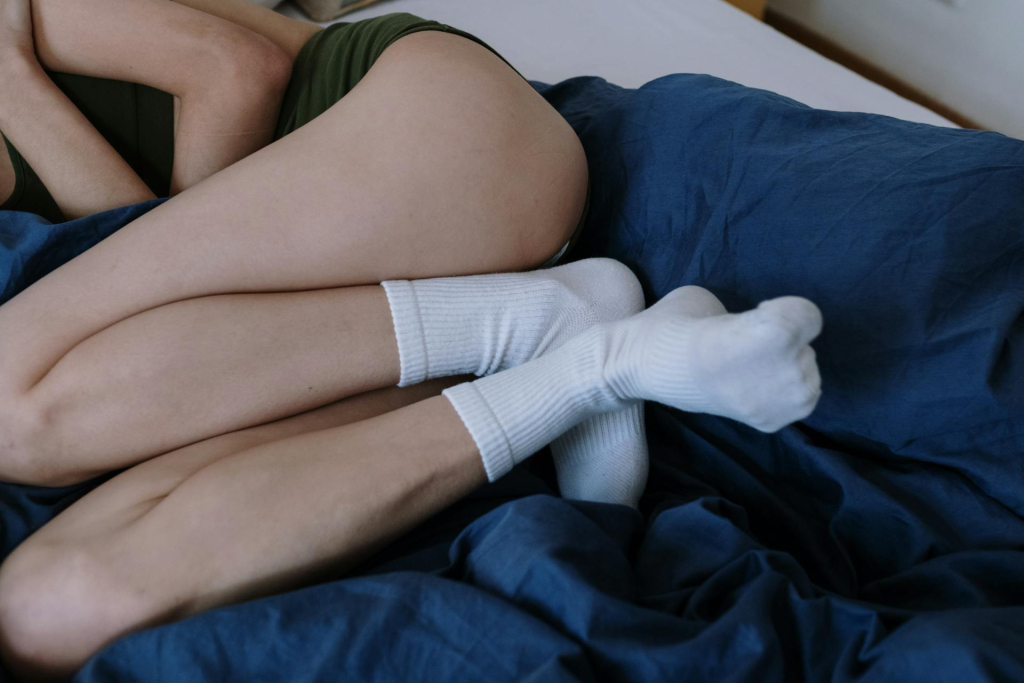
Pain Is Not Normal
Thankfully, more open conversations about women’s pain are finally happening. Doctors, activists, and hundreds of women are demanding that female symptoms be taken seriously. For example, recently in the U.S., doctors urged their peers to recognize women’s pain during IUD insertions and to consider performing the procedure under anesthesia. Here at home, it’s often done without local anesthesia because doctors call it just a “discomfort” that’s “bearable.”
This shows that a culture of endurance still dominates, where women’s pain isn’t news, isn’t a topic, and isn’t a priority.
It’s time to say it loud and clear: women are not hysterical. We’re not weak. We’re not “too sensitive.” And most importantly, we shouldn’t have to endure anything just because we were born female. Not pain. Because pain isn’t always “natural.” Often, it’s a signal that deserves our attention.
When little girls learn to “tough it out,” they grow up doing just that—even if their lives depend on it. The time has come for women to ask for help. To believe that they know their bodies best, and when something feels off, speaking up isn’t complaining—it’s a warning.
It’s time for doctors, society, and our loved ones to learn this too: women’s pain must be taken seriously. Because a dismissed complaint, a waved-off cramp can sometimes cost a life. I survived. Others might not.