I used to think self-awareness required books, courses, or therapy. Now I see those help, but the most intense self-discovery course was started by my own child—without asking and completely free.
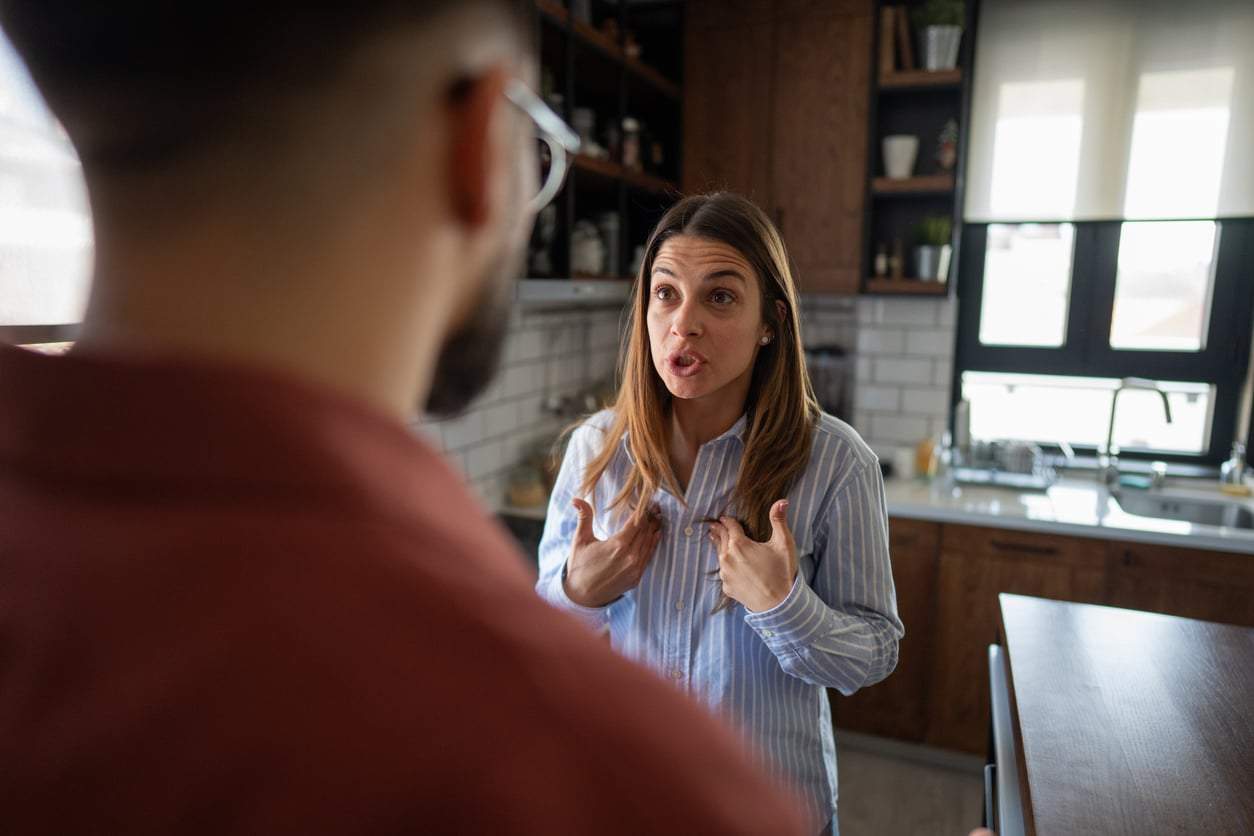
She didn’t do much—just kept pressing the buttons I thought didn’t even exist. Turns out, they do, and I have plenty to work on.
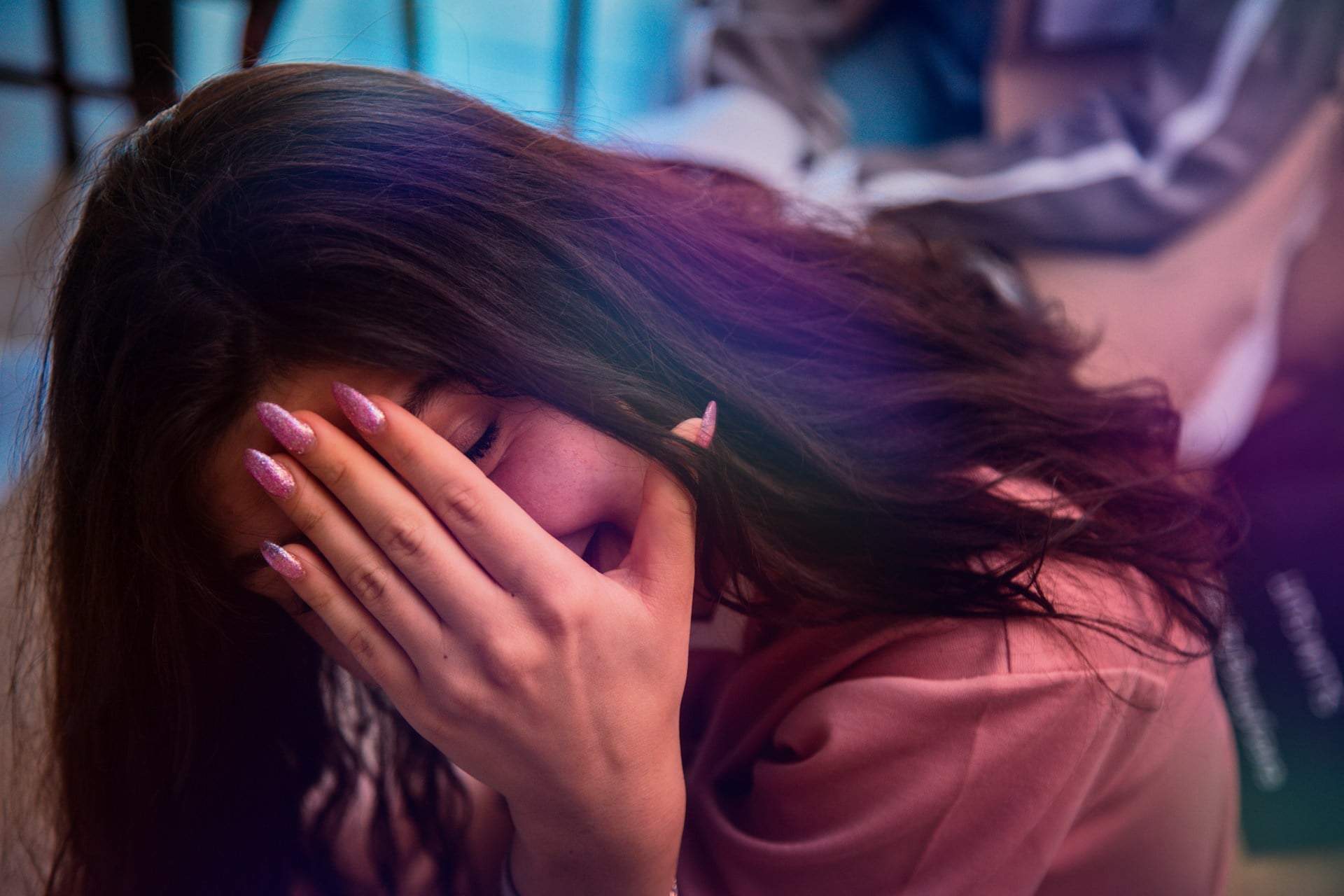
This "free course" isn’t always comfortable. Sometimes it throws me off or embarrasses me, brings tears to my eyes—but one thing I’m sure of: it brings me closer to myself. I now clearly see my pre-teen daughter holds up the sharpest mirror. In it, I don’t just see her but also my own past, fears, and unresolved wounds.
When the Past Suddenly Returns
I remember the moment my daughter first came home saying she was being excluded. Bullied, left out of the group, and no one wanted to play with her.
As I listened to her stories, I suddenly slipped back into my own childhood and couldn’t offer a single helpful piece of advice. My elementary school years were filled with the same pain she was feeling.
Back then, I couldn’t find my place, and only in late elementary and high school did I make true friends. I thought that was long behind me, but when the same happened to my daughter, I just froze.
I later understood: it wasn’t her situation I had no answer for, but my own old wounds. She was simply reflecting what was still inside me. This became clear at the next group session, where I naturally brought up this topic. For the first time, I wasn’t digging into early childhood or generational trauma but found the block in my own teen years.
Therapists say children often bring unconscious patterns of their parents to the surface. It’s not that their story is an exact, unchangeable copy of ours, but through their experiences, our own unresolved feelings emerge. Recognizing and working through these frees not just us but also allows us to truly support our kids.
It’s important to realize that the teen and pre-teen years are a challenging time: kids want independence, and parents often feel threatened. But if we respond thoughtfully instead of reacting on autopilot, we create a calmer atmosphere and build deeper trust.
The Gift of Awkward Questions
It’s not just tough situations but also awkward questions that hold up a similar mirror. When our kids openly ask about sex, menstruation, or erections and we get embarrassed, it usually says more about us. They’re driven by curiosity and ask about natural body functions just like sweating or peeing.
These questions are actually doors: if we have the courage to walk through, we can give honest answers and heal ourselves too. When I realized I couldn’t talk casually about menstruation with my daughter, I took a cycle education course. My goal was to release my lingering discomfort and be not just more informed but calmer during these talks. And again, I found that the course was a gift not only for her but for me as well.
Everything I say to her also helps me release some of what our generation carried as shame and secrets.
Psychologists stress how key it is to normalize sensitive topics. Open talks about the body, sexuality, and emotions support kids’ healthy body image and confidence. Treating these as taboos can plant shame and uncertainty that affect self-esteem long term.
The process is simple: if something embarrasses us, it shows where we need to work on ourselves. Working through these blocks makes us more authentic with our kids and helps us feel lighter and freer.
Kids ask questions to understand the world, and where they turn for answers depends on us. I always try to answer honestly and age-appropriately—even tough questions. If I’m caught off guard, I ask for a moment to think so I can explain better. Usually, I gather myself quickly to give clear answers, while mentally taking notes and reflecting on what might be behind the question.
Experts say it’s okay not to have immediate answers. Saying so models healthy behavior for kids—they learn it’s natural to ask for time and that tough feelings aren’t to be suppressed but managed and healed.
My daughter is only 9, but I already know: the best self-discovery course is hidden in our daily lives, where our kids hold up the most honest mirror. I have no idea where this path will lead, but I’m sure that every tough question answered and every block discussed brings me closer to her—and to myself.