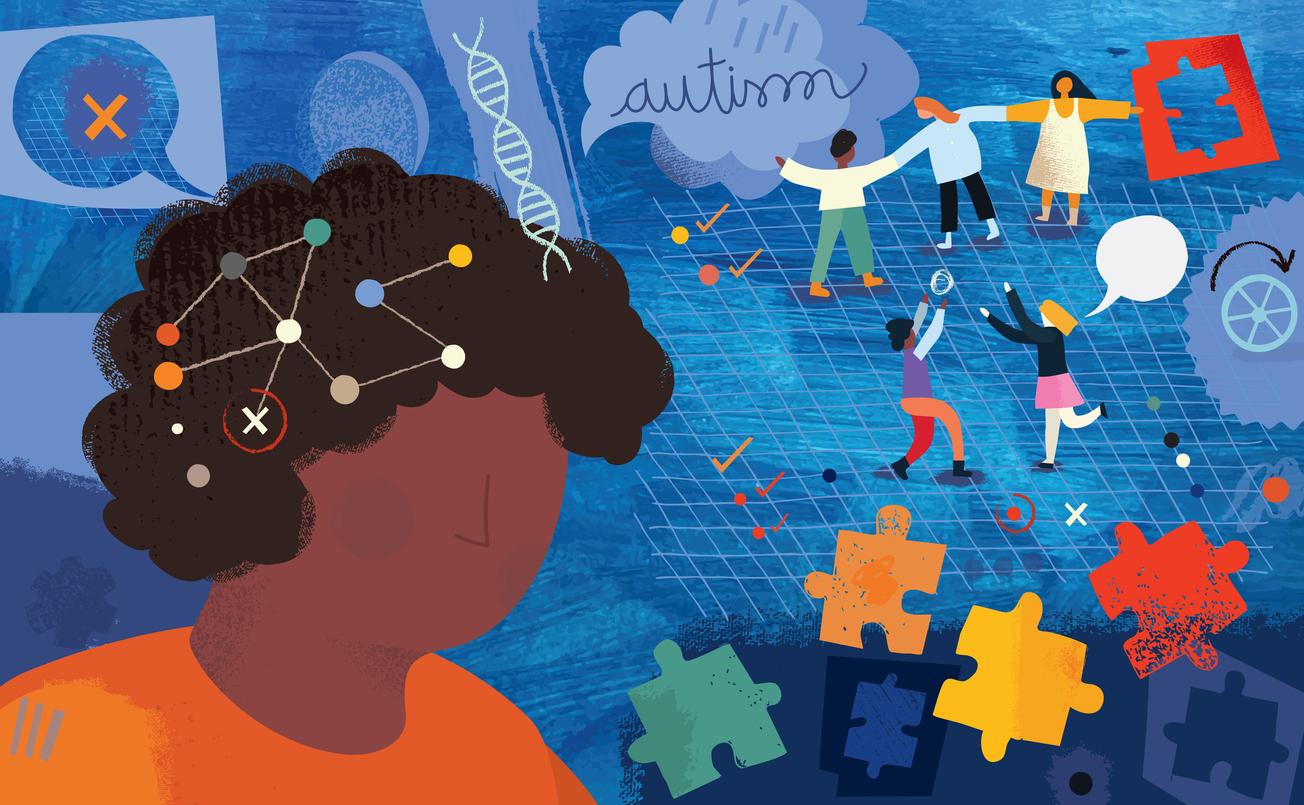
In recent years, I’ve met more and more people who identify as autistic, ADHD, or neurodivergent, only to reveal during conversation that they’ve never seen a professional and based their self-diagnosis on internet research or reading.
Many reflexively dismiss this as: Trendy! TikTok! Self-diagnosis! Everyone’s getting labeled these days! But I don’t.
Not because I ignore the downsides of this trend. I see them clearly. It’s genuinely unsettling how psychological terms fly around in everyday debates nowadays.
Almost everyone’s ex is a narcissist, their boss borderline, their kid ADHD. Sometimes, it’s just that the person disagreed with us or communicated poorly.
Or—and this is often forgotten or ignored, especially when it’s about a former partner we chose—sometimes someone is simply not a good person. Because not every hurtful behavior stems from neurological differences. Sometimes, someone is just irresponsible, immature, or selfish. That’s not a disorder; it’s a character flaw.
I also fully agree that getting an autism or ADHD diagnosis is serious business. It’s not an online checklist or a “if three apply to you, then…” quiz. These are complex, differential diagnostic processes requiring trained professionals, multiple assessments, medical history, and often family interviews. A quick online test can only point you in a direction—not give a diagnosis.
Still, when someone tells me they think they’re autistic but haven’t seen a doctor yet, I don’t start doubting them. I don’t say, “Everyone thinks that nowadays.”
Partly because through family experience, I know exactly how the healthcare system works. Waiting lists often feel endless. Waiting two or three years for a state-funded ADHD evaluation isn’t uncommon. Meanwhile, the person is left with questions, struggles, and daily challenges. Private care is faster but not everyone can afford the several-hundred-dollar assessment packages.
In this situation, self-diagnosis is often not arbitrary labeling but a desperate lifeline. An explanation for why social situations are so exhausting. Why too much stimulation overwhelms. Why deadlines slip. Why the world feels different.
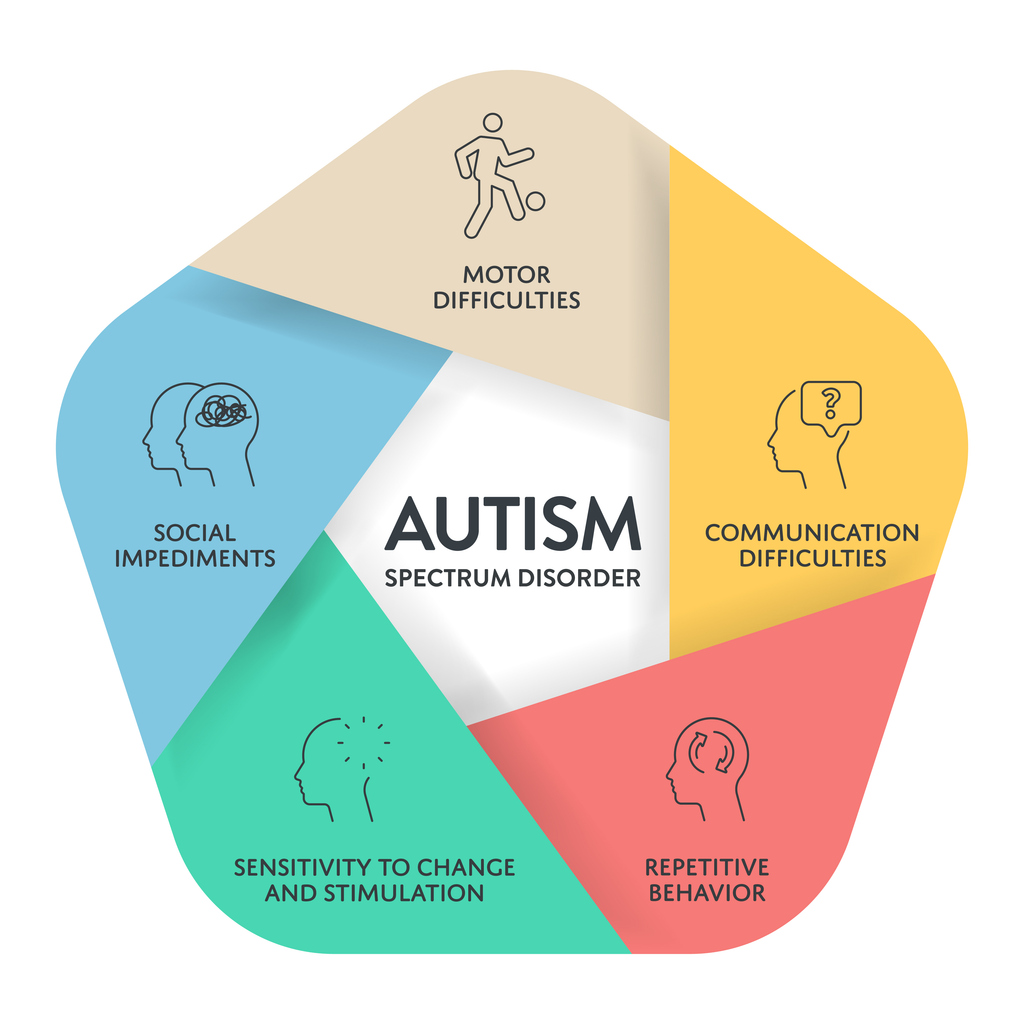
Self-diagnosis does have risks. Someone might misinterpret symptoms. Anxiety, depression, or trauma might be behind the struggles, not neurodivergence. Labels can narrow perspective. But there’s another side: self-awareness.
When someone starts reading about autism or ADHD and recognizes patterns in themselves, it’s often not making excuses but real insight. “I’m not lazy.” “I’m not scatterbrained.” “I’m not rude.” Maybe my nervous system just works differently. And if that’s true, I need different strategies.
Self-diagnosis—for lack of better options—is often the first step toward self-compassion. Until there’s official paperwork. Until there’s a formal stamp.
It’s important to distinguish between someone waving a label as an identity and someone quietly trying to understand themselves. The former can be superficial. The latter is brave.
So if you tell me you’re autistic but haven’t seen a doctor, I won’t think you’re doing it for attention. I’ll think you’re searching for answers. Trying to make sense of your experiences. Maybe you’re on long waiting lists or facing financial barriers. Meanwhile, you’re reading, taking notes, diving into therapy books, listening to podcasts, and trying to live your best life.
I respect your journey.