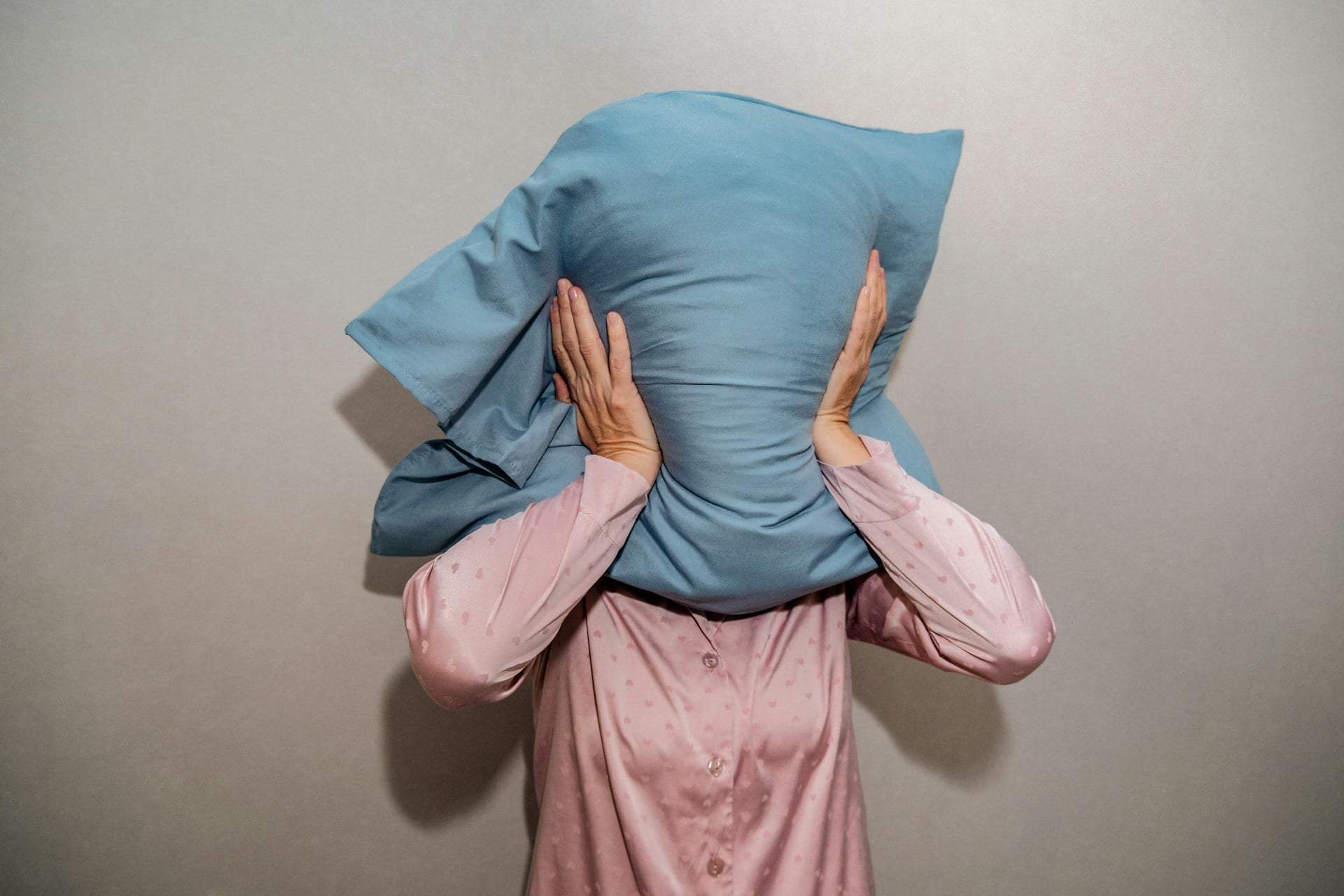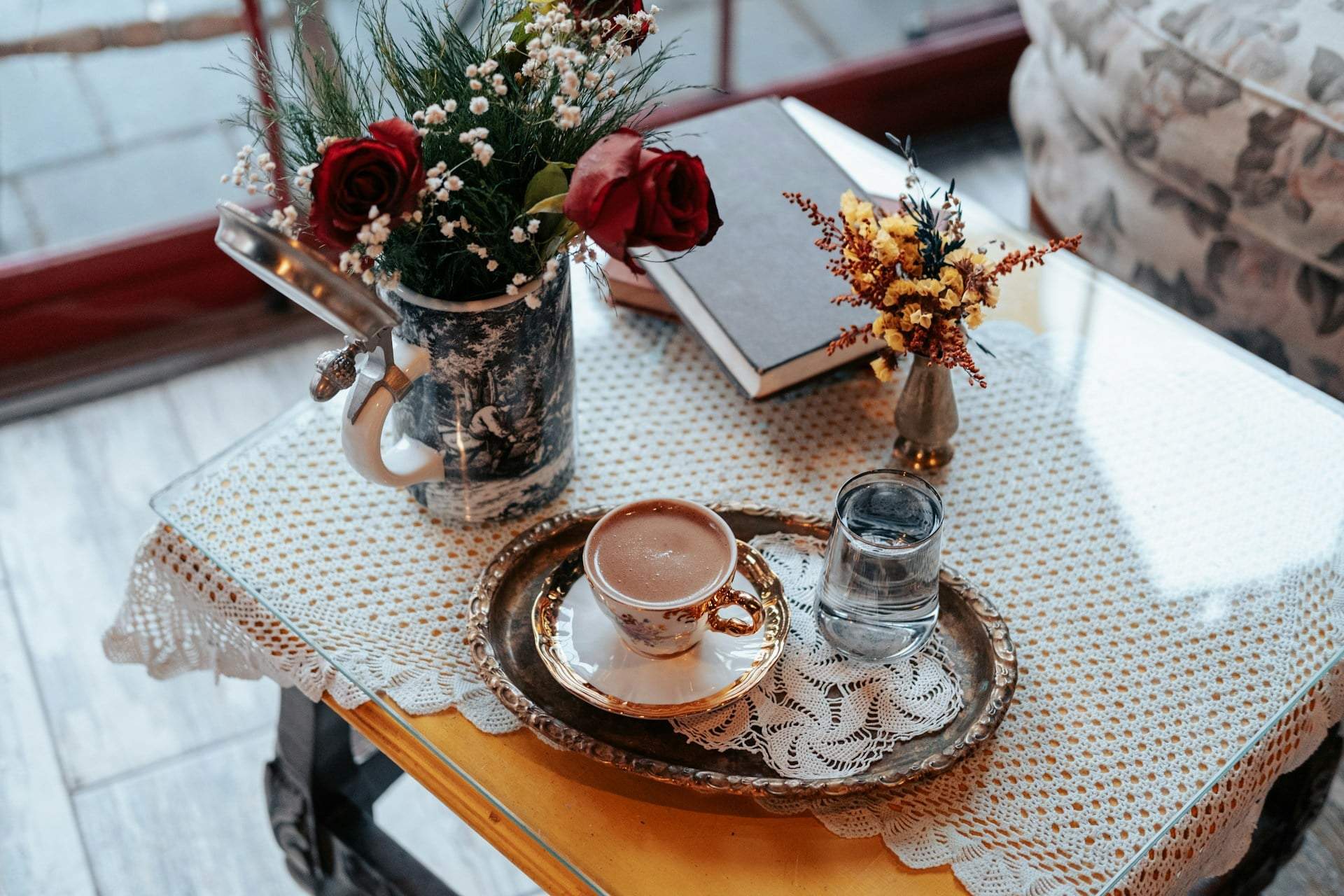
There is a particular silence in a home where the boxes have finally been flattened and taken out. The keys work, the kettle has a place, the beds are made — and yet nothing feels like yours. A trending conversation this week about a public figure moving her children into a new space and calling it the next phase seemed to land with a lot of women, because most of us know that a move after a separation is not really about square footage. It is about learning to be at ease in rooms that have no history with you yet.
Unpack in the order your day actually happens
Most people unpack by room, which is why the kitchen gets done and the rest of the flat stays in cardboard for six weeks. Try unpacking by hour instead. What do you touch between waking and leaving the house? Kettle, mug, one good pan, toothbrush, the mirror you like your face in, a lamp for the corner you will sit in at night. Get that sequence working within the first forty-eight hours and the place immediately behaves like somewhere you live rather than somewhere you are camping. Everything else — books, the box marked miscellaneous, the pictures — can wait for a weekend when you have the energy to make decisions rather than just survive them.
One practical rule: hang something on a wall on the first night. Even one photograph, even crookedly. Blank walls signal impermanence, and after a separation your nervous system does not need any more signals of impermanence.
Finish the children's rooms first, even if yours stays chaotic
Children read the state of a home as information about whether the adults are coping. A finished bedroom — bed made properly, familiar duvet cover, the same bedside lamp, their own things at their own height — does more reassuring than any conversation you can have. Let them choose where the bed goes if the room allows it. Let them keep the ugly poster. The point is not decor, it is the message that they have territory here and it is not provisional.
Be honest and unelaborate about the practicalities: which nights they are here, where their school shoes live, how they get in touch with the other parent. Children tolerate change far better than they tolerate vagueness. And resist the urge to make the new place fun in a way the old place was not. Competitive homemaking exhausts you and confuses them.
The grief arrives after the boxes do
Nearly everyone I have spoken to about this describes the same delay. The move itself is adrenaline: logistics, deadlines, lifting. Then one ordinary Tuesday about three weeks in, you reach for a drawer that is not there and something opens up. This is normal, and it is not a sign the decision was wrong. Grief is not a referendum on your choices; it is the body catching up with a change the mind made months earlier.
Give it somewhere to go. A walk on the same route each evening, a phone call you always make on Sundays, a notebook nobody reads. If the flatness does not lift, or if it starts eating your sleep and appetite for weeks at a time, that is a good moment to talk to a professional rather than to wait it out alone. There is no medal for handling a separation with no support.
What to bring from the old house — and what to leave
Bring the things with your handwriting on them: the recipe card, the mug from a trip you took before any of this, the blanket everyone fights over. Leave the objects that only exist because someone else chose them, and the furniture you privately resented for years. You do not need to purge dramatically — a purge is often just grief in a hurry — but you also do not need to reconstruct the old living room in a new postcode. Somewhere between museum and blank slate is the version you can actually live in.
How long does it take for a new home to feel like home?
Most people find it takes a full seasonal cycle before a place stops feeling borrowed — you need to have been cold in it, had a bad night in it, cooked something good in it and had someone laugh in it. The turning point is rarely the decorating; it is usually an ordinary evening when you realise you stopped narrating the newness to yourself.
Should I keep furniture from my old life or start again?
Keep whatever is genuinely useful and genuinely yours, because replacing everything at once is expensive and oddly destabilising. The pieces worth replacing first are the ones with a specific memory attached that you flinch at daily — the bed, usually, or a particular armchair — and those can be changed one at a time as budget and feeling allow.