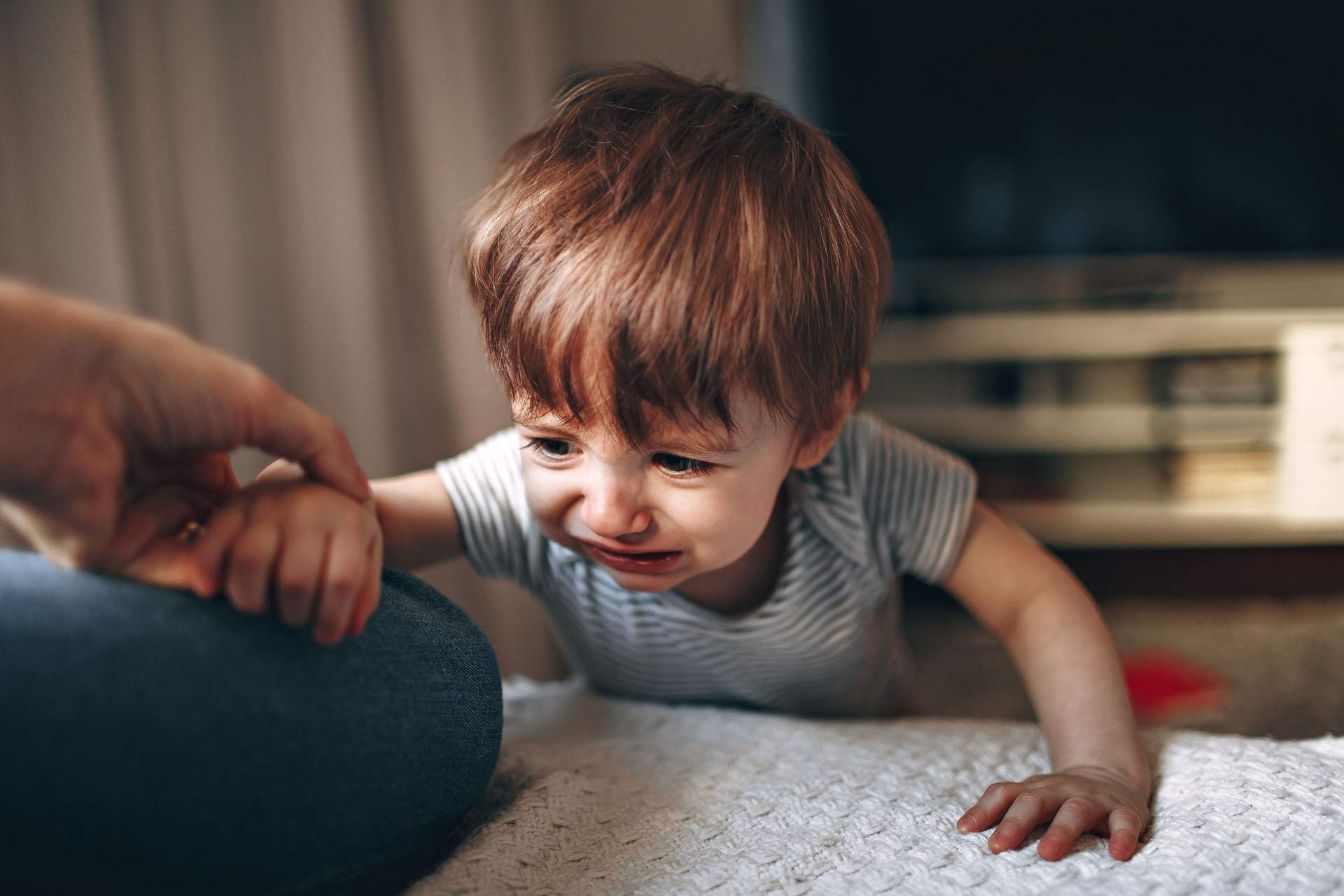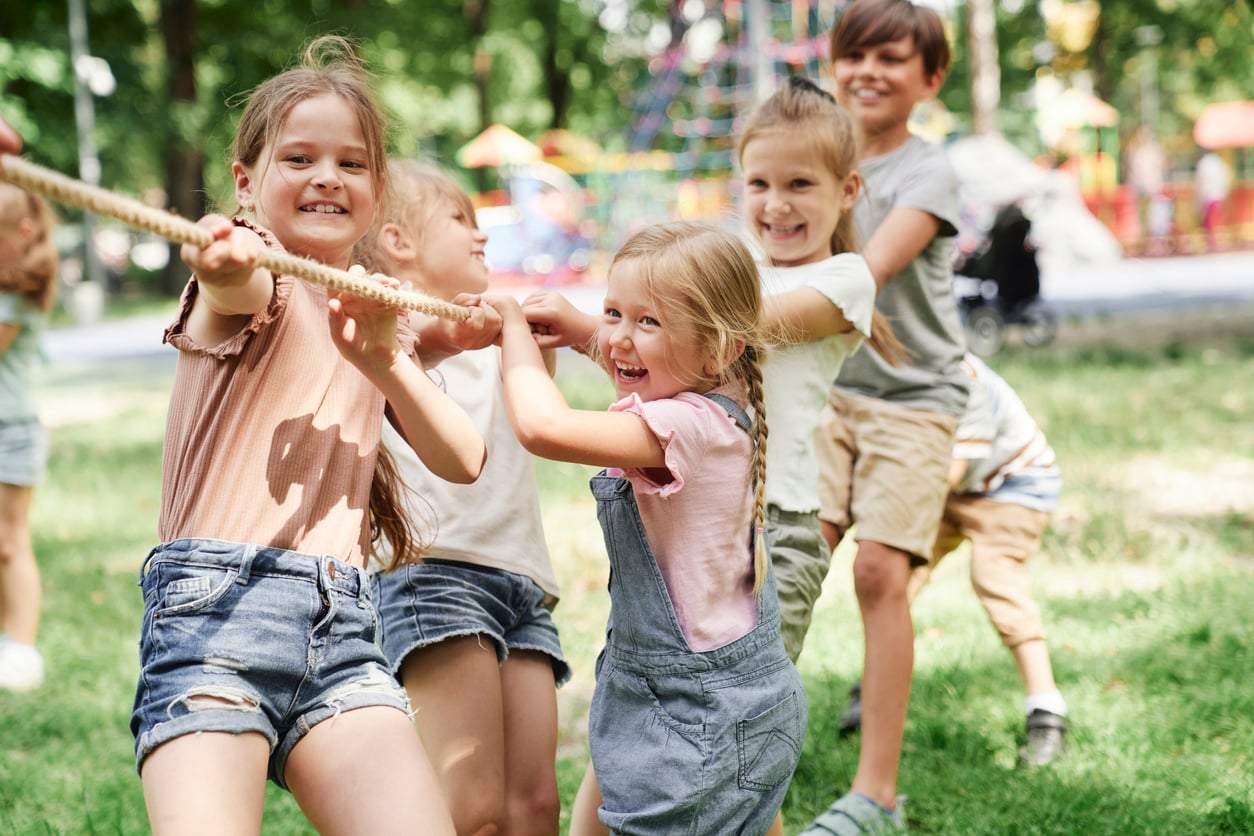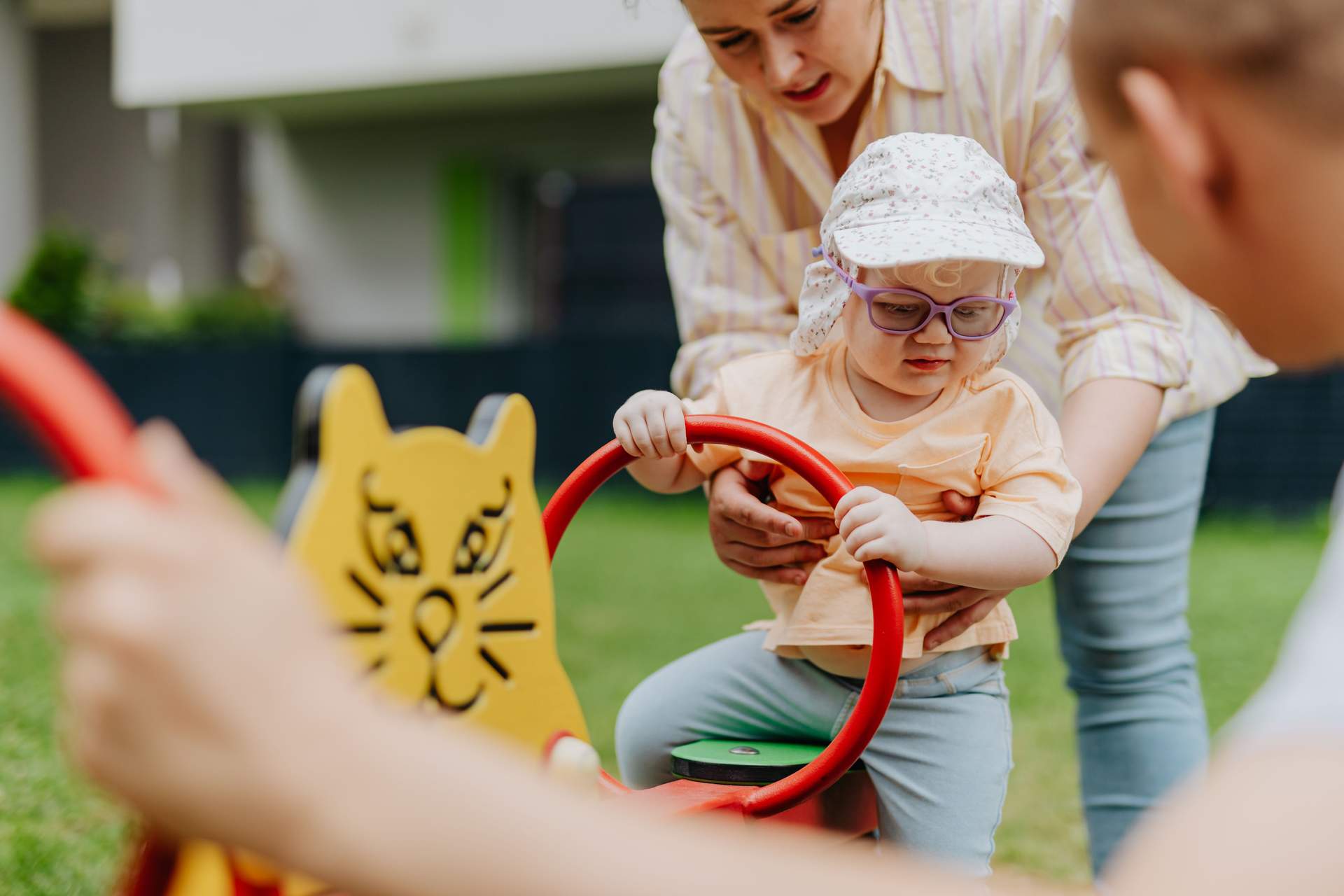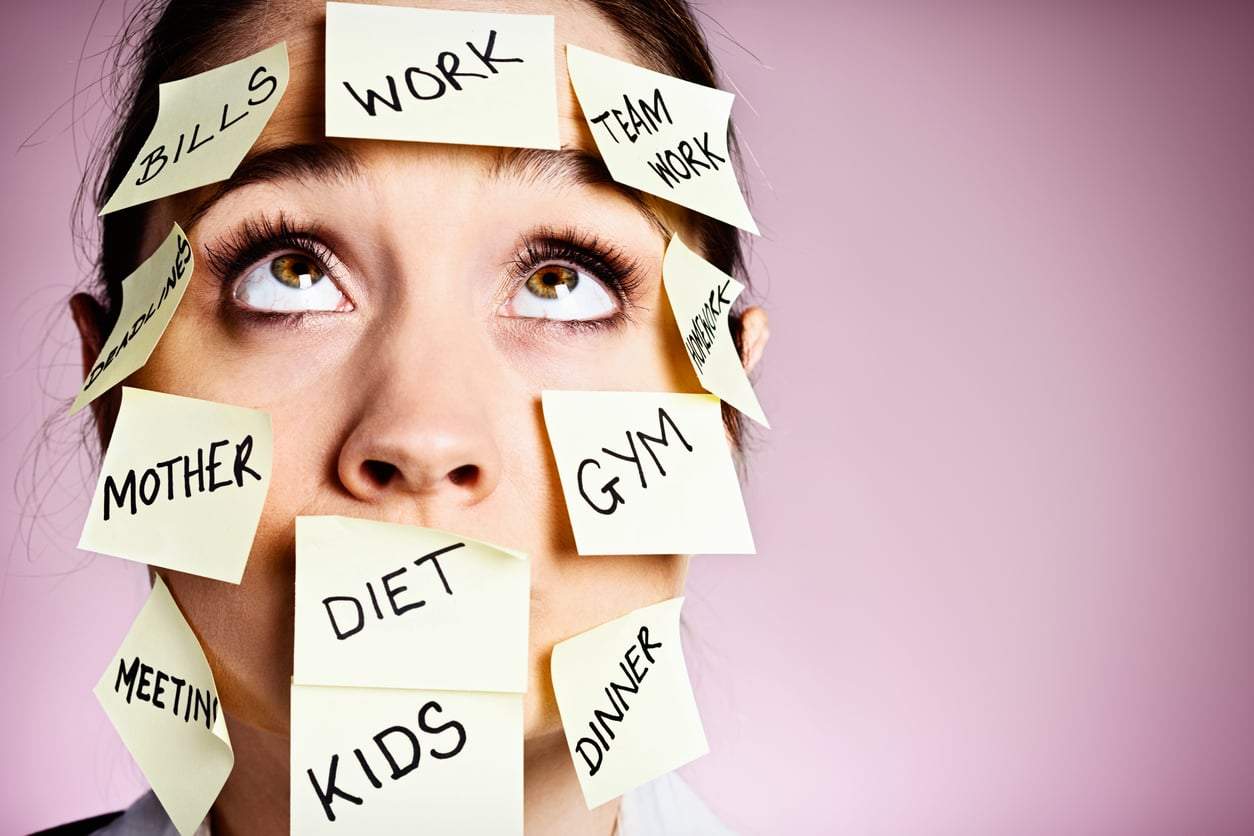
We’re among those who decided to raise "just" one child, despite many trying to convince us otherwise. Other parents often said it’s not ideal to have only one child because "we’ll have to keep them entertained ourselves." I was wide-eyed when I heard that…
There Are Lots of Negative Stereotypes
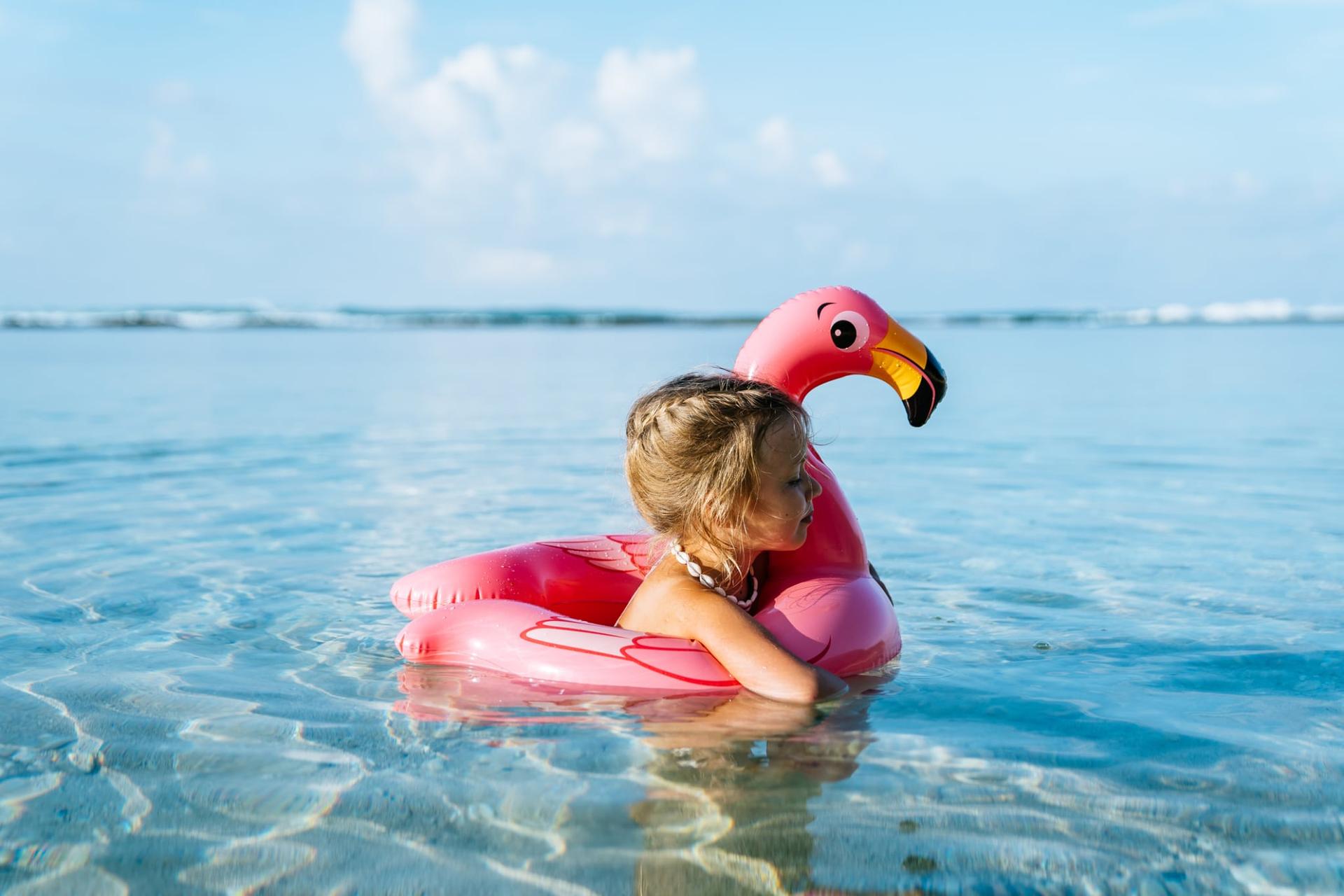
For me, being with my child isn’t tiring — I actually enjoy their company. I’m really feeling this now. She’s 6, just went to her first camp, and I drop her off at 8 a.m. and pick her up at 4 p.m., just like a typical preschool day. But I used to pick her up every day after lunch, she spent some afternoons with her grandmas, and the rest with us. Now it feels strange and a bit sad to be apart all day. She’s slowly becoming more independent, and she’s doing it so well—I’m proud. I know I’ll have to let go gradually. But I never thought about having a sibling just so she’d have someone to play with—someone to replace me.
I’ve had other negative experiences too. Once, a preschool teacher hinted, "Well, an only child…" implying she’s not exactly a model of patience. Sure, some only children can be impatient, but so can siblings. My daughter has had this personality since birth—at the hospital, after routine checks, they said, "She definitely knows how to get what she wants."
Yes, she’s chatty and sometimes impatient, but she’s clearly growing in this area too. I believe her temperament plays a bigger role than being an only child. Still, only children often get labeled as selfish, unable to compromise, spoiled, or thinking they deserve everything. These are unfair stereotypes that don’t hold up—not just for my daughter but also for my adult friends who grew up without siblings.

Being an Only Child Has Many Benefits for Both Parents and Kids
One Child Means Two Parents’ Full Attention
When we go out for family time or activities, it’s such a relief not to have to split our attention—we can focus fully on our child. It’s way easier to get out and about than if we had two or three kids to watch. I often see overwhelmed parents with multiple children, especially when not everyone is equally interested in the activity.
Of course, some big families are very well organized, and I respect that. But for us, it’s definitely easier to care for one child—who doesn’t even need constant attention anymore. Plus, parents with multiple kids often feel pulled in many directions, especially if one or both children need extra care, like when they’re sick.
More Peaceful Playtime
I only realize how important this is when we visit friends with several kids. Sometimes they get along well, but we’ve never been able to hang out without some arguing, fighting, or even physical scuffles between siblings. It feels strange to me because at home, it’s always peaceful.
I’m not saying we never have conflicts or friction, but I often see a level of roughness between kids that feels very foreign to me.
When my daughter was younger, she played alone much more than now, and the only frustration was when her tower collapsed. No one trampled her toys, destroyed them, or knocked over what she was building. I didn’t have to play referee or untangle disputes to decide who deserved a scolding.
Closer Bonds with Parents
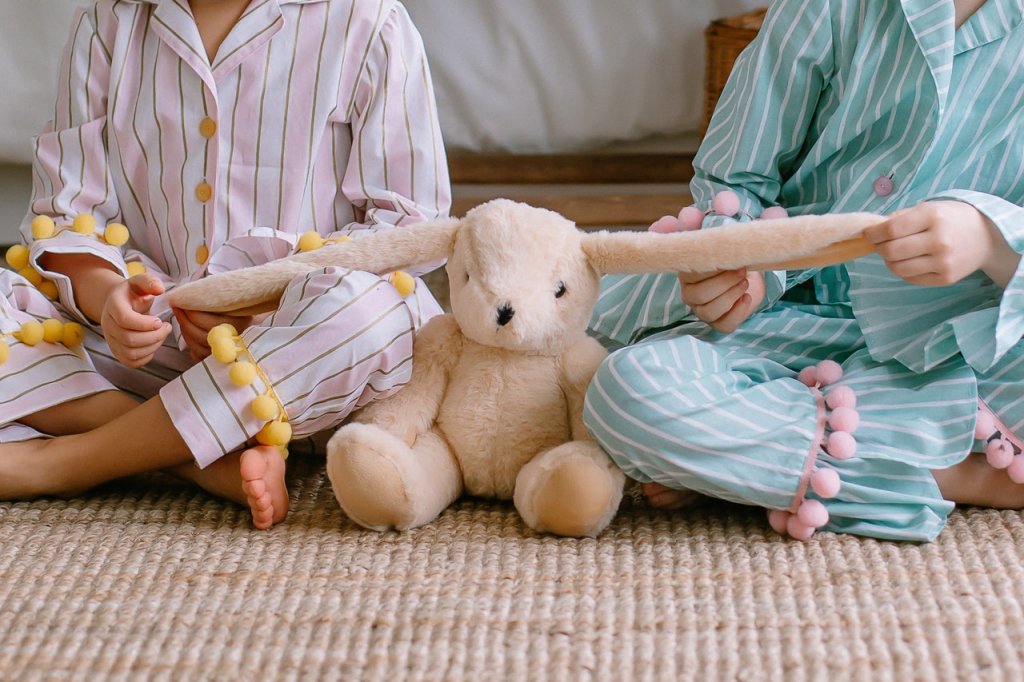
If you thought I’d just spout empty phrases about how having one child is easier on parents, think again. Studies over the past decades show only children maintain closer relationships with their parents even into their teenage years compared to kids with siblings.
Why is that? Speaking from experience, I turned to my older brother for help as a teen before I asked my parents. We supported each other. In families with many kids, where days can feel chaotic, there’s often little time or space for deep conversations. This can have long-term downsides.
They Often Lead in Many Areas
A Chinese study found that only children and youngest siblings tend to have broader interests, more ambition, confidence, and intelligence compared to others. These benefits aren’t just short-term. Follow-up research showed only children had the highest chances of attending university and landing better-paying jobs than those who grew up with siblings.
Bonus: the same study confirmed these kids process difficult emotions more easily than those with siblings.
This likely relates to their closer ties with parents. It also connects to findings that only children experience lower rates of adolescent depression. Researchers suggest siblings sometimes complicate adolescence, increasing risks of anxiety and depression within families.
Their Social Skills Are Just as Strong
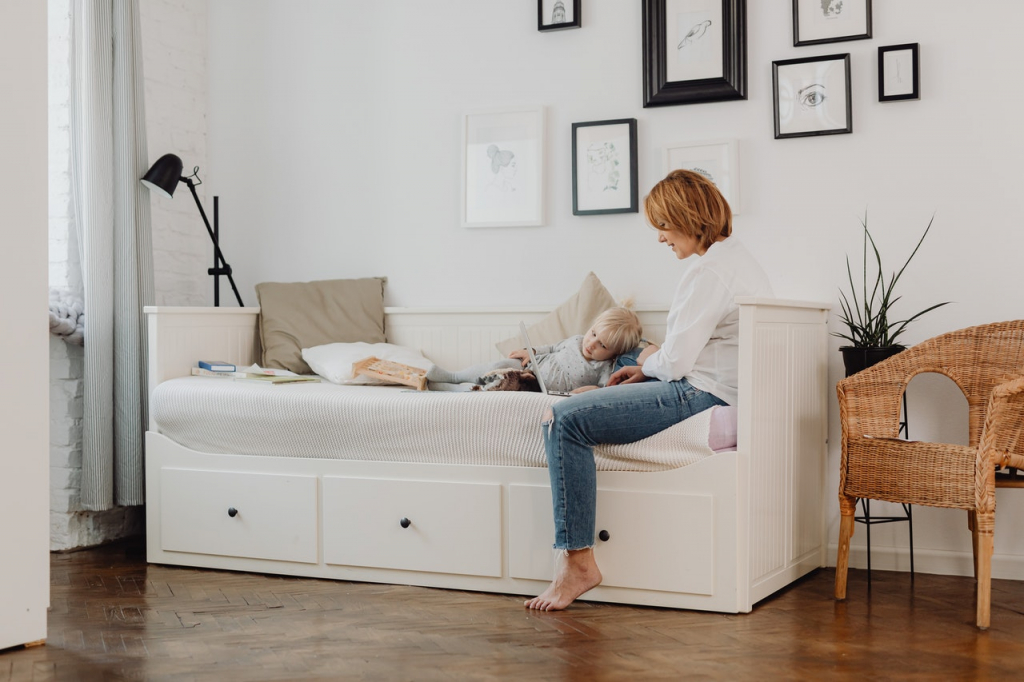
Despite the negative traits often pinned on only children, research shows these are just adult prejudices. Kids without siblings are just as skilled in social interactions as those with brothers or sisters. Another study found they have just as many friends as children who grew up with other kids from infancy.
Fewer Kids Means Less Environmental Impact
From an environmental perspective, having one child is better than having more, but not having children at all is best. Every new life significantly increases harmful emissions on Earth. A 2017 Swedish study showed that if families in developed countries had just one fewer child, it could save about 58.6 million metric tons of CO2 annually—more than the entire U.S. cement industry emitted in 2005.
Of course, this doesn’t mean only children are superior or that having no siblings has no downsides. But it’s time to rethink the outdated social stigma that only children are lacking or at a disadvantage in life.