Bien Logo

Our Kids Are the TikTok Generation: Psychologists Share Their Concerns

Isabella Reed2 min read
Share:
Our Kids Are the TikTok Generation: Psychologists Share Their Concerns — Family
In this article

Family dynamics have shifted dramatically in recent years, mainly due to modern technology and social media’s rise. TikTok, along with other online platforms, is reshaping how family members connect and impacting mental well-being. Psychologists are increasingly worried about teens’ screen time, which has become part of their daily routine.

A recent large-scale survey found that young people spend an average of three to four hours a day on their phones. According to the American Common Sense Media study, children aged 8 to 12 use their phones for over four hours daily, while teens nearly double that amount. This growing screen time raises parental concerns and can affect school performance.

How Does Screen Time Affect Teens’ Mental Health?

Psychologists say excessive screen time has a strong impact on teens’ mental health. Unlimited screen access is linked to anxiety, depression, and sleep problems. On top of that, social media pressure to always be available can lead to body image issues and lower self-esteem.

Social Media: A New Family Challenge
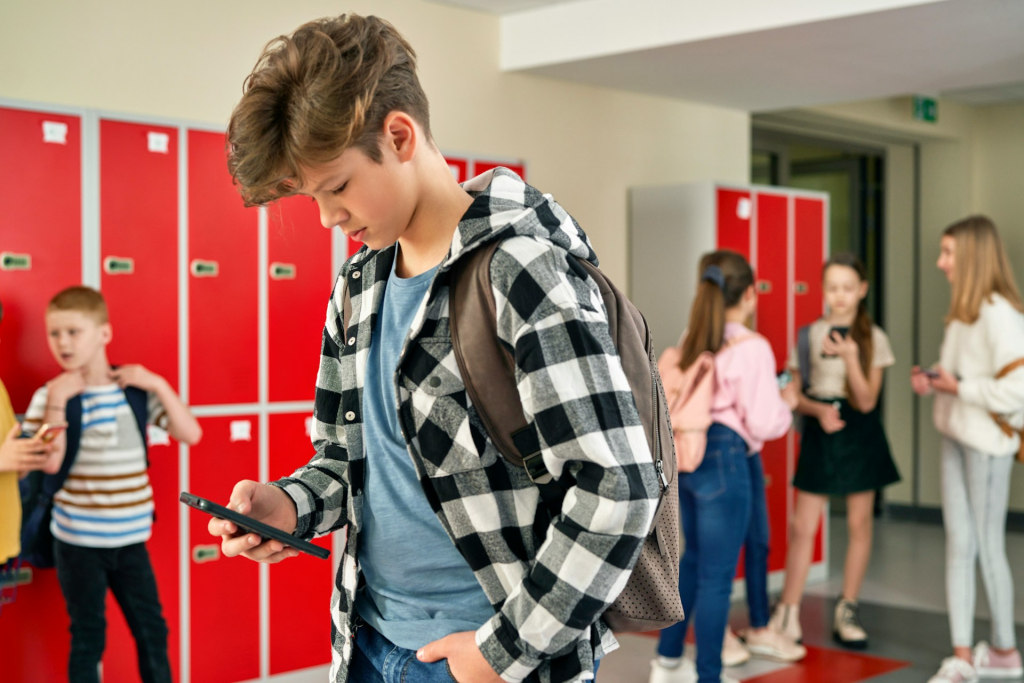
Source: unsplash.com

Parents often feel like they’re competing for attention against social media, which challenges traditional family bonds.

Teens often feel the online world is with them, unlike family interactions, which can create isolation and communication gaps within families.

What Solutions Do Experts Recommend?

Psychologists suggest several ways to tackle this issue. First, strengthening family communication and planning activities together is key. Parents should not only set rules but also model a balanced digital lifestyle. Second, setting screen time limits can be effective. Plus, encouraging offline activities like sports or hobbies helps find a healthy balance.

Technology will be a normal part of future generations’ lives, and social media will naturally fit into their world. Still, psychologists emphasize that mindful parenting and raising awareness are crucial to help young people avoid digital pitfalls. With the right guidance and support, families can blend traditional values with modern life in harmony.


Related reads

The psychology of football obsession: why men love the game so deeply — Lifestyle

The psychology of football obsession: why men love the game so deeply

Millions of men are passionate about football — but what's really going on beneath the surface? The psychology behind fan culture is more fascinating than you'd expect.

Isabella Reed
8 things strict parenting leaves behind in you as an adult — Family

8 things strict parenting leaves behind in you as an adult

Growing up under strict rules can shape you in ways you never noticed. Here are 8 lasting psychological effects of a rigid upbringing — and why they still matter today.

Isabella Reed
The best Children's Day activities in and around Budapest that the whole family will love — Family

The best Children's Day activities in and around Budapest that the whole family will love

From wizarding exhibitions to scenic train rides, here are the most exciting Children's Day activities in and around Budapest for an unforgettable family day out.

Inez Foster
7 things about Mother's Day we only truly understand as adults — Family

7 things about Mother's Day we only truly understand as adults

We all celebrated Mother's Day as kids — but growing up changes everything. Here are 7 things that only make sense once you're an adult.

Isabella Reed
Make it a habit: How to show up on social media consistently in 2026 — Lifestyle

Make it a habit: How to show up on social media consistently in 2026

Not sure what to post — or why it even matters? In 2026, your social media presence speaks for you before you say a word. Here's how to make it work.

Margaret Wolf
When AI Feels Like Love: The Psychology Behind Emotional Attachment to Artificial Intelligence — Lifestyle

When AI Feels Like Love: The Psychology Behind Emotional Attachment to Artificial Intelligence

What starts as a simple chat with an AI can quietly become something far more intense. Here's why some people develop real emotional bonds — and where it gets dangerous.

Barbara Lee