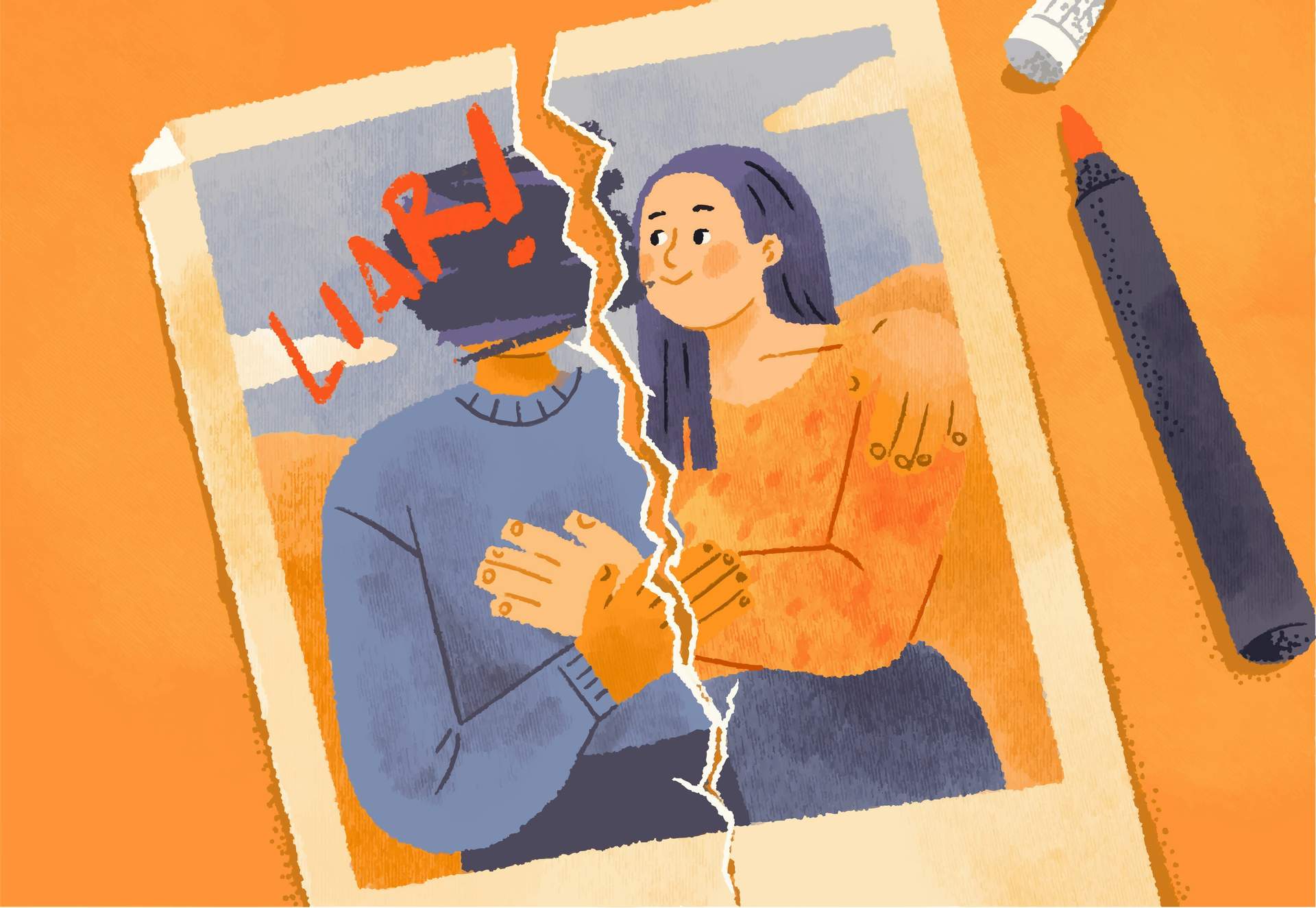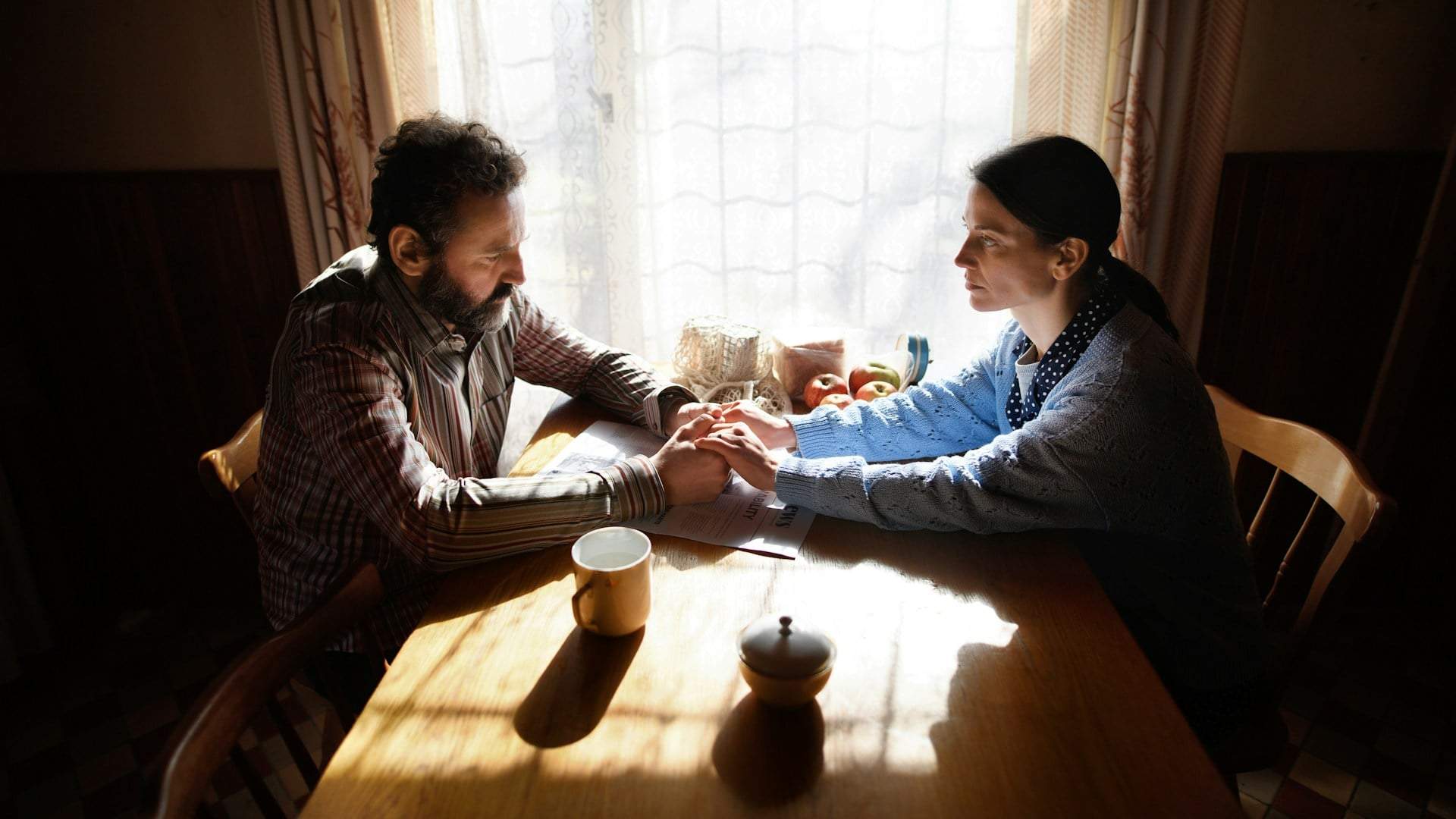
When you move from a long friendship to a romantic relationship, you’d think the shared history and deep understanding would be a solid foundation. We thought so too. Yet, at the start of our relationship, it felt like we suddenly spoke different languages: we said different things, understood differently, and most importantly, wanted different things. Sometimes, it was even unclear if we were talking about the same thing at all.
Though our attraction and bond were strong, it quickly became clear that daily life together held far more challenges than we expected.
Believing that our years of friendship weren’t by chance, we decided: we wouldn’t give up just because it was tough. We actively sought solutions and consciously embarked on the often uncomfortable journey of self-discovery. We started couples therapy and picked up several self-help books—one of which completely changed our perspective.
That book introduced me to the concept of attachment traumas in detail, and early on it became clear: I have an anxious attachment style, while my partner leans toward avoidant attachment.

What Does This Look Like in Everyday Life?
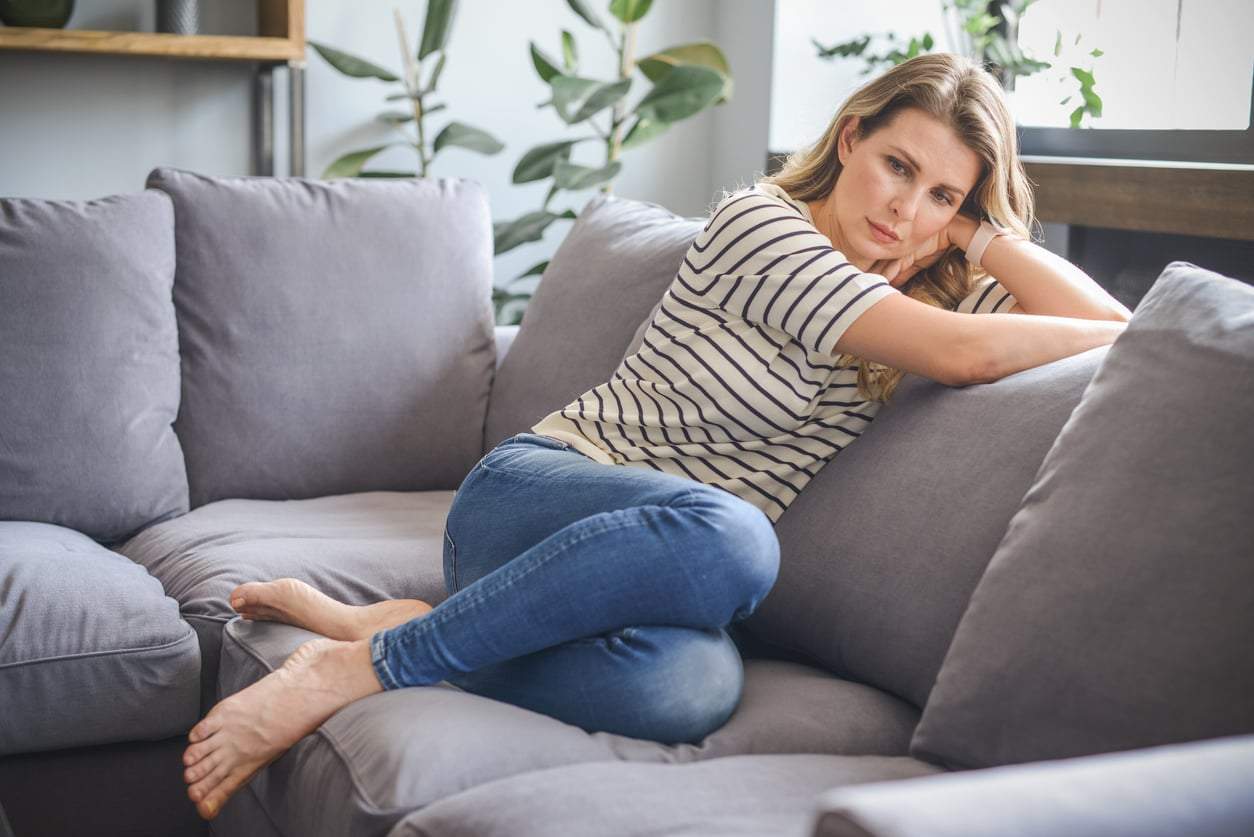
The anxiously attached person craves closeness, reassurance, and security. For them, the relationship is a source of comfort, so when things feel uncertain, they tend to overthink, fear abandonment, and react sensitively to distance or silence.
The avoidantly attached partner, on the other hand, finds security in independence. Closeness can sometimes feel overwhelming, and they may instinctively pull away to protect their freedom—not because they don’t care, but because they’ve learned to guard themselves through emotional autonomy.
One partner reaches out, while the other pulls back—it’s easy to see how this dynamic can cause misunderstandings when these two fall in love.
I’ll never forget the moment I reached the chapter explaining how different attachment styles interact. It included a blunt, tough sentence about anxious-avoidant couples: “These two people can learn to live together, but it requires so much work from both sides that most give up before succeeding.”
That sentence was hard to read. Facing the expert opinion that our relationship had slim chances was tough. Yet, I believed we wouldn’t be just another statistic. I stubbornly believed it. Luckily, my partner believed it too. We believed we could be the exceptions—not because we were extraordinary, but because we were both willing to work on ourselves and our relationship. And of course, because we were madly in love.

That’s where the real work began. Honest talks where we voiced our fears—fear of abandonment, anxiety over too much closeness, and the intentions behind misunderstood gestures. We learned to recognize our patterns: when I got too close, I wasn’t trying to smother but seeking comfort; when he withdrew, it wasn’t rejection, just a different rhythm.
Couples therapy helped us translate each other’s language. To replace instinctive defense with understanding. I learned that distance isn’t always rejection. And he learned that closeness is not a threat, but an opportunity.
Today, we live happily as a couple, genuinely satisfied with our relationship. Not because one of us "fixed" the other or we changed each other, but because we recognized our own attachment patterns and learned to cooperate. Two imperfect people who want to stay together and truly make each other happy.