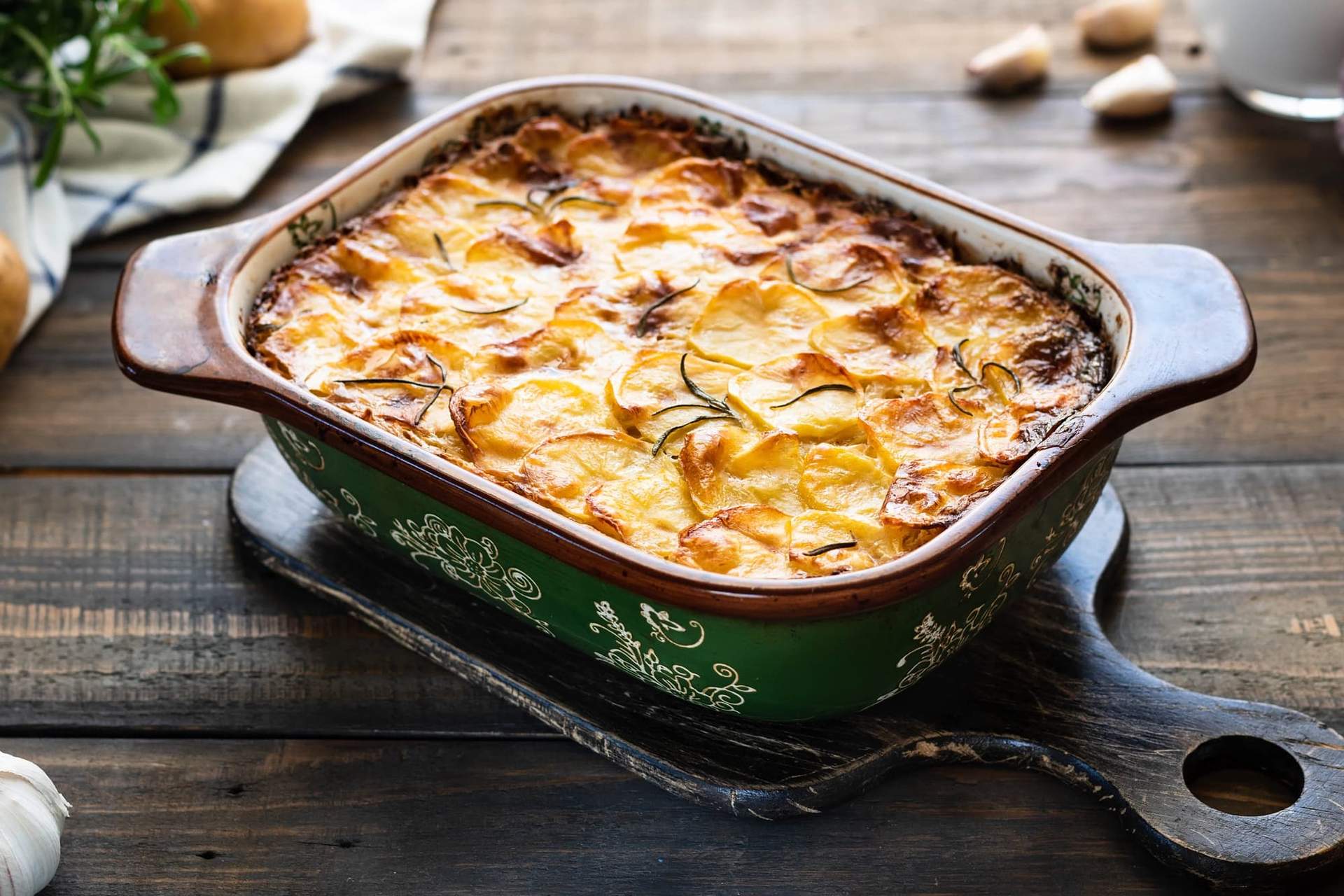
Beyond chutney: slice them thickly, dip in seasoned cornmeal and shallow fry until the outside crisps and the middle softens. Or halve them, toss with oil, garlic and chilli, and roast until they collapse into a sharp, savoury sauce for pasta. They also pickle beautifully in a simple brine with dill and garlic, ending up somewhere between a gherkin and an olive. Green tomatoes are best cooked rather than eaten raw in quantity, which is no hardship given how good they are with heat.
Why are my tomatoes still green in September?
Usually it is a combination of a late start, a cool spell at the wrong moment, and too much leafy growth competing with the fruit. Tomatoes also slow their ripening right down when temperatures drop, so plants that were productive in a warm August can simply stall — which is why moving the fruit somewhere consistently warm indoors often works better than waiting outside.
Do green tomatoes ripen faster in the dark or on a sunny windowsill?
Darkness and warmth beat a sunny windowsill almost every time, because ripening is driven by temperature and ethylene rather than by light. A sunny sill overheats one side of the fruit, leaving tough skin and uneven colour, whereas a warm cupboard shelf or a paper bag gives you an even, sweeter result.
Save a couple of the best-flavoured fruits, scoop the seeds into a jar of water for a few days, rinse and dry them on kitchen paper, and you have next year's plants for nothing — a small act of optimism to end the season on.