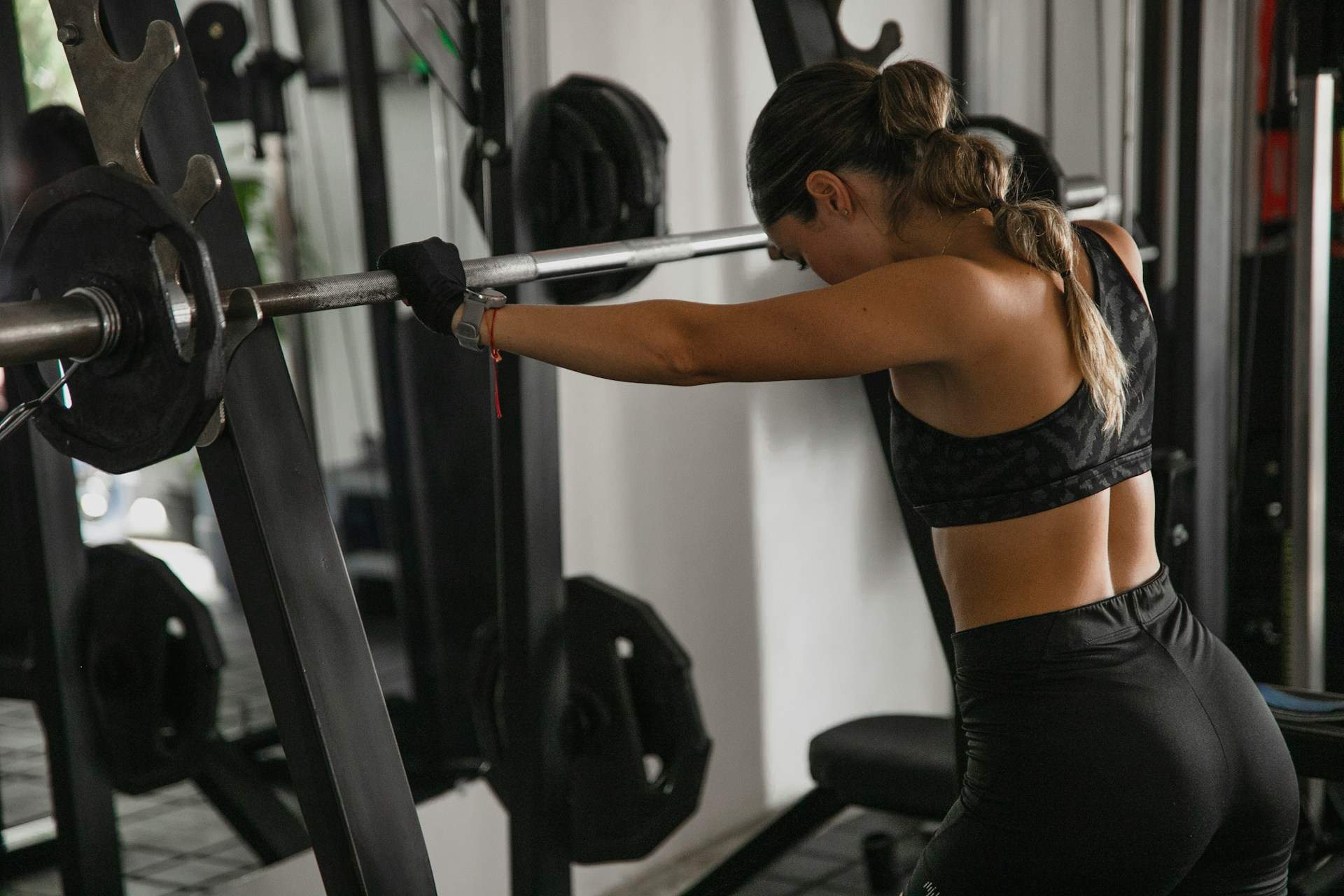
Movement has been a constant in my life for as long as I can remember. I tried many sports growing up, searching for what truly resonated with me, but somehow I always dived deep into something different.
During my last handball practice, one move changed everything: a teammate fell on me, and I ended up with a torn ligament. At the time, I didn’t realize this injury would mark the beginning of a challenging journey that would shape my relationship with health and movement for years to come.
When it became clear that icing my ankle wouldn’t be enough, I decided to quit team sports. My daughter’s dad worked abroad a lot, so I often had to manage everything alone at home. I couldn’t afford the “luxury” of being sidelined for weeks or months due to injury. No one chooses health struggles, but my circumstances made it clear that I needed to rethink my approach.
How I Found My Way to the Gym
… and surprisingly quickly, I felt at home there. Not just because my body visibly transformed in a short time, but because I finally felt fully in control. I knew my limits, when to stop, and when to push a little further. Progress was tangible, and having control was comforting.
Plus, I didn’t have to adjust to anyone else’s schedule—I worked out when I wanted and had the time, which was a breath of fresh air after team sports. I got the competitive spark I needed without worrying about unexpected moves causing injury. This phase lasted about 7 years, so it covered a significant part of my life.

However, over time, my old injury quietly changed my posture. For a long time, I didn’t take it seriously because my body “worked,” and I thought I was paying attention. Massage, cupping, stretching, a back brace, carefully performed exercises, and support from a personal trainer—I did everything I thought was right.
Switching the Gym for Physiotherapy Was a Huge Break
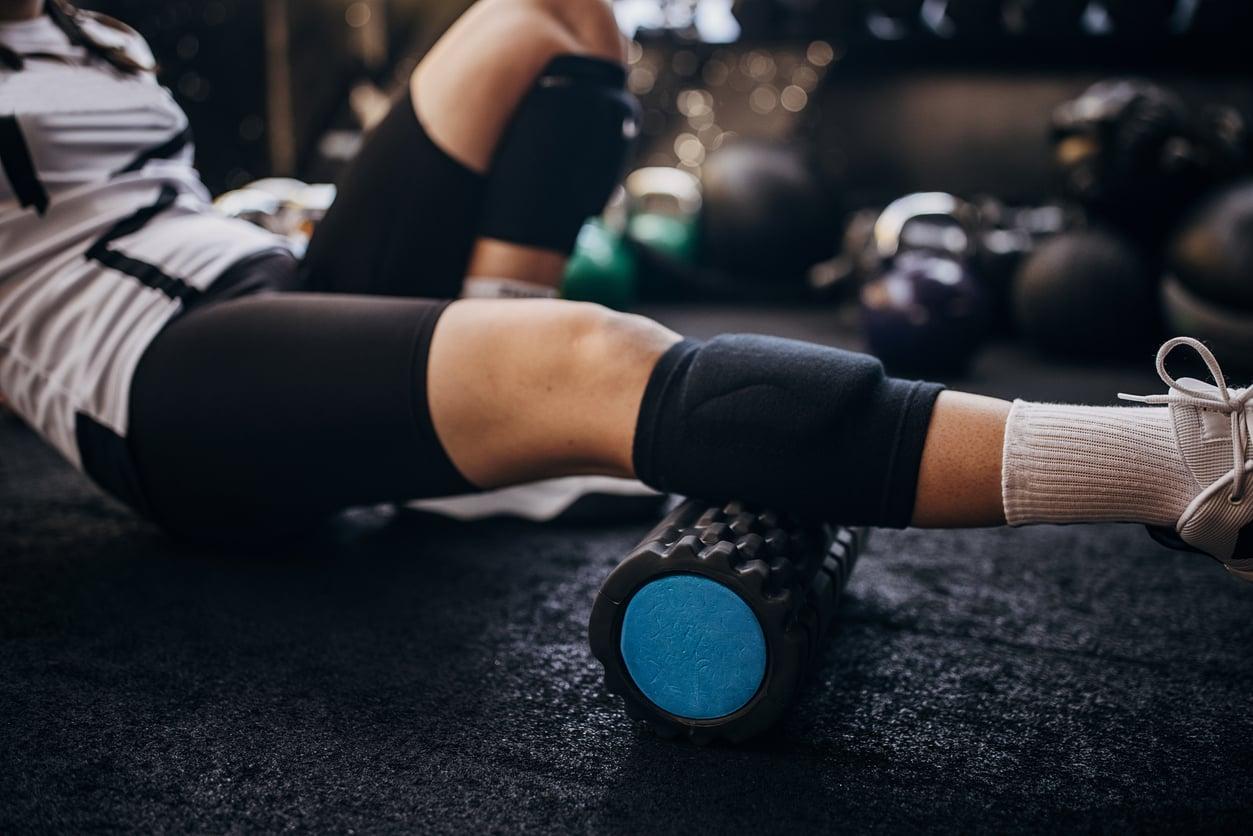
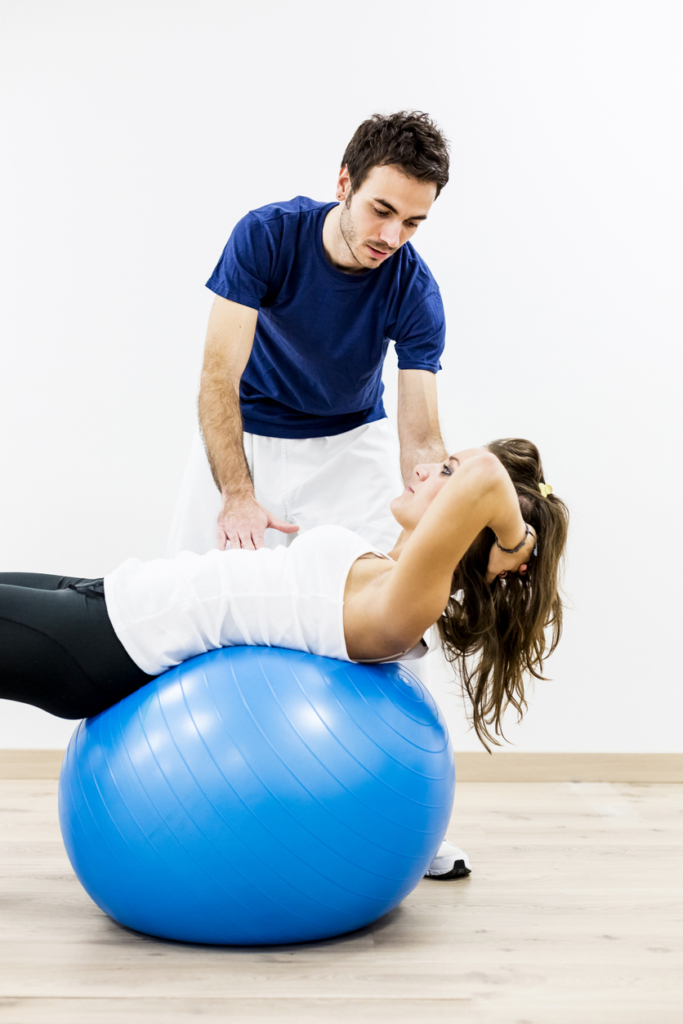
It didn’t happen overnight, but when they told me I needed this, I knew a chapter of my life was closing. I remember staring at the gym ceiling while lying on my back, trying to stretch with a small ball—even that gentle movement caused pain. It felt almost unreal that not long ago, I was lifting over 220 lbs (100 kg) without a problem.
The real turning point came when I had to set my ego aside.
My condition didn’t make it easy: I couldn’t put weight on one leg for weeks, and even minimal walking required help—surgery was unavoidable.
Every New Path Begins with a Closure
When I finally saw movement from a new perspective, I wasn’t overwhelmed by loss but by the realization that this was just a transition. A transition to a form of movement centered not on performance or appearance, but truly on my health and joy.
One autumn day, it all came together for me. The sun was shining on our terrace, so I took out my mat, played some calming music, and followed the routine my physiotherapist created for me. When I went back inside, I felt like a new person. I’d felt this freeing sensation before (especially after a tough workout), but this time it was quieter and deeper.
What Does Saying Goodbye to the Gym Mean?
To be honest, this goodbye hurts. The gym was part of my life and identity, and now, for the first time, I had to face my limits and accept that not everything can be solved by willpower alone. But this isn’t a final break—it’s a conscious choice to let go of external expectations even more next year.
I’ve always loved hiking, walking, and being in the garden, but I never really thought of those as exercise. For me, sport meant “going to a workout,” but now I’ve learned to redefine what movement means.
I’m not saying appearance will never matter again, nor that it’s wrong to move to look better. That didn’t disappear overnight for me either; it just took a backseat. The gym was an important chapter that gave me a lot, and I don’t rule out it coming back in some way. But for the months ahead, I’ll focus solely on what my body and soul truly need.