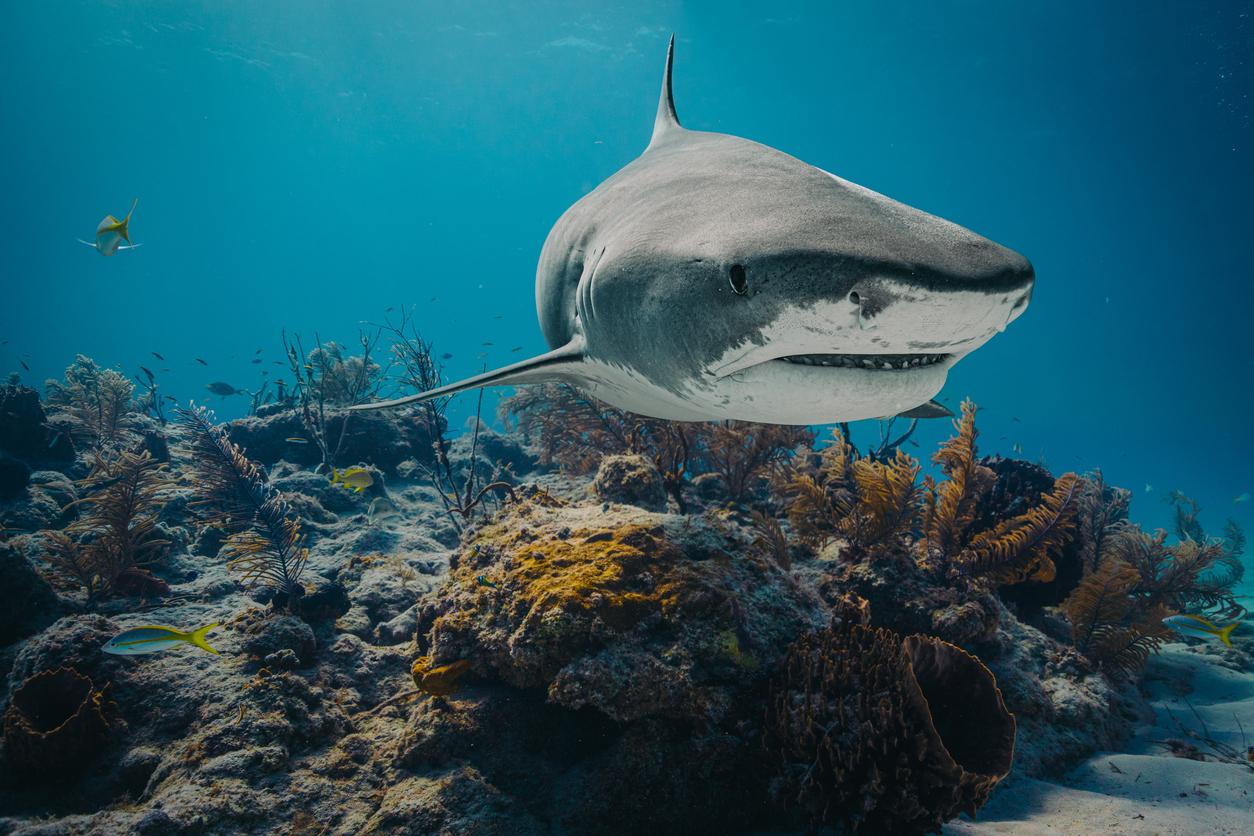
When we think of sharks and mind-altering substances, sci-fi scenes of mutant predators threatening beachgoers might come to mind. In reality, the connection is less dramatic but far more concerning: studies reveal that drug residues like cocaine and its breakdown products enter water systems, impacting marine life.
The Roots of the Problem
Human drug use doesn’t just affect users directly: when someone uses cocaine, the substance and its metabolites—like benzoylecgonine—are excreted in urine and feces, eventually reaching rivers, lakes, and oceans through wastewater systems. While the amounts are usually too low to cause immediate poisoning in humans, the ecological effects can still be significant.
Cocaine Found in Sharks
A study off the coast of Brazil found cocaine and benzoylecgonine in every sampled Brazilian sharpnose shark (Rhizoprionodon lalandii).
Surprisingly, the levels in sharks were higher than in many other aquatic animals—likely because sharks sit at the top of the food chain: they drink water but mainly feed on fish and other marine creatures directly exposed to polluted water.
It was also observed that female sharks had higher levels, and pregnant individuals showed different ratios—suggesting that these contaminants don’t just accumulate but may have biological effects.
How Could This Affect Animals?
Since research is still in early stages, we don’t yet know exactly how long-term exposure to cocaine residues might change shark behavior or reproduction. But it’s clear that marine life can be sensitive to these chemicals—low exposure doesn’t guarantee no impact.
The study also highlights that drugs should be treated as environmental pollutants: human drug use has an ecological downside, even if it sounds unusual.
For example, if sharks or other top predators change their behavior—whether in feeding, movement, or mating—it can trigger ripple effects throughout the ecosystem. If predators hunt less, prey populations can explode, affecting plants, other animals, and water quality.
What Can We Do?
Scientists say education is key: understanding that drug use affects not only users but also the environment might change how we see the issue.
Monitoring water and wastewater is also crucial. Researchers already use wastewater analysis to track drug use patterns and spot emerging substances or spikes in use. These studies help us better understand ecological impacts and guide targeted actions to protect marine life.