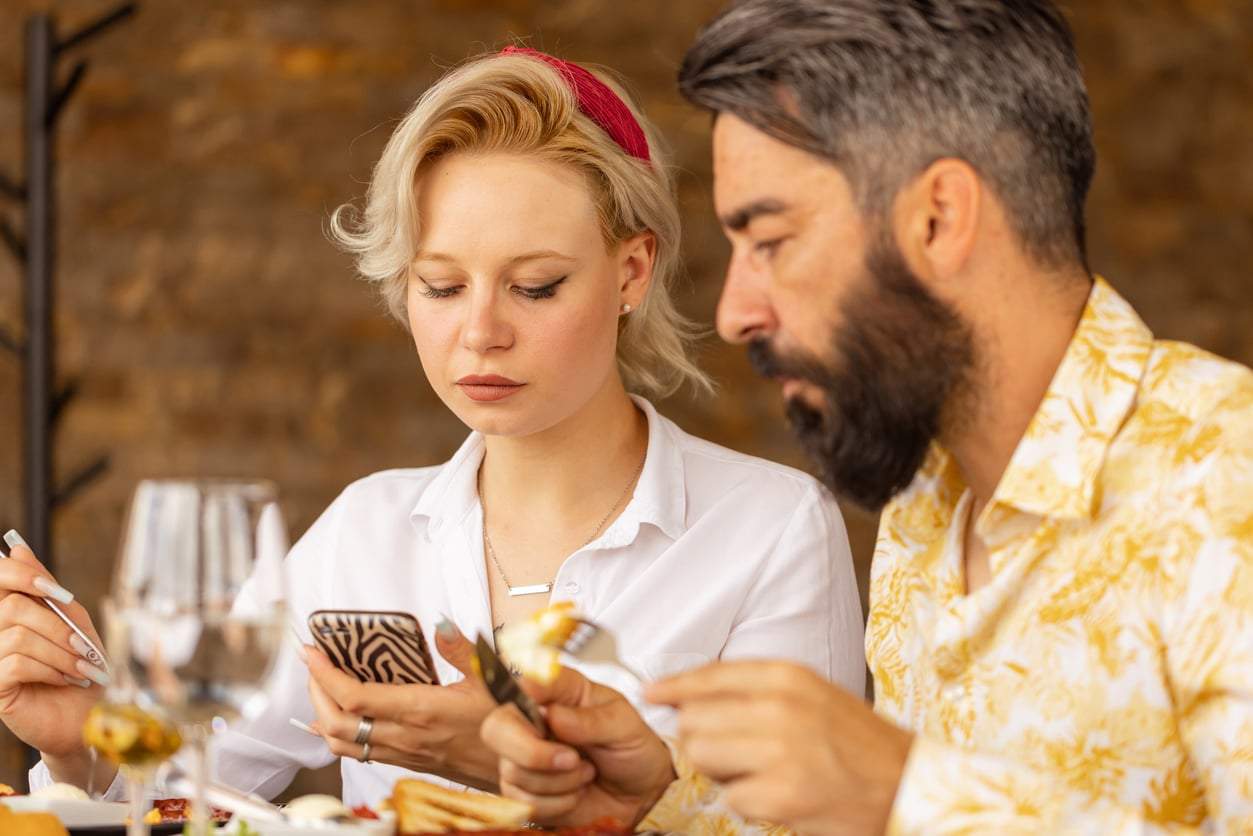
We all know that unique tension that lingers before family gatherings. We hope for a peaceful meeting, yet can’t help wondering: which comment, misunderstanding, or ill-timed conversation will upset the mood?
We’ve had our share of these moments, but at some point, we got tired of the same old story every year. Instead of cutting ties with the “difficult” family members, we drew a different line: we changed ourselves. Since learning to handle these situations differently, our holidays have been conflict-free—even though it’s clear our relatives haven’t found their peace yet.
Planning Doesn’t Steal the Good Vibes
Over the years, I’ve noticed that timing is key to holiday peace. It’s not about rushed “who’s free when” organizing, but agreeing on a time that works comfortably for everyone. This way, the host can prepare calmly, and we don’t feel awkward or rushed. Usually, we set the day weeks ahead, then nail down the exact time later.
We also mention roughly how long we can stay when we RSVP. This isn’t rude—it’s honest and helpful. Everyone knows how to prepare, manage their energy, and plan dinner or their next private plans. This simple planning routine takes away one of the biggest stressors of gatherings: the anxiety of unpredictability.
Gratitude Is the Best Mood Booster
We never go overboard, but we always bring a small token—even if we agreed on no gifts. It’s more about showing gratitude for the hospitality: a potted plant, a little treat, a nice bottle of wine…
The host senses we appreciate their effort, and that sets a warmer tone right from the start.
Christmas is full of (unnecessary) expectations and formalities, but this small gesture feels good to everyone and doesn’t obligate anyone.
Family Bickering Is Inevitable—But You Don’t Have to Engage
We have relatives who repeat the same routine every year: unnecessary remarks, low blows, unsolicited advice… We used to respond reflexively—defending, explaining, or vowing not to meet next year. Now, we let those comments slide. Not because we lack opinions or comebacks, but because we’ve learned these words aren’t really about us.
No holiday gets better by arguing.

Using humor or simply ignoring opinions changes the atmosphere. Not only do you breathe easier, but so does everyone else present. Holiday peace often comes from not taking provocations personally, knowing they’re not your battle.
Of course, there are boundaries we respect and expect others to respect too. Luckily, we only face minor frictions, but if someone crossed the line regularly or acted hurtfully or toxically, we’d firmly draw that line. Many of us do a lot to keep peace, but we don’t have to fight it at the cost of ourselves.
Peace Is Contagious: When You Create It, It Spreads
No need to wear a mask for the holidays, but it helps to wisely choose what you let into the shared space. If you can avoid politics, religion, and conflicts beyond your control, it’s easier to be genuinely present at Christmas—and less likely for conversations to spiral into fights. This doesn’t mean being superficial or hiding what’s on your mind. It’s about knowing when and where to open or close conversations.
We don’t come together at Christmas to battle, but to connect: often the greatest gift is recognizing when to set aside our own need to be right…