The beauty world and social media often promote the illusion of "perfect symmetry." TikTok videos suggest that side sleeping might distort your face. But how much truth is there to this?
What Do the Experts Say?
Dr. Yash Mehta, a plastic surgeon, and Dr. Geetika Mittal Gupta, a beauty expert, clarified in a Vogue interview that adult facial bones have already fused, so your sleeping position can’t shift or reshape them. Any slight "asymmetry" mainly comes from subtle changes in soft tissues: over time, consistent pressure on one side can make the skin looser, shift fat pads, and slow circulation — together causing small changes you might notice in the mirror.
Should You Really Worry About Your Sleeping Position?
There’s some truth to what you see in TikTok videos: the so-called "sleep wrinkles"—creases or indentations from nighttime pillow pressure—tend to appear more on the side of your face pressed against the pillow. These pressure marks become more noticeable with age, and factors like sun exposure can speed up the process or make differences more visible.
Experts also say most facial asymmetry is genetic, with everyday habits like which side you chew on or which side of your face you use more expressively playing a role.

Is Sleeping on Your Back the Solution?
Sleeping on your back is often recommended to preserve your skin’s beauty — this position reduces pressure on your face, lowering the risk of wrinkles. Many experts agree that back sleeping can help prevent skin compression and facial puffiness caused by pressure, but it won’t reverse subtle asymmetry that’s already developed.
What Else Causes Facial Asymmetry?
Even if you don’t sleep on your side, asymmetry can develop over time due to unavoidable factors like genetics and aging. Natural differences we’re born with and the changes that come with time significantly shape our facial features.
Regularly chewing on one side, frequently touching your face with the same hand, or habitually smiling more on one side can create a so-called mimic imbalance, which also contributes to facial asymmetry.
How Can You Minimize the Effect?
Our skin changes with time—that’s natural. But you can ease the effects influencing facial symmetry by switching your sleeping position and using silk or satin pillowcases. Smooth pillow surfaces reduce friction, calming skin irritation and wrinkle formation.
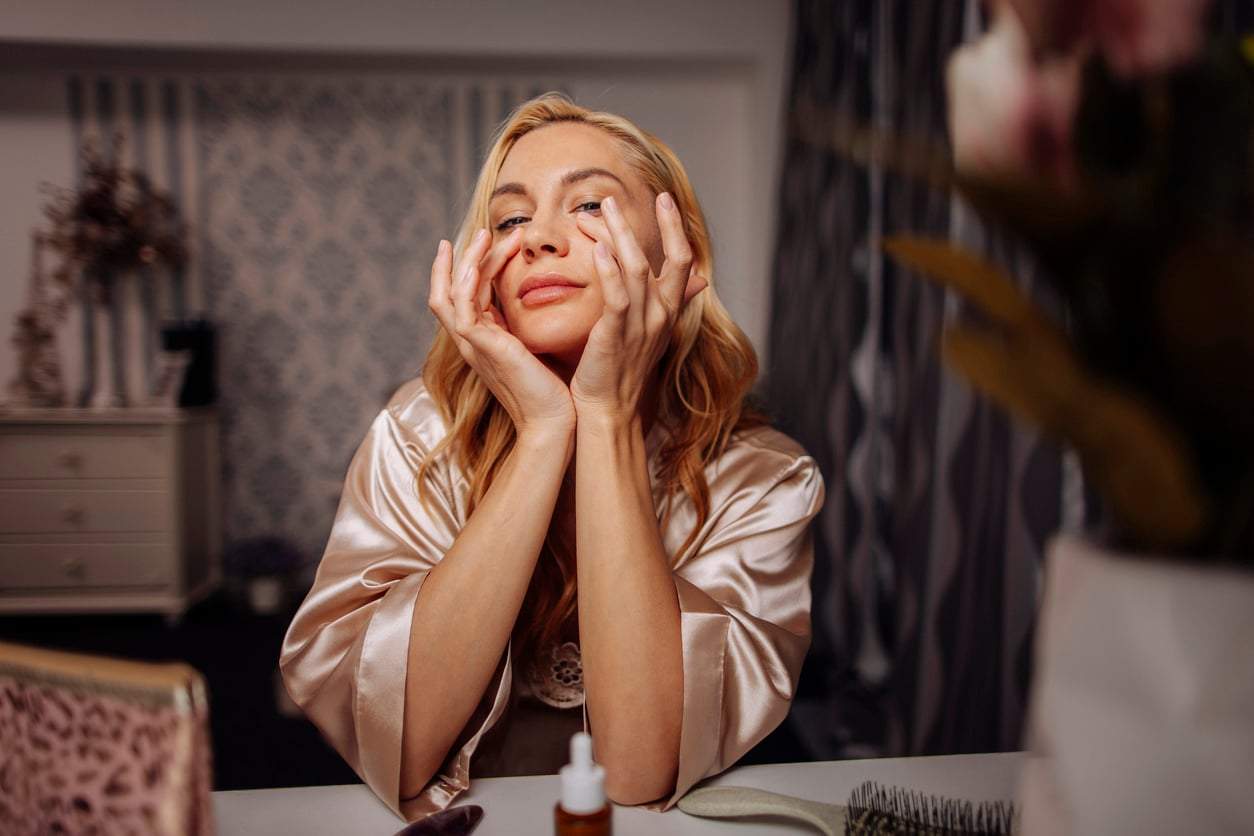
Face exercises (face yoga), gentle massages, and cosmetic treatments like Botox or fillers can help create a more harmonious look. Remember, the goal isn’t perfect symmetry but a balanced, healthy appearance.
So, side sleeping doesn’t distort your facial bone structure but can contribute over time to wrinkles and slight soft tissue unevenness. These changes mainly stem from aging, genetics, and daily habits combined.
Keep in mind: true beauty isn’t about perfect symmetry but a calm, harmonious, and healthy face. If you want to support this, start by choosing a comfortable pillow and adopting healthy skincare and lifestyle habits to keep your skin radiant long-term.