Feel free to try nail polish remover to remove the following stains, as you will likely succeed even if other cleaning agents have already given up—of course, always test cautiously on a small area of the material before applying it to a larger surface!
Adhesive Residues
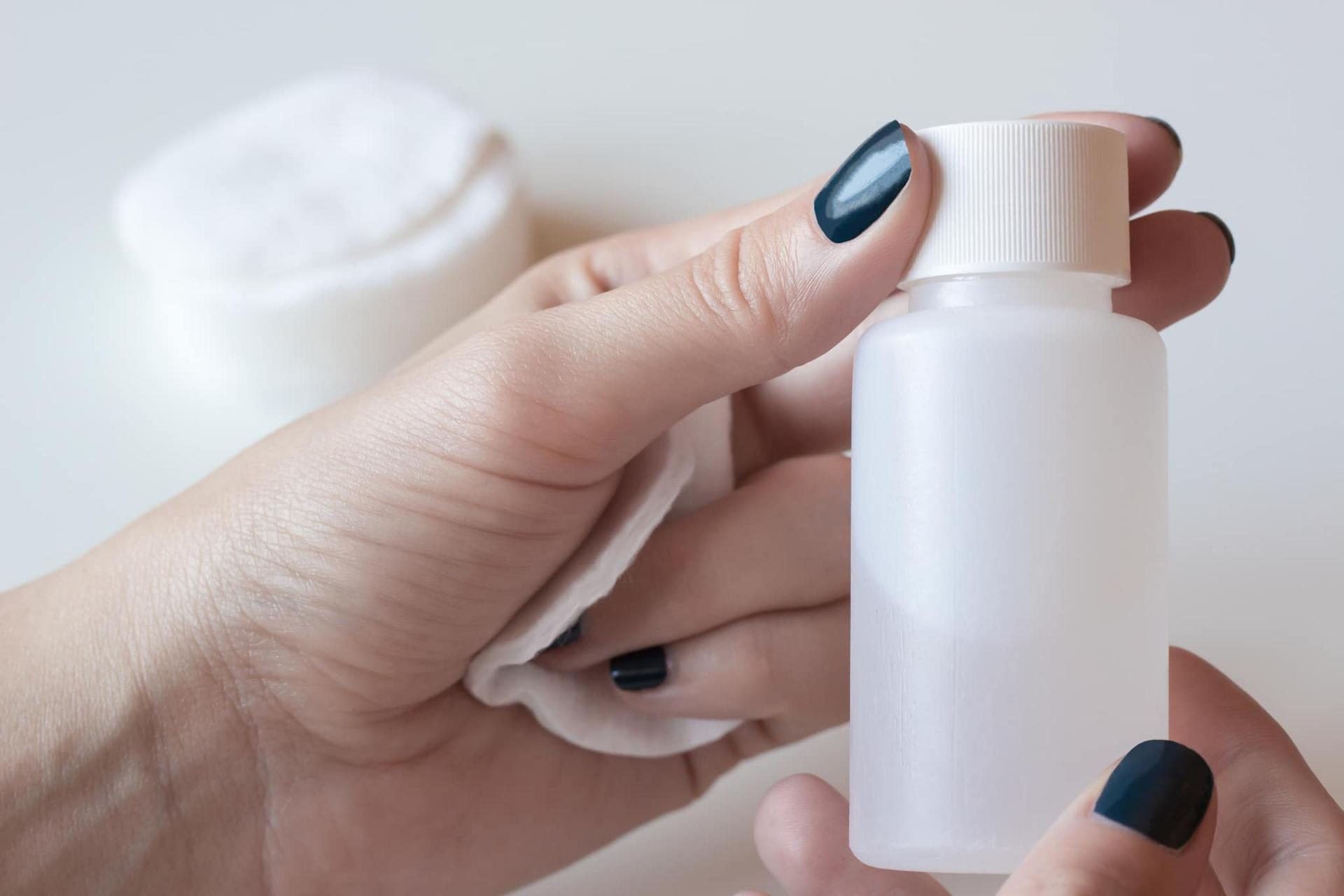
Whether it’s traces from stickers, price tags, or self-adhesive wallpapers, nail polish remover excellently dissolves adhesive residues. By dropping a small amount onto a cotton pad, you can wipe the affected surface—such as glass, metal, ceramic, or plastic—and after a few seconds, the stubborn adhesive layer will dissolve.
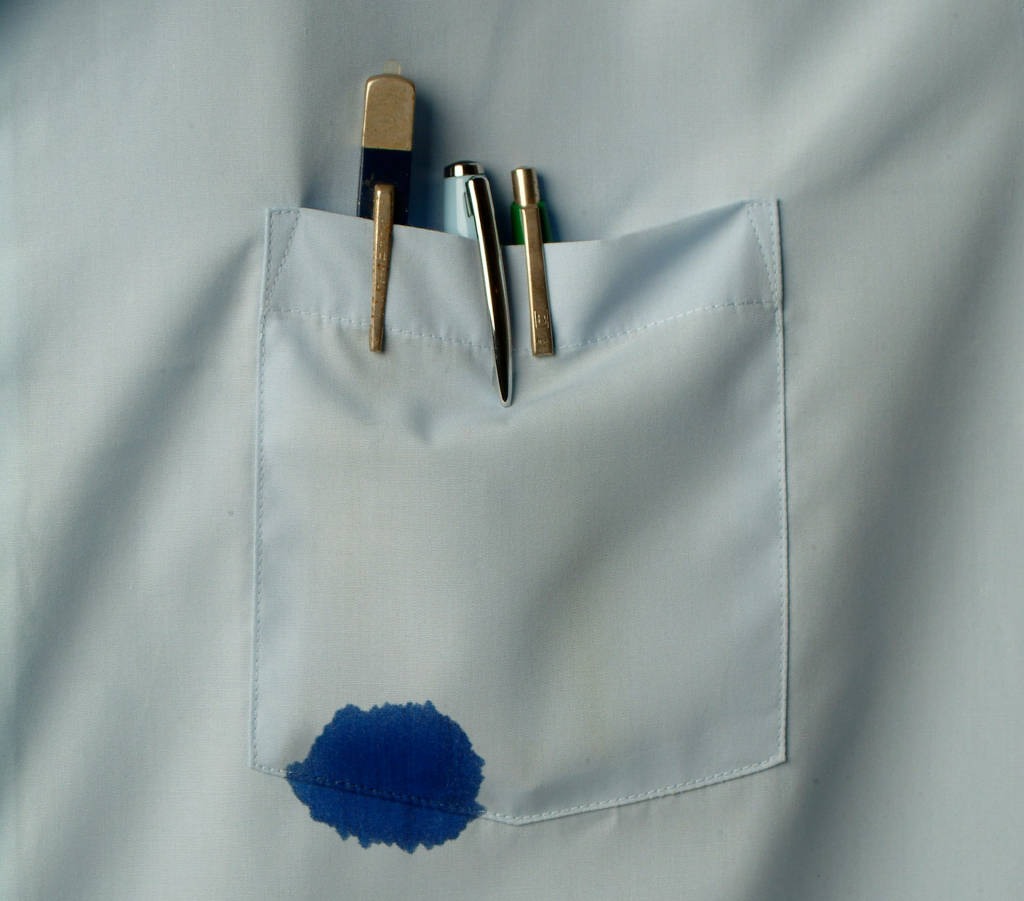
Ink and Marker Stains
Ink stains can be surprisingly well removed with acetone-based nail polish remover—especially from non-porous surfaces like plastic or laminated boards. For example, if your child accidentally (because how else?) scribbled on the tabletop with a marker, a few drops of remover and a paper towel can solve the problem. Use cautiously on textiles—always test on a less visible area first.
Crayon and Pencil Marks on Walls
Children’s drawings on the wall are a fond memory… for a while. If you don’t want to look at a wall decorated with crayon forever, you can remove the marks with a soft cloth and a few drops of acetone—especially if the wall is coated with washable paint. However, be cautious on matte surfaces, as acetone can erode the paint.
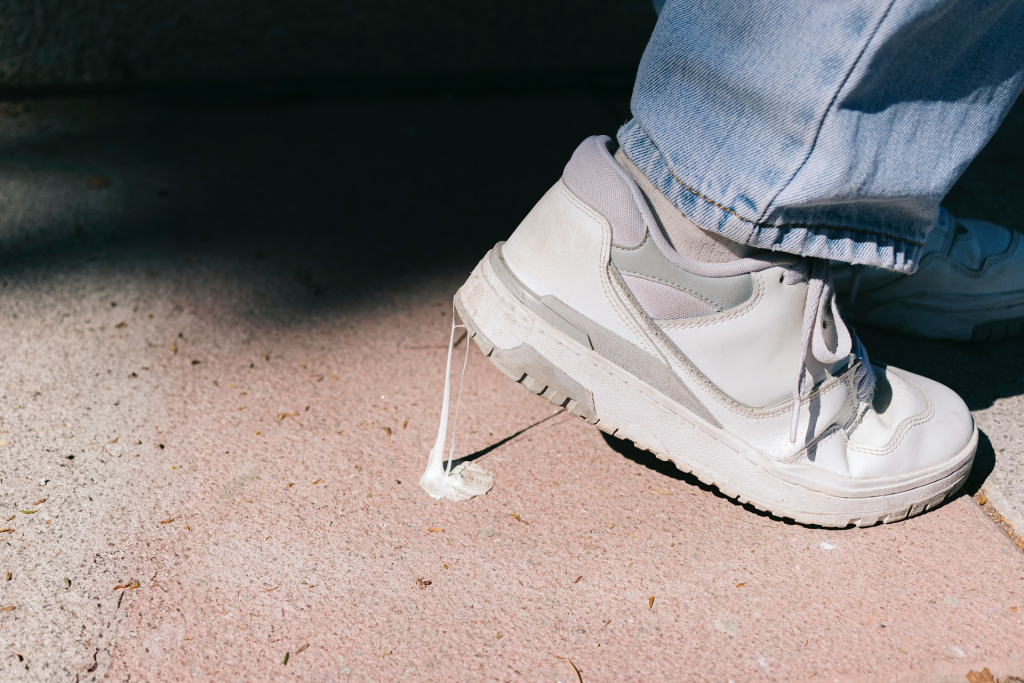
Chewing Gum and Resin
Whether it’s gum stuck on the floor or pine resin stuck on clothes, nail polish remover can help. Acetone loosens the adhesion of these substances, making them easier to remove. Pour nail polish remover onto a cloth so it soaks relatively generously, then place the cloth on the stain and let it sit for a few minutes. The chewing gum will loosen and can be easily peeled off.
Paint Stains
If a small drop of paint lands on glass, plastic, or tile, acetone-based nail polish remover offers a quick solution. Not only water-based paint but also some oil paints can be dissolved with it—of course, only to a small extent. Use cautiously on lacquered or sensitive surfaces, as acetone can damage the coating.
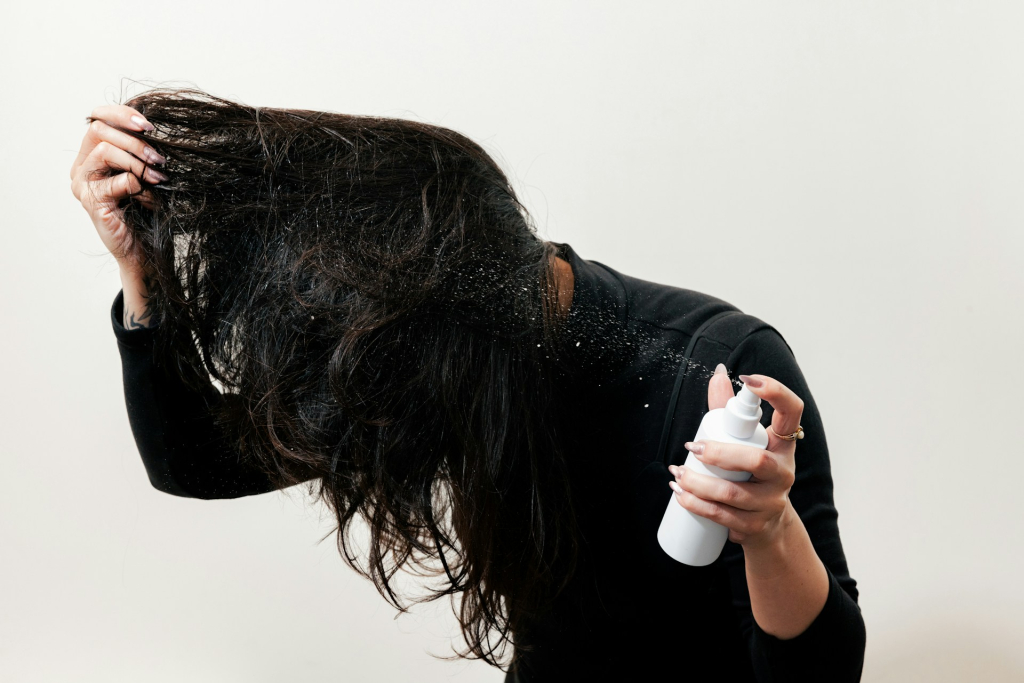
Resin Cosmetics, such as Hairspray Residues
Traces of hairspray or other cosmetics often settle on mirrors, glass, or tiles. Nail polish remover helps to quickly and streak-free remove these stubborn stains. Wiping with a cotton pad or microfiber cloth will make the surface clean and shiny again.
Usage Tips
Although nail polish remover is versatile, it is important to note that not all materials tolerate acetone well. Wood, leather, certain plastics, or lacquered surfaces may experience corrosion or dulling caused by the agent. Therefore, it is always advisable to test on a less visible area.
Also, ensure proper ventilation, as acetone evaporates strongly and can irritate the respiratory tract when inhaled. Keep it away from children and do not use near open flames.
Nail polish remover—especially the acetone variety—is a real secret weapon in the household. In everyday cleaning, we often encounter stubborn stains that usual methods cannot handle. In such cases, it’s worth taking out the nail polish remover and giving cleanliness one last chance—of course, always with caution and care.