Your window screen is one of those things you stop noticing — until the light hits it just right and you realize it's coated in a season's worth of dust, pollen, and city grime. And if you or anyone in your home suffers from allergies, that buildup isn't just an eyesore. It's a problem.
The good news? You don't need to remove the screen to get it clean. With a few basic household supplies and the right technique, it can look almost new again — in under 30 minutes.
What you'll need before you start
Gather everything first so the process goes smoothly. Here's what to have on hand:
- A vacuum cleaner with a brush attachment, or a soft-bristle duster
- A soft hand brush or paintbrush
- Mild soapy water (a few drops of dish soap in warm water)
- A sponge or microfibre cloth
- Clean warm water for rinsing
- A dry towel or absorbent cloth for drying
If your screen is removable, the job is even easier — but fixed screens clean up just as well with this method.
Step one: dry dusting first (don't skip this)
Before any water touches the screen, you need to remove the loose debris. If you skip this step, you'll just smear the dust and pollen into the mesh when you start wiping.
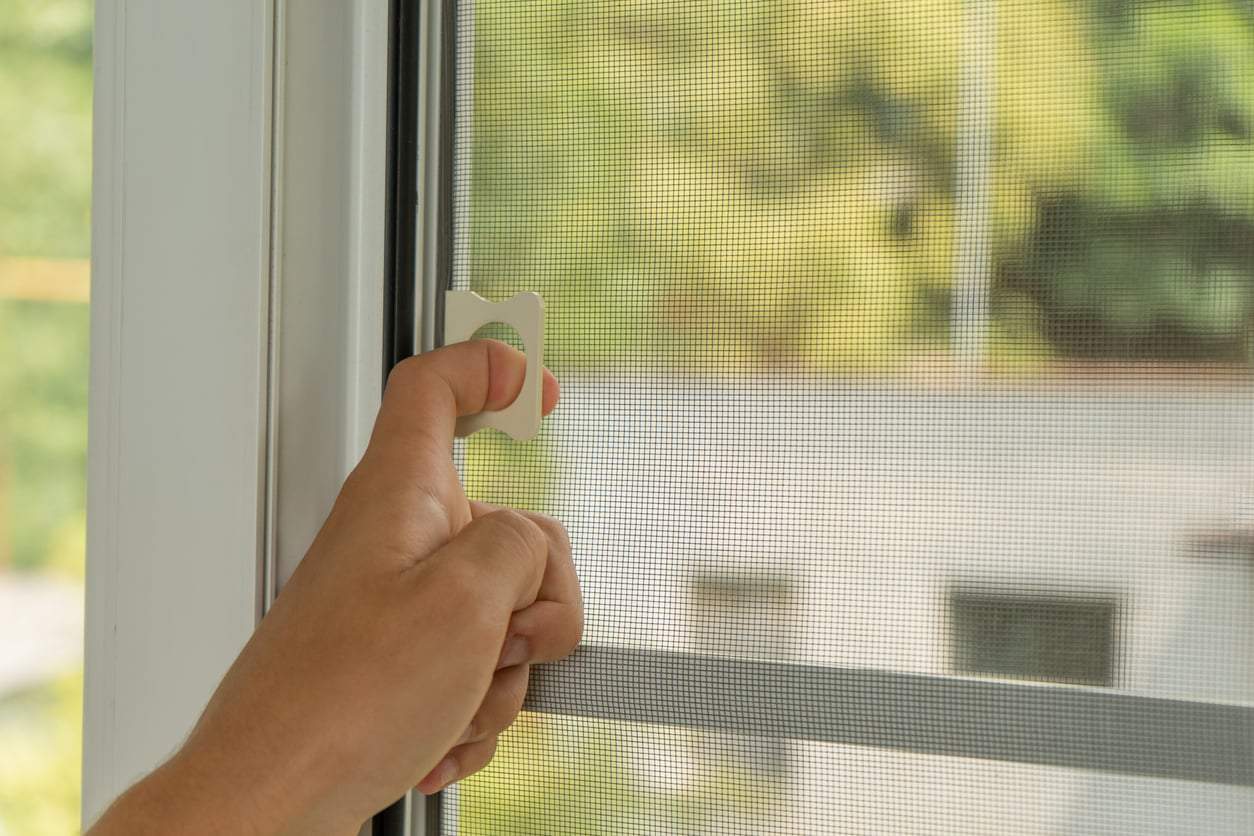
Use a vacuum with a brush head or a soft brush and work gently across both sides of the screen. Keep your strokes light — the mesh is delicate and can stretch or tear if you're too rough.
A static dust cloth is especially effective for pollen, as it attracts fine particles rather than just pushing them around.
Step two: wash away the stubborn grime
Once the dry dust is gone, it's time for a deeper clean. Mix a small amount of mild dish soap into a bowl of warm water — nothing harsh, as strong chemicals can damage the mesh material.
Dip your sponge or microfibre cloth into the soapy water, wring it out well, and gently wipe both sides of the screen. Pay extra attention to the edges where the mesh meets the frame — that's where pollen and dirt tend to collect most stubbornly.
If your screen is removable, you can soak it briefly in a bathtub of warm soapy water, then go over it lightly with a sponge before rinsing.
Step three: rinse and dry properly
After washing, always rinse the screen thoroughly with clean water. A spray bottle works well for fixed screens, or use a clean damp cloth. If the screen is removable, a gentle shower rinse does the job perfectly.
Make sure no soap residue is left behind — any remaining detergent will act like a magnet for the next round of dust and pollen.
Pat the screen dry with an absorbent towel or let it air dry. If your screen has a metal frame, don't leave it wet for too long — prolonged moisture can cause discolouration or rust.
Allergy season tip: wipe it down with diluted vinegar
During peak pollen season, add one extra step: wipe the screen down with a solution of equal parts white vinegar and water. This not only disinfects but also helps neutralize pollen particles clinging to the mesh.
Follow up with a clean water rinse and dry as usual. Vinegar is completely natural, so it's safe for your household and the environment — and it leaves no harmful residue.
How often should you clean it?
For most homes, twice a year is enough — once in spring before pollen season peaks, and once in autumn before you close up the windows for the season.
However, if you live in a city with high air pollution, or if anyone in your home has allergies or asthma, a quick monthly wipe-down with a damp cloth makes a real difference. It takes five minutes and keeps allergen levels noticeably lower indoors.
A clean window screen does more than look better. It lets in more light, improves airflow, and — especially for allergy sufferers — makes the air inside genuinely fresher. Take care of it regularly and it'll last far longer too. A little attention goes a long way.