
Bien Logo

Spray or Cream Sunscreen: Which One’s Better? It Depends on Your Skin and Patience

Nagy Emília2 min read
Share:
Spray or Cream Sunscreen: Which One’s Better? It Depends on Your Skin and Patience — Style
In this article

In today’s world, where UV exposure is a daily reality, using the right sunscreen is a must. Navigating the vast array of sun protection products can be tricky—especially since formulas and effectiveness vary between face and body options. This article helps you find the perfect sunscreen for your skin type and lifestyle, whether it’s a spray, cream, or lotion.

Why Texture Matters in Sunscreens

The first thing to consider when choosing a sunscreen is its texture. Today’s favorites include sprays, creams, and lotions—each with its own perks and challenges.

Spray sunscreens are perfect for those who value speed and ease. They let you cover your skin quickly, ideal before a summer beach walk or a day by the water.

Just be cautious—they don’t always provide even coverage, so some skin areas might stay unprotected against UV rays.

Creams: The Classic Choice

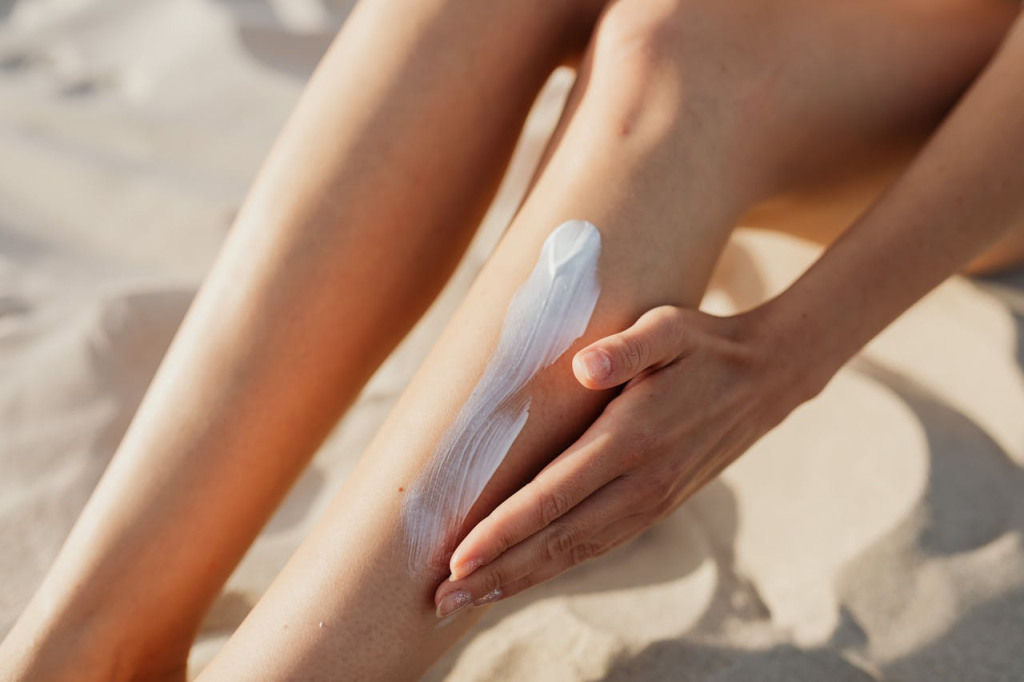
Creams and lotions represent the traditional approach, involving careful hand application. This lets you spread the product evenly, lowering the chance of sunburn. Their richer texture is especially great for dry skin, as creams often include moisturizing ingredients.

Lotion, usually lighter and less greasy, suits those with combination or oily skin by helping prevent shine. Plus, lotions absorb faster—perfect when you’re on the go.
Source: pexels.com

Skin Type & Lifestyle: How to Choose

Your skin type and lifestyle play a big role in picking the right sunscreen. If your skin is dry, creams are your friend—they’re packed with nourishing ingredients that help prevent dryness.

For oily or combination skin, lotions or lighter creams work best. Also, think about your daily activities: if you’re active or sporty, quick-absorbing, sweat-resistant formulas are a smart pick.

Face vs. Body: Different Needs

Remember, what works for your body skin might not suit your face. Facial skin is more delicate and sensitive, so face sunscreens often include hypoallergenic, non-comedogenic ingredients to prevent breakouts and irritation.

Plus, face products sometimes target specific concerns, like anti-acne ingredients or hyaluronic acid for deep hydration.


Related reads

Still using last year's sunscreen? Here's why that's a serious mistake — Style

Still using last year's sunscreen? Here's why that's a serious mistake

That leftover sunscreen from last summer might feel like a money-saver — but using expired SPF could leave your skin completely unprotected. Here's what you need to know.

Nagy Emília
4 Sunscreen Myths Dermatologists Want You to Stop Believing — Face

4 Sunscreen Myths Dermatologists Want You to Stop Believing

Think SPF 50 protects you all day? Or that sunscreen is just for the beach? Dermatologists are setting the record straight on these common myths.

Nagy Emília
Flight attendants swear by this skincare routine to stay glowing at 30,000 feet — Face

Flight attendants swear by this skincare routine to stay glowing at 30,000 feet

Flight attendants face brutal conditions for their skin at altitude. Here are the simple skincare habits that keep them looking fresh, mile after mile.

Nagy Emília
5 sunscreen mistakes almost everyone makes in summer — Face

5 sunscreen mistakes almost everyone makes in summer

Think you're applying sunscreen correctly? Most people aren't. Here are 5 common mistakes that leave your skin far less protected than you think.

Farkas Izabella
10 sunscreen mistakes almost everyone makes — and how to fix them — Health

10 sunscreen mistakes almost everyone makes — and how to fix them

You probably own an SPF product, but are you actually using it right? These 10 common sunscreen mistakes could be leaving your skin far more exposed than you think.

Nyul Debóra
Burn to a crisp on day one? 5 poolside rules fair-skinned people can't afford to skip — Health

Burn to a crisp on day one? 5 poolside rules fair-skinned people can't afford to skip

If you go lobster-red after just one hour in the sun, these five simple poolside habits could protect your skin and even your long-term health.

Farkas Izabella