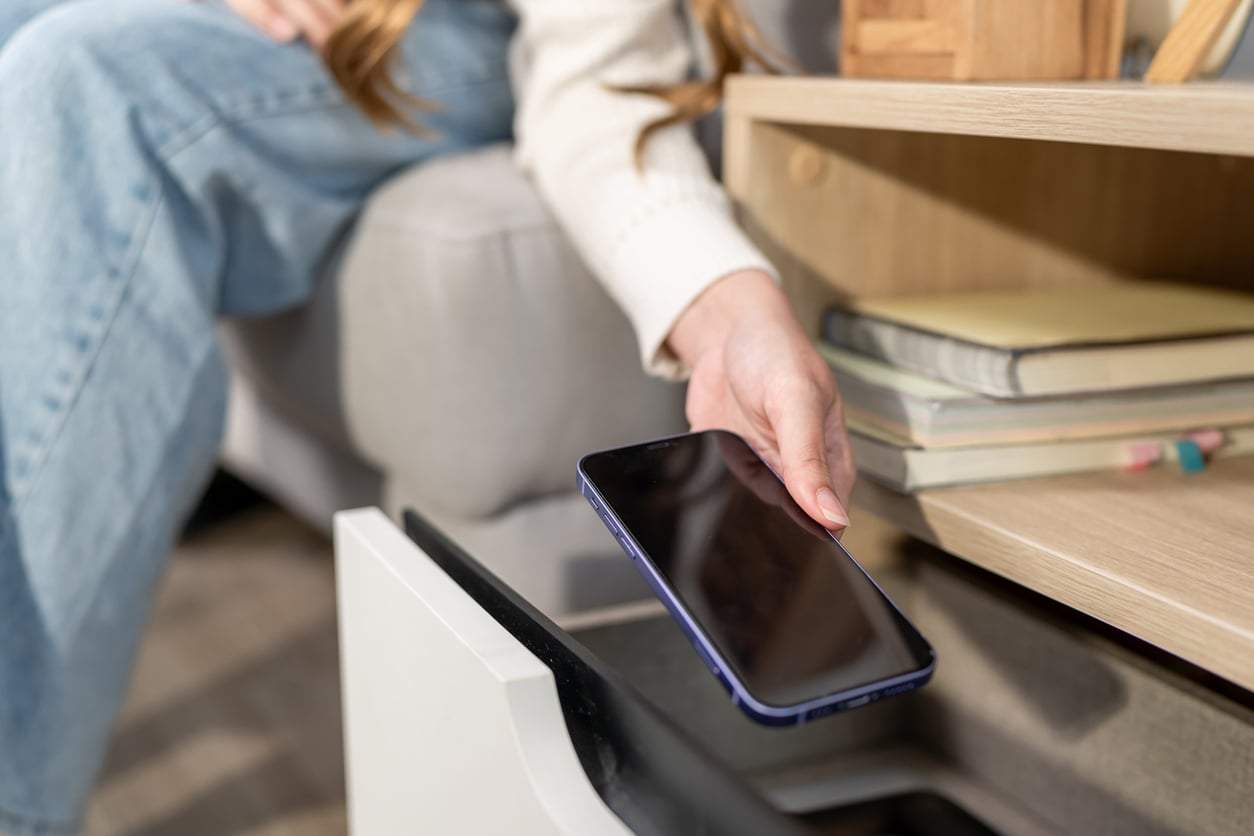
Rotate the house if you can, but accept that some people's homes don't work for it and let them contribute differently — the one who always brings pudding is participating. Put phones in a bowl or just face-down on the side; the difference in how the evening feels is immediate. And appoint whoever is hosting as the person who explains the rules, so nobody has to be the permanent teacher.
What if we don't all live in the same city anymore?
Run it anyway, with the same fixed date and a video call instead of a doorbell. Online versions of card and board games exist in abundance, and a shared quiz written by whoever's turn it is works beautifully across time zones if you keep it to an hour. The trick is to treat the remote version as the real thing rather than a sad substitute — same night, same ritual, same expectation that people show up — and to plan one in-person weekend a year that the monthly call quietly builds towards.
How do you stop one person doing all the organising?
Name the job and pass it on. Give each person a month: they pick the game, send the reminder, decide the snacks, and that's the entire remit. Most groups don't have a control freak, they have one person who filled a vacuum and is slowly resenting it. Writing the rota down somewhere visible — a shared note is enough — turns an invisible emotional task into a small, obvious, shareable one, and the person who's been carrying it gets to find out what the evening feels like when they're just a guest.