The Importance of Independence in Childhood
Parents often wonder how much and how quickly their children should gain independence. A common question in many families is until what age should parents prepare their children’s snacks or meals.
Steps to Independence: What to Teach at Each Age
You can start fostering independence early on, like letting kids pick their clothes or help with small chores alongside the family. The key is to take it step by step. Tasks should always match the child’s age and development.
Preschool Years: First Steps Toward Independence
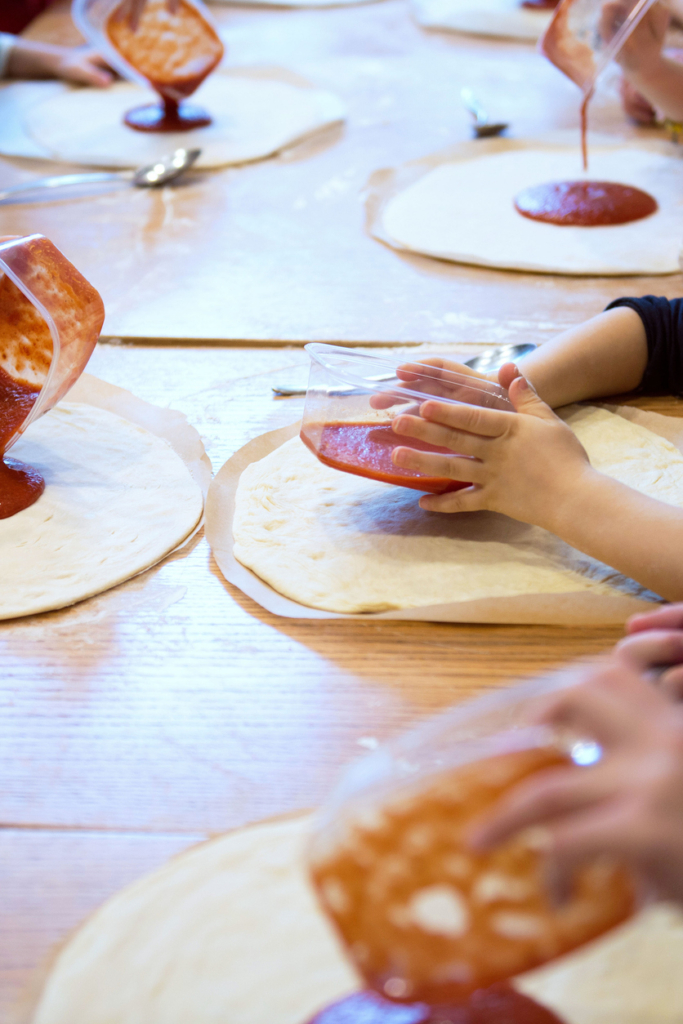
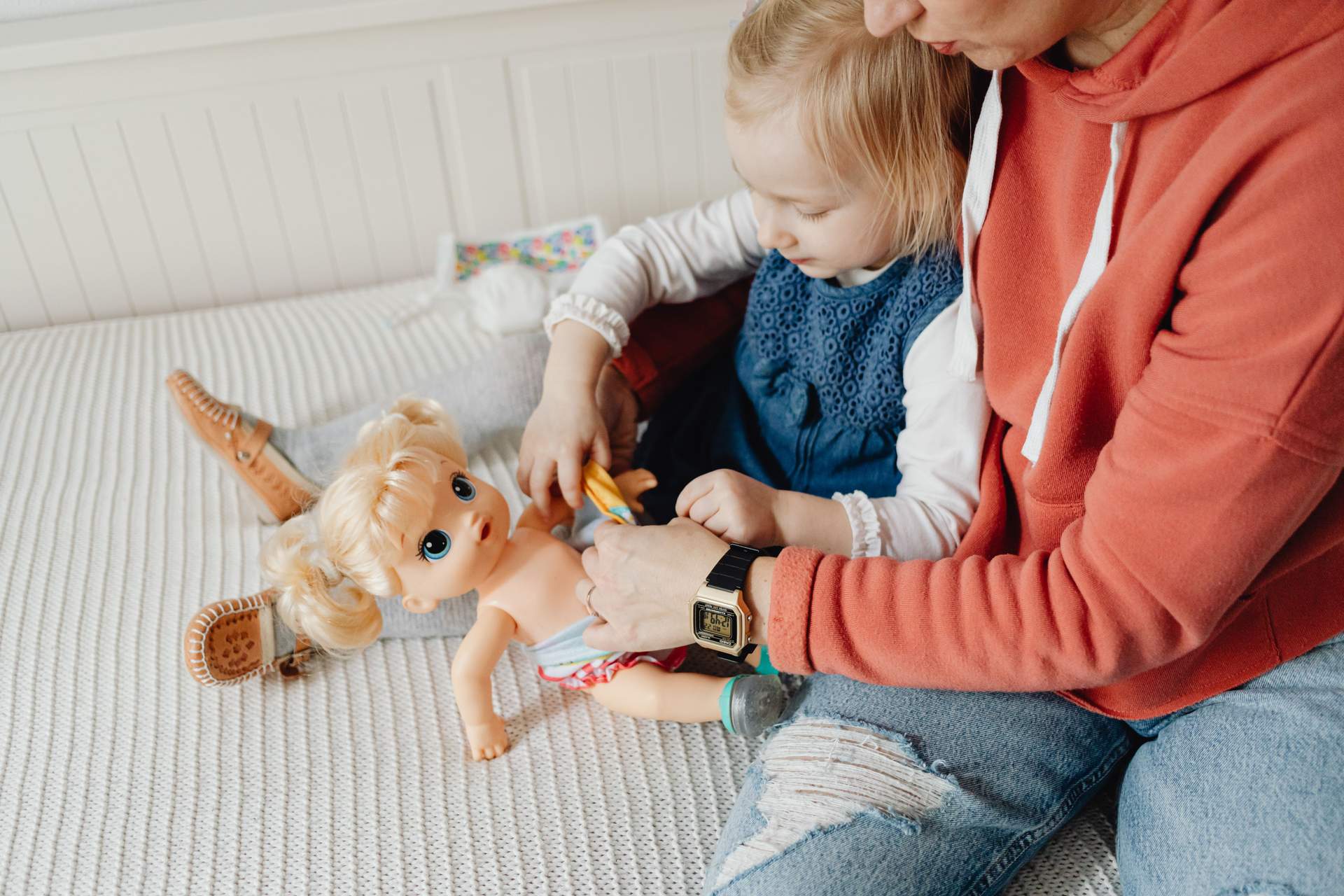
A 3-6-year-old child can handle simple tasks like organizing materials, tidying up toys at the end of the day, or choosing their own clothes. This is a great time to teach them how to prepare a simple snack—like peeling a banana or scooping yogurt.
Early School Age: Foundations of Self-Care
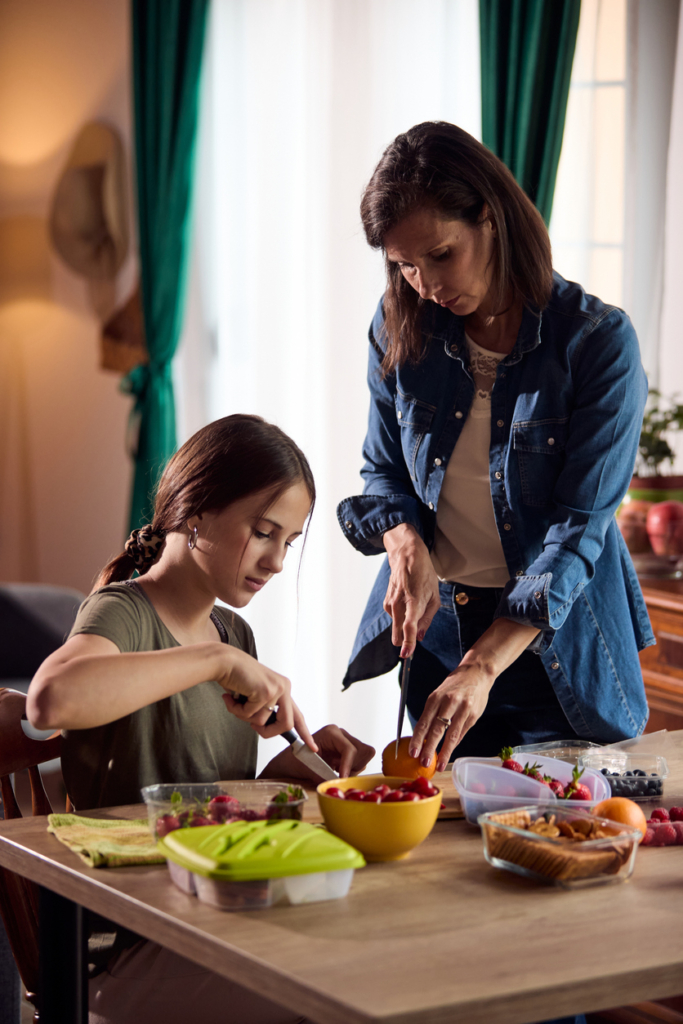
Between 6 and 12 years old, kids become noticeably more skilled. Encourage them to help with simple meal prep. Making sandwiches or chopping fruits and veggies are perfect ways to practice independence. Always use safe tools and supervise when needed.
Teen Years: Building Full Independence
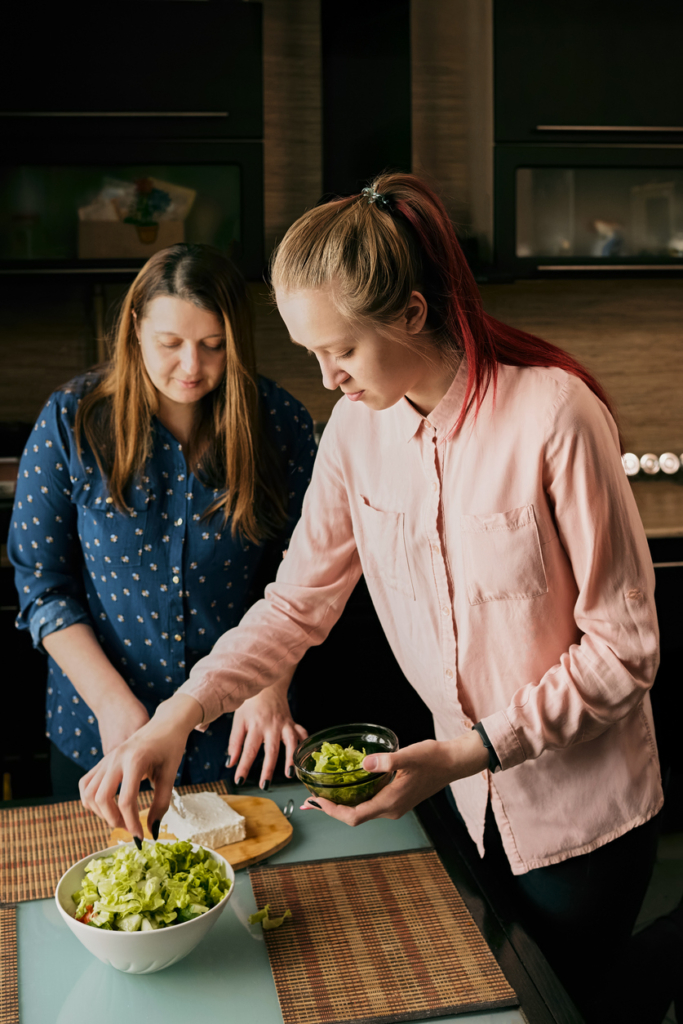
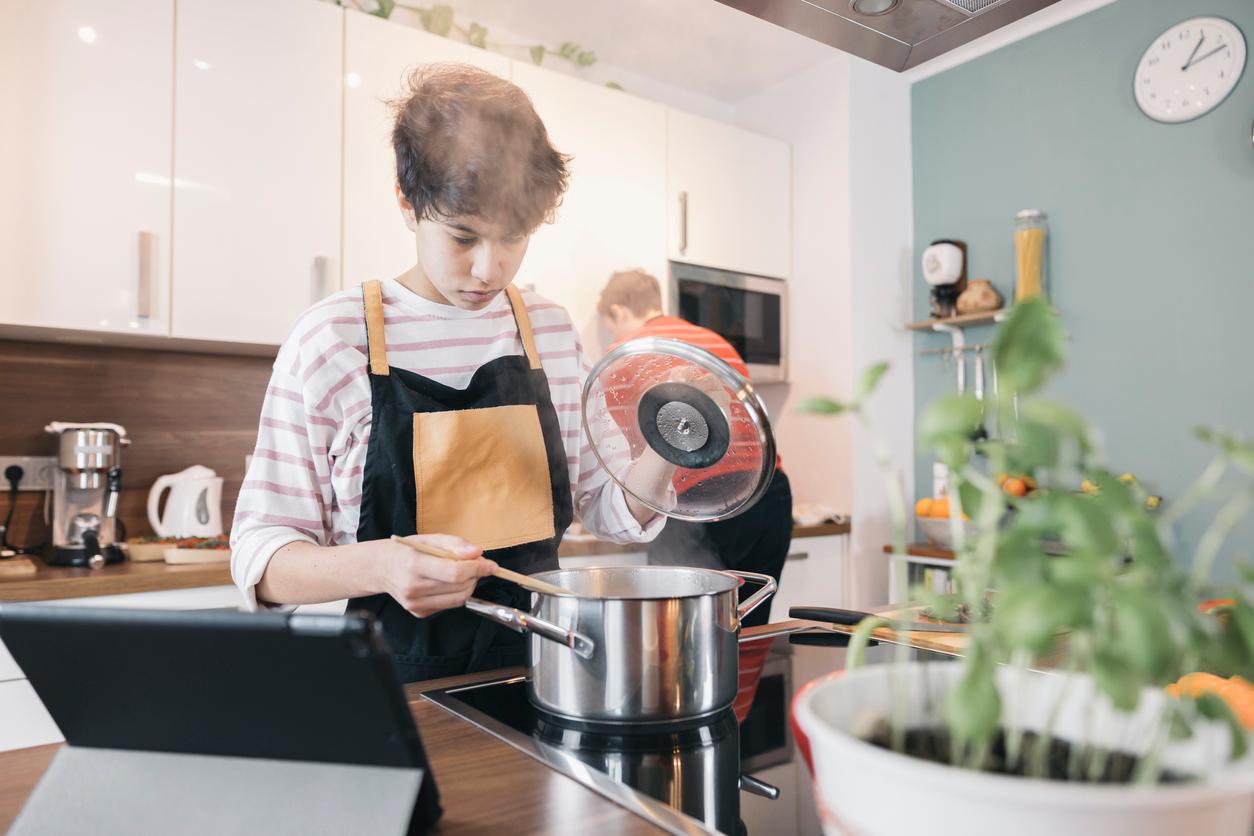
During the teen years, kids can prepare full meals and manage their daily eating independently. Cooking, baking, and using the oven become part of their learning, so by young adulthood, they’re confident in the kitchen.
When to Expect Full Independence?
By around 12 to 14 years old, children can usually be expected to prepare their own snacks completely on their own. At this stage, they’re responsible not only for choosing ingredients but also prepping them and organizing meal times. These skills improve with practice, and parents play a key role in encouraging and supporting this growth.
Tips to Encourage Independence
To help kids become independent, keep these simple tips in mind. Trust is everything:
Give children the chance to try things on their own, and if they don’t succeed at first, encourage them to try again.
Give them time and avoid rushing to do everything for them. Turn small tasks into fun challenges—like racing to make a sandwich or creating the prettiest plate. This sparks creativity and makes the process enjoyable.
Every child’s pace of independence is unique, and it’s important for parents to respect their individual growth rhythms. With care and support, you can help your child become a confident, self-reliant adult. Remember, teaching independence not only benefits your child’s future but also makes family life and daily routines smoother.