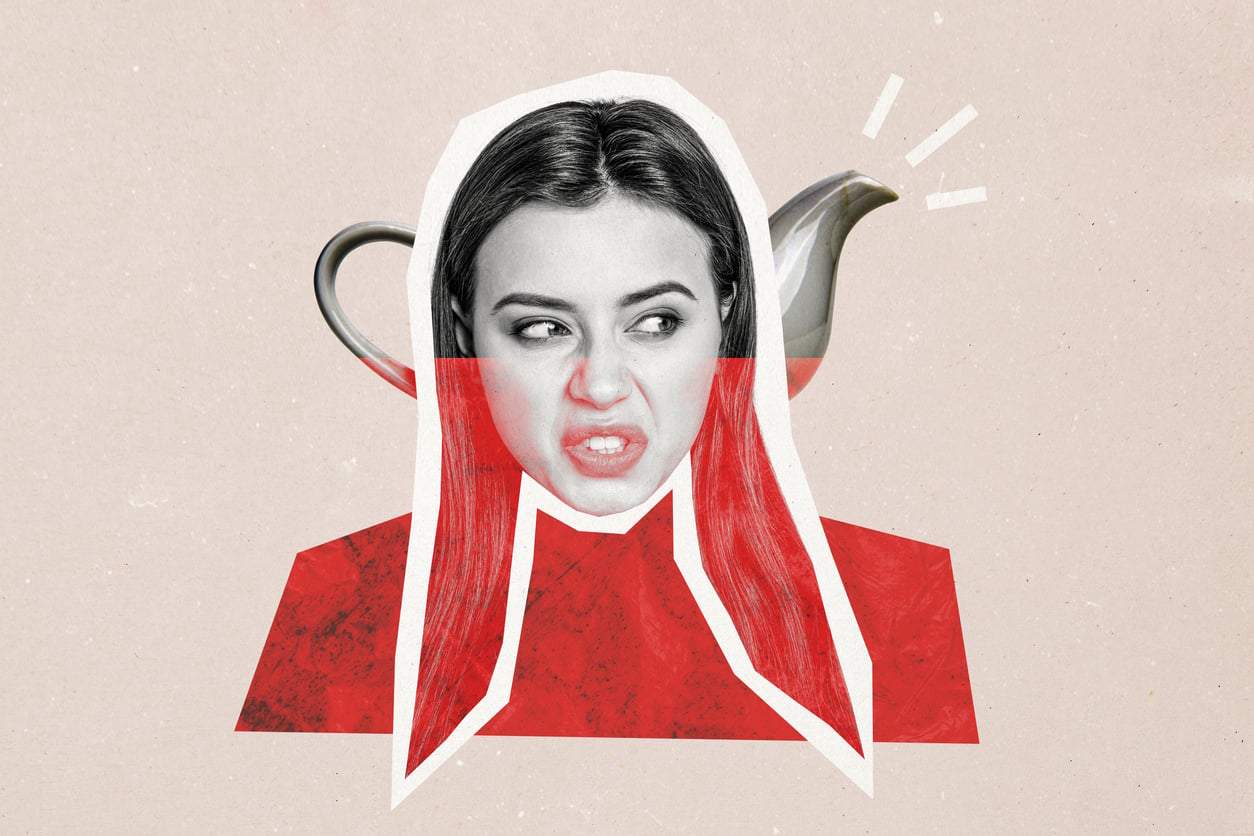
Many of us tend to take on more than we can realistically handle. The fast pace of modern life, along with work and social challenges, often leaves us feeling drained. Here are ten clear warning signs that it might be time to pause and rethink your priorities.
1. You Feel Constantly Tired
If you can’t recharge even on your days off or constantly feel exhausted, it’s a sign you’re overloading yourself. Lack of sleep and chronic fatigue don’t just affect your body—they take a toll on your mental well-being, too.
2. You’re More Irritable Than Usual
Ongoing stress and overwhelm often shorten your patience and make you easily irritated. If little things set you off, it’s worth reflecting on where you can cut back on time and energy in your life.
3. You’re Missing Social Events
Spending less time with friends and family and skipping social gatherings can signal you’re stretched too thin. Relationships are key to a balanced life—if you’re often saying no to meetups, it’s time to reconsider what really matters.

4. Increased Anxiety
Feeling anxious, especially if it’s new to you, is a clear sign that overwhelm is affecting your life. Anxiety doesn’t just impact your mind—it can show up as physical symptoms, too.
5. Declining Work Performance
Noticing a drop in focus or productivity at work? Exhaustion and taking on too much could be the cause. Lower performance can ripple into your personal life, creating more stress.
6. Neglecting Your Health
Overcommitting often means putting your health on the back burner. If you’re skipping doctor visits or ignoring health concerns, it’s time to prioritize rest and self-care.

7. Less Focus on Personal Growth
If you’re losing interest in learning new things or growing, it could mean you’re overwhelmed. Personal growth is vital—make time to nurture your passions and curiosity.
8. Strained Relationships
Taking on too much often hurts personal connections. If conflicts with loved ones increase or your relationships feel strained, it’s a sign to slow down and reconnect.
9. Neglected Hobbies and Free Time
Ignoring hobbies and downtime shows you’re overcommitted. These activities are essential for relaxation and mental health—if you’re skipping them more often, it’s time to rethink your schedule.
10. Constant Pressure to Perform
If you always feel the need to push yourself to the max instead of resting, it can lead to burnout. Give yourself permission to simply be and enjoy the moment.
Solutions and a Guide to Regain Balance
Recognizing the signs is the first step. To regain balance, start by listing your daily tasks and ranking them by importance. Let go of what’s unnecessary and learn to say “no” to things that don’t truly matter.
Also, aim for regular exercise—it boosts your physical health and helps release stress. Pay attention to nutritious eating and getting enough sleep, as these are key to maintaining mental and physical well-being.
Sometimes, seeking support from a professional like a coach or therapist can be a game-changer. An outside perspective can reveal patterns to change, making your daily life more effective and fulfilling.